
Answering the buyer’s search intent, this guide highlights practical zone valves for baseboard heating. Each pick fits typical 3/4″ or 1″ piping and offers easy installation, reliable control, and compatibility with common heating systems. Best for DIY homeowners, small retrofit projects, and tradespeople seeking straightforward replacements. The top five options below balance compatibility, durability, and ease of use. A quick buyer’s table is included for fast comparison.
| Product | Connection | Type | End Switch |
|---|---|---|---|
| V8043E1012 Zone Valve | 3/4″ Sweat | 2-Way | Yes |
| Kazeffi Motorized Zone Valve | NPT 1″ | 2-Way | 2-Wire |
| V8043e1012 Replacement for Honeywell | 3/4″ Sweat | 2-Way | 4-Wire |
| Taco Z100T2-2 Zone Valve | — | 2-Way | Yes |
| Valemo V2313-A1S Zone Valve | 3/4″ Sweat | 2-Way | Yes |
V8043E1012 Motorized Zone Valve for Honeywell

This 3/4″ sweat valve is designed as a direct replacement for many Honeywell systems. It features a 2‑wire thermostat control with an end switch and a compact brass body rated up to 250°F (121°C). The valve is positioned as a straightforward install for both residential and commercial hot water heating loops. Best for households needing a ready-to-install repair with minimal disruption.
Who it’s best for: DIY installers replacing a failing zone valve in a Honeywell-equipped system, and contractors seeking quick compatibility without extra adapters. Why selected: solid brass, high-temperature tolerance, and simple direct replacement.
Caution: Some installations may require checking end-switch wiring configuration to match the existing thermostat circuitry.
Kazeffi Motorized Zone Valve, 2 Way, 1″ NPT

Designed for 1″ piping with NPT threads, this 2‑wire, normally closed valve emphasizes quick installation and simple operation. Quality testing claims exceed 100,000 cycles, suggesting durability in long-running heating systems. Best for projects requiring a larger connection size and fast setup.
Who it’s best for: installers needing a 1″ valve with straightforward 24 VAC control and robust cycle life. Why selected: sturdy brass body, quick install, and reliable operation.
Caution: Check thread type on your system; some setups may prefer sweat or different connection standards.
V8043e1012 Zone Valve Replacement for Honeywell
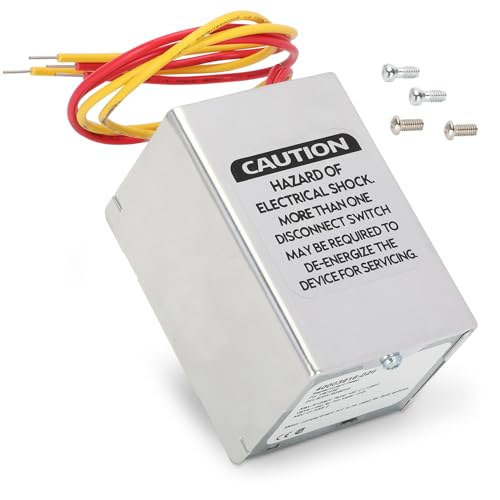
This replacement head for Honeywell V8043E series claims compatibility with multiple V8043E models and associated end-switch configurations. It emphasizes OEM-like performance and includes an installation manual and optional video guidance. Best for upgrading aging Honeywell zones without changing the entire valve assembly.
Who it’s best for: homeowners upgrading an aging valve where the base body remains sound. Why selected: broad compatibility with V8043E family, potential cost savings on full valve replacement.
Caution: Verify end-switch arrangement and lead length to ensure the new head matches existing wiring before purchase.
Taco Z100T2-2 Zone Valve

Simple to install and operate, this Taco model is designed for baseboard heating with directional flexibility. It is described as suitable for tight baseboard projects, offering reliable performance in constrained spaces. Best for installers working in compact rooms or retrofit scenarios where space is limited.
Who it’s best for: contractors or DIYers tackling tight or awkward baseboard configurations. Why selected: installation flexibility and compact design.
Caution: Check whether the valve’s flow capacity matches system demand for your specific baseboard run to avoid undersizing.
Valemo V2313-A1S Zone Valve

This 2‑way valve features a 3/4″ sweat connection with a normally closed configuration and an end switch option. The stainless steel housing and aluminum cover emphasize durability, while the FastFit design enables quick head removal for service. Best for systems that require robust construction and easy head maintenance.
Who it’s best for: users prioritizing corrosion resistance and serviceability in busy heating loops. Why selected: strong build, end-switch option, and easy head removal.
Caution: Ensure the end switch configuration aligns with your control wiring to avoid miswired operation.
Buying Guide: Zone Valves For Baseboard Heating
What to evaluate when choosing a zone valve
Connection type matters. Sweat, NPT, and threaded options fit different baseboard and boiler setups. Choose a valve with the correct size (commonly 3/4″ or 1″) to ensure proper flow.
2-Wire vs 4-Wire configurations
2-wire valves are simpler, with fewer connections, while 4-wire models include an end switch for direct integration into thermostats and controls. If your system uses an end switch, select a model with that feature to avoid additional adapters.
End switch and control compatibility
An end switch lets the valve signal when it has fully opened or closed, enabling better thermostat coordination and zone control. Verify the switch type matches your control board or thermostat wiring.
Durability and materials
Brass bodies and stainless steel housings offer corrosion resistance and longevity in hot-water heating. Consider models with robust gears and metal components for long-term reliability in busy basements or mechanical rooms.
Ease of installation
Look for valves with clear installation manuals, included mounting screws, and design features that facilitate head removal or swap without disassembling the entire valve. This reduces service time and risk of leaks.
Practical sizing guidance
Baseboard heating zones typically use 3/4″ or 1″ valves depending on loop length, flow requirements, and boiler capacity. If in doubt, consult a professional to confirm valve size and flow coefficient (Cv) for your specific loop.
Compatibility with existing systems
Check for direct compatibility with your current valve brand (e.g., Honeywell V8043E family) or confirm that a compatible replacement head exists. This helps avoid mismatched wiring or valve body issues during replacement.
FAQ
- What is a zone valve used for in baseboard heating? It controls individual heating loops by opening or closing to regulate flow in each zone, improving comfort and efficiency.
- Do all baseboard zone valves require an end switch? No. Some are 2-wire without an end switch, while others include an end switch for thermostat integration. Match the switch configuration to your control system.
- Can I replace only the valve head or the whole valve? Depending on the model, you can replace just the head in some cases or replace the entire valve assembly for compatibility with newer controls.
- What size valve should I choose for 3/4″ vs 1″ piping? Choose the valve size that matches your piping: 3/4″ for many baseboard runs, or 1″ for longer or higher-demand loops, ensuring proper flow.
- Is it necessary to hire a plumber for valve installation? Simple head replacements or standard valve swaps can be DIY if you are comfortable with basic plumbing; complex wiring or gas/boiler interactions may require a professional.
- How do I know a valve is compatible with my Honeywell system? Look for direct compatibility with the V8043E or similar Honeywell models and confirm end-switch and lead lengths align with your existing wiring.