
Looking for a window-vented propane heater to add quick warmth without running electricity or a full central system? This guide highlights five top options ideal for cabins, apartments, garages, or during power outages. Each unit is evaluated for space coverage, ease of use, and safety, so you can choose the best fit for your room size and fuel needs. The top picks include models that heat up to around 800–1,000 sq ft and offer practical venting or direct-vent features for cleaner indoor air.
Summary table of chosen products:
| Product | BTU | Best For |
|---|---|---|
| Mr. Heater 30,000 BTU Vent Free Radiant Propane Heater | 30,000 | Large living spaces, power-off capability |
| Mr. Heater 30,000 BTU Vent Free Blue Flame Propane Heater | 30,000 | Open floor plans, quick heat |
| Ashley Hearth DVAG17L Direct-Vent Wall Heater | 17,000 | Smaller spaces, off-grid or outage use |
| Ashley Hearth DVAG11L Direct-Vent Wall Heater | 11,000 | Compact rooms, energy-efficient heating |
| Rinnai EX22DTP Direct Vent Wall Furnace | 20,700 | Balanced power and efficiency |
Mr. Heater 30,000 BTU Vent Free Radiant Propane Heater
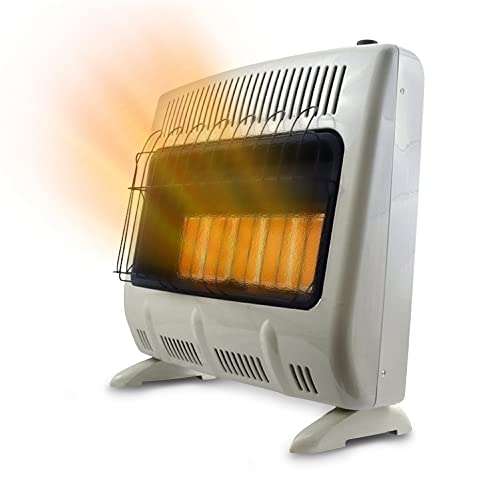
Best for open living areas where radiant heat quickly warms occupants. This vent-free unit delivers 30,000 BTU per hour and can heat up to about 1,000 sq ft. It uses a battery-operated electronic ignition, making start-up simple during outages. Best choice for rooms that need fast warmth without a venting system.
Who it’s for: larger rooms or loft spaces where instant warmth matters and where the electrical system can support a battery ignition. Caution: Vent-free heaters require proper room ventilation to maintain indoor air quality and should be used according to local codes.
Mr. Heater 30,000 BTU Vent Free Blue Flame Propane Heater

Best for fast room heating with a robust vent-free design. This model also offers 30,000 BTU per hour and heats up to 1,000 sq ft. Its built-in battery-operated ignition supports easy operation in power outages. Ideal for spaces that need quick, zone-specific warmth without ductwork.
Who it’s for: users prioritizing quick, even heat in larger rooms without electric-powered ignition. Caution: Ensure adequate ventilation in tightly sealed spaces to avoid combustion byproducts accumulating.
Ashley Hearth DVAG17L Direct-Vent Wall Heater
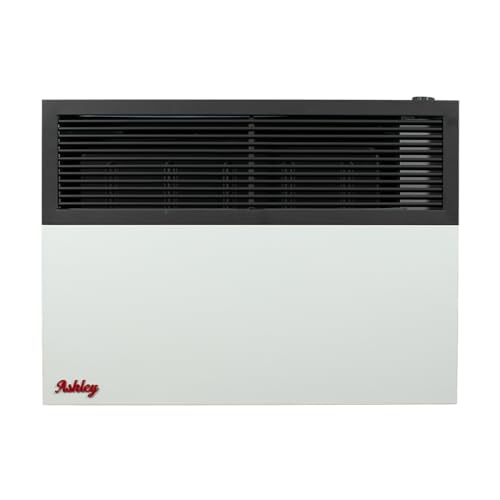
Best for mid-sized rooms and off-grid use. This 17,000 BTU direct-vent wall heater efficiently heats spaces up to 570 sq ft and can operate without electricity in some configurations, making it suitable for outages. The sealed vent system draws outdoor air for combustion and vents exhaust outdoors, promoting indoor air quality.
Who it’s for: homeowners seeking a reliable, vented option with electricity independence for moderate spaces. Caution: Direct-vent units require proper wall clearance and venting installation to ensure safe operation.
Ashley Hearth DVAG11L Direct-Vent Wall Heater

Best for compact spaces needing dependable warmth. The 11,000 BTU unit heats up to 375 sq ft and is designed for off-grid use with direct venting. It uses a sealed burn system to pull outdoor air and vent exhaust outside, helping maintain cleaner indoor air while delivering steady heat.
Who it’s for: entryways, small living rooms, or bedrooms where space is limited. Caution: Smaller heating capacity means it may take longer to reach higher temperatures in very cold areas.
Ashley Direct Vent Wall Heater Dual Fuel 25,000 BTU

Best for balanced power with dual-fuel flexibility. This 25,000 BTU direct vent unit can heat up to 825 sq ft and includes safety features like a pilot with a regulator and a quiet operation due to its stainless steel ported burner. Suitable for standard homes needing steady heat without loud operation.
Who it’s for: homeowners wanting a reliable, mid-range heater with quiet performance. Caution: Ensure the venting system is correctly installed to maintain indoor air quality.
Rinnai EX22DTP Direct Vent Wall Furnace

Best for precise temperature control in mid-to-large spaces. The 20,700 BTU unit uses direct venting and advanced modulation to reduce fuel use while minimizing cold spots. It has a cool-to-the-touch cabinet and self-diagnostic electronics for safe, predictable operation.
Who it’s for: homes needing efficient, controlled heat in living areas with emphasis on safety and energy savings. Caution: More features mean more installation considerations; professional setup is recommended for optimal venting and wiring.
Buying Guide: Key Purchase Considerations
- Vent type and fuel source: Vent-free models provide easier installation but require proper room ventilation; direct-vent units exhaust outdoors and draw outdoor air, improving indoor air quality.
- Room size and BTU needs: Match BTU output to the space. Larger rooms need higher BTUs, but beware overheating and wasted fuel in small spaces.
- Power outages and ignition: Battery or AAA/AAA battery-powered ignitions are useful during outages; consider units with reliable ignition for consistent start-up.
- Ventilation requirements: Vent-free units should be used with appropriate ventilation and according to local codes; direct-vent units usually have fewer indoor air quality concerns but require proper venting.
- Installation considerations: Some units are designed for wall mounting and may need professional install for venting, clearances, and gas connections.
- Safety features: Look for pilot shutoff, cool-to-the-touch cabinets, self-diagnostic electronics, and child safety considerations where applicable.
- Noise and operation: Some models use quiet burners; if you prioritize a quiet environment, choose units noted for silent or low-noise operation.
Frequently Asked Questions
- What is vent-free propane heating, and is it safe for indoor use?
– Vent-free heaters burn propane in a sealed combustion chamber and release heat directly into the room. They require adequate ventilation to maintain air quality and should follow local codes and manufacturer guidelines. - Can I install a direct-vent heater myself?
– Direct-vent heaters are often installed by professionals to ensure proper venting and clearances. Always follow the manufacturer’s installation instructions and local regulations. - What size room is best for a 30,000 BTU unit?
– A 30,000 BTU heater can typically heat large rooms up to about 1,000 sq ft, depending on insulation, ceiling height, and climate. - Are direct-vent models more energy-efficient than vent-free options?
– Direct-vent models can be more energy-efficient in practice due to controlled combustion and outdoor air intake, which can reduce indoor air quality concerns in tightly sealed spaces. - Should I prioritize a model with an automatic ignition in a power outage?
– Yes. An igniter that works with battery power improves reliability during outages, ensuring you can start heating quickly without electricity. - What maintenance is required for vented propane heaters?
– Regular inspection of gas connections, venting paths, and ignition components is recommended. Follow the user manual for cleaning and safety checks.