
In this guide
- Honeywell Home RTH9585WF1004 Wi‑Fi Smart Color Thermostat
- Sensi Smart Thermostat ST55
- Mysa Smart Thermostat LITE
- Honeywell Home RTH6580WF Wi‑Fi 7‑Day Programmable Thermostat
- Buying Guide: Key Purchase Considerations
- Installation and Programming Considerations
- Energy Savings Versus Features
- Security and Privacy Perspectives
Choosing a wifi-enabled thermostat can simplify climate control, boost energy efficiency, and integrate with voice assistants. This guide reviews five top options, highlighting compatibility, installation, and smart features to help you pick the right model for your home. Each product includes a quick summary of its strengths and notable capabilities so you can compare at a glance.
| Product | Brand | Energy Star | Smart Home Assistants | Notes |
|---|---|---|---|---|
| Honeywell Home RTH9585WF1004 | Honeywell Home | Yes | Alexa Ready | 7-day color touch screen; rebates available |
| Sensi Smart Thermostat ST55 | Emerson | Yes | Works With Alexa | Easy DIY install; strong privacy stance |
| Honeywell Home RTH6580WF | Honeywell Home | Not stated | Alexa, Google Assistant | 7-Day programmable; straightforward setup |
| New! Honeywell Home Smart Thermostat X2S | Honeywell Home | No explicit | Alexa, Assistant, Apple HomeKit | Conventional/Heat Pump compatible; flexible scheduling |
| meross Smart Thermostat | meross | No explicit | Amazon Alexa, Google, Home | Matters compatible; C-Wire required |
Honeywell Home RTH9585WF1004 Wi‑Fi Smart Color Thermostat
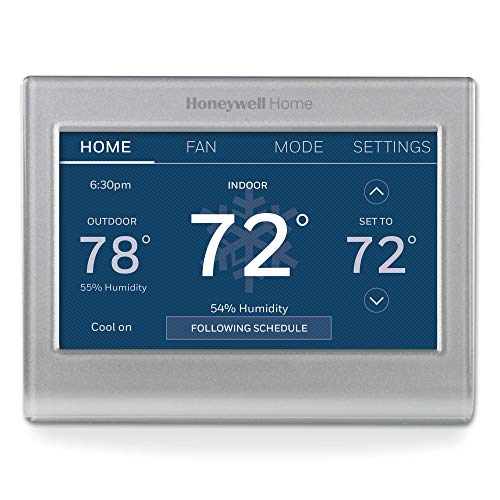
The RTH9585WF1004 blends color touchscreen convenience with Wi‑Fi control. It supports 7‑day programming and is Energy Star certified, helping homeowners manage energy use while enjoying remote access through compatible apps. The thermostat can be used with voice assistants via Alexa, and may participate in utility demand programs that reward load shifting. Its color interface allows personalizing display to fit décor, and flexible scheduling accommodates varying routines or utility peak pricing.
Sensi Smart Thermostat ST55
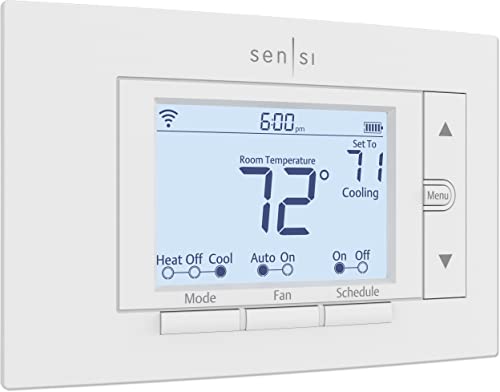
The Sensi ST55 emphasizes privacy with a commitment not to sell personal information. It’s designed for quick DIY installation and works with many standard HVAC setups; in most configurations, a C-wire isn’t required. ENERGY STAR certification highlights potential savings through flexible scheduling, remote access, and usage reports. The device aims for a straightforward setup while delivering reliable smart features and robust data protection.
Mysa Smart Thermostat LITE
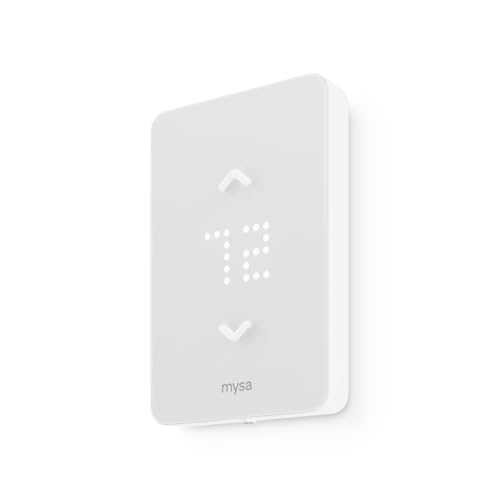
The Mysa LITE targets line‑voltage electric baseboard heaters and similar high‑voltage systems. It supports 120V to 240V, with options for single or double pole configurations in some setups. A free app provides remote control, scheduling, energy reports, and smart integrations without ongoing subscription costs. Note that it operates on 2.4 GHz Wi‑Fi and requires careful compatibility checks for your heating system.
Honeywell Home RTH6580WF Wi‑Fi 7‑Day Programmable Thermostat

The RTH6580WF offers a classic 7‑day programmable model with Wi‑Fi connectivity. It integrates with popular voice assistants and supports remote control via companion apps. Installation is generally straightforward for DIY enthusiasts, and the device is designed to work with a range of common HVAC systems. The scheduling and voice assistant compatibility provide a familiar, dependable option for smart home setups focused on routine automation.
Buying Guide: Key Purchase Considerations
When selecting a wifi thermostat for heating and cooling, consider: compatibility with your HVAC system (conventional, heat pump, line voltage, or multi‑stage), whether a C‑wire is required, and the ease of installation. Energy Star certification often signals potential savings, while app-based control and scheduling features enable remote management. Voice assistant compatibility (Alexa, Google Assistant, Apple HomeKit) adds hands-free operation. If you rent or plan to move soon, consider a model with simple DIY installation and universal compatibility. Also examine privacy policies and data handling, as some brands emphasize stronger privacy protections than others.
Installation and Programming Considerations
DIY installation reduces costs but requires careful wiring and compatibility checks. Models like Sensi ST55 emphasize straightforward installation and minimal wiring, while others may demand a C‑wire adapter or professional help for complex systems. Look for setups with clear on‑screen guidance and robust mobile apps for scheduling, energy reports, and remote control. For households with variable occupancy or peak energy pricing, a thermostat with flexible scheduling and demand response compatibility can maximize savings.
Energy Savings Versus Features
Smart thermostats balance advanced features with energy savings. ENERGY STAR certified units typically offer meaningful efficiency gains through intelligent scheduling and usage insights. Color displays, remote thermostats, and integration with home ecosystems enhance convenience but may add upfront cost. Evaluate which features deliver real value in your daily routine: remote access, energy reports, compatibility with your preferred voice assistant, and ease of use.
Security and Privacy Perspectives
Privacy‑focused models avoid selling personal data and provide clear controls for data sharing. Consider how data is stored, whether local processing is used, and the ease of revoking access for third‑party apps. If privacy is a priority, compare brands that publish explicit data practices and allow users to opt out of data sharing while still benefiting from essential thermostat functions.
In summary, the best wifi heater thermostat choice depends on your HVAC type, installation comfort, and which smart features matter most. The five reviewed options cover a range of needs—from color touchscreens and energy rebates to privacy‑first designs and line‑voltage compatibility—so you can choose a model that aligns with your home’s heating and cooling goals.