
In this guide
Answering the search intent: waste oil boilers designed for floor heating provide economical, dependable heat by repurposing used oil. This guide highlights five models suited for garages, workshops, industrial spaces, and small facilities. Each option balances fuel savings with reliable output, so you can choose based on space, power needs, and fuel flexibility.
| Product | Best For | Output Range | Fuel Compatibility |
|---|---|---|---|
| Waste Oil Burner 15 kW for Wood Stoves | Medium to large workshops needing robust heat | 15 kW | Waste oil |
| 220V 1PH Waste Oil Heater Furnace | Factories and facilities needing consistent, adjustable heat | 58-116 kW | Waste oil |
| INTSUPERMAI 220V Waste Oil Burner | Industrial furnaces needing high efficiency and flexibility | 81-174 kW | Waste oil and various fuels |
| Waste Oil Burner 25 kW | Garages and service workshops seeking strong value | 25 kW | Waste oil |
| 12V Waste Oil Burner Heater | Mobile or low-voltage setups for maintenance spaces | Compact (12V) | Waste oil |
Waste Oil Burner 15 kW for Wood Stoves
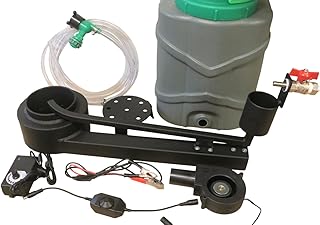
This unit is best for mid-sized workshops or garages that need solid heating with straightforward operation. It emphasizes high heat output, durable construction, and easy installation, making it suitable for facility managers prioritizing reliability and long service life. It suits buyers seeking a hands-on, durable heater that leverages waste oil to reduce fuel costs. A potential limitation is that installation may require space and planning to integrate with existing floor heating layouts. Best for: medium workplaces needing steady, powerful heat via waste oil.
220V 1PH Waste Oil Heater Furnace

Designed for larger facilities, this unit offers a broad output range and automatic ignition for ease of use. It’s best for buyers who need scalable heat across expansive spaces, with consistent internal pressure distribution to avoid hotspots. The device requires a suitable electrical setup and appropriate venting. Choose this if you manage a warehouse, factory, or service center where even heating is critical. Caution: high output requires proper ventilation and professional installation.
INTSUPERMAI 220V Waste Oil Burner

Best for facilities prioritizing energy efficiency and fuel flexibility, this burner delivers high combustion efficiency and can handle varied oil types, including poor-quality supplies. The unit features automatic ignition and temperature control, simplifying operation. It’s a solid pick for plants that want to minimize fuel costs without sacrificing reliable heat. Limitation: fuel compatibility is broad, but ongoing fuel handling safety remains essential. Best for: plants needing flexible fuel options and strong heat output.
Waste Oil Burner 25 kW for Heating
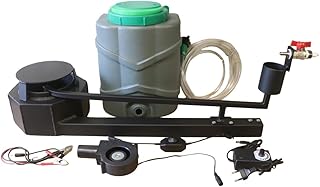
Best for workshops and facilities needing robust heating with straightforward installation, this 25 kW unit emphasizes fuel savings and durability. It’s well-suited for service bays, warehouses, and manufacturing spaces that require reliable heat with economical operation. A noted limitation is that larger spaces may require multiple units or higher-capacity models to meet peak demand. Choose this if you want a balanced mix of output and ease of maintenance.
12V Waste Oil Burner Heater

Best for mobile or small, low-voltage setups in maintenance areas or light-duty workshops, this compact 12V unit is designed for versatility and portability. It suits buyers who need a flexible, space-saving solution with waste oil reuse. Limitation: lower output means it’s not ideal for large-space heating. Choose this for temporary setups, repair bays, or rural sites needing moveable heat sources.
Buying Guide: Key Considerations For Waste Oil Heating Systems
- Space and heating load: Assess the size of your space and the required BTU/kW output. Larger areas benefit from higher output units, while compact spaces can use mid-range models.
- Fuel flexibility: Some burners handle a variety of waste oils; others are dedicated to waste oil only. Consider the consistency and availability of your fuel supply.
- Installation and venting: Floor-heat integrations may require professional installation. Ensure compatible exhaust and venting, and verify electrical requirements for 220V or 12V systems.
- Control and automation: Automatic ignition and temperature control reduce manual operation and help maintain even temperatures across spaces.
- Durability and maintenance: Look for robust materials and straightforward maintenance plans. Regular servicing prolongs life and maintains safe operation.
- Safety considerations: Proper handling of waste oils, ventilation to prevent fumes, and adherence to local codes are essential.
- Cost of ownership: Evaluate fuel savings, installation costs, and maintenance needs to understand long-term value.
Frequently Asked Questions
- What is waste oil burner heating best for? It’s best for garages, workshops, warehouses, and facilities seeking cost-effective heat using waste oil as fuel.
- Do these units require special venting? Yes, proper venting and installation are important for safe operation and compliance with codes.
- Can I use these burners for floor heating? They can be integrated with floor heating systems where designed for radiant heat, with professional setup recommended.
- Are automatic ignition models easier to use? Generally, yes. Automatic ignition and temperature control reduce manual operation and help maintain even heat.
- What maintenance is involved? Regular inspection of fuel lines, burners, and vents; cleaning of burn chambers; and checking safety shutoffs.
- Can these units burn fuels other than waste oil? Some models support multi-fuel inputs; check the product specifics for compatibility.