
When shopping for a vented gas room heater, prioritize safety, heat output, and fuel type. This guide highlights top vented options suitable for living rooms, workshops, or basements. For buyers who want gas heat with outdoor venting or sealed combustion, the featured selections cover natural gas and propane, vented and vent-free designs. The top picks suit different spaces, budgets, and power situations.
| Product | Fuel Type | BTU | Approx. Area |
|---|---|---|---|
| Mr. Heater 30,000 BTU Vent Free Blue Flame Natural Gas Heater | Natural Gas | 30,000 | Up to 1,000 sq ft |
| Mr. Heater 30,000 BTU Vent Free Radiant Natural Gas Heater | Natural Gas | 30,000 | Up to 1,000 sq ft |
| Comfort Glow 17,000 BTU Direct Vent Natural Gas Wall Heater | Natural Gas | 17,000 | Up to 500 sq ft |
| Mr. Heater 30,000 BTU Vent Free Blue Flame Propane Heater | Propane | 30,000 | Up to 1,000 sq ft |
| Ashley Hearth DVAG17L Liquid Propane Direct-Vent Wall Heater | Propane | 17,000 | Up to 570 sq ft |
Mr. Heater 30,000 BTU Vent Free Blue Flame Natural Gas Heater
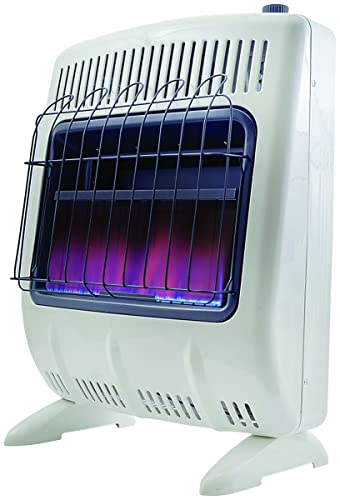
Best for large living spaces or workshops, this vent-free model delivers 30,000 BTU per hour and heats up to about 1,000 square feet. It uses a battery-operated electronic ignition for reliable starts in varying conditions. The design favors quick warmth without outdoor venting. Choose this if you need robust heat output in a space without a vented chimney, and you don’t mind room air mixing with combustion byproducts that must be vented indirectly.
Best for: medium-to-large rooms where constant heat is needed. Limitation: vent-free operation relies on proper venting in the space to avoid oxygen depletion; ensure adequate airflow and carbon monoxide safety practices.
Mr. Heater 30,000 BTU Vent Free Radiant Natural Gas Heater

Best for rooms needing steady, even warmth, this vent-free radiant heater outputs 30,000 BTU and heats up to 1,000 sq ft. The unit features a battery-powered electronic ignition for convenience. This option is ideal when fast, uniform heat distribution is a priority. Limitation: radiant models can cause localized heat concentration; position away from fragile furnishings to avoid heat damage.
Comfort Glow 17,000 BTU Direct Vent Natural Gas Wall Heater

Best for smaller rooms or apartments, this direct vent wall heater offers 17,000 BTU and heats up to 500 sq ft. It uses a sealed burn system with electronic ignition and a safety pilot with built-in pressure regulator. Choose this when you want vented operation with a compact footprint. Limitation: lower BTU than larger models, so not ideal for larger spaces or rapid heating needs.
Mr. Heater 30,000 BTU Vent Free Blue Flame Propane Heater

Best for propane users needing robust heat, this vent-free blue flame heater delivers 30,000 BTU and can warm spaces up to 1,000 sq ft. It uses a battery-operated ignition. Consider this if your home runs on propane and you want comparable heating capability to natural gas models. Caution: ensure fuel type compatibility with existing lines and local codes in your area.
Mr. Heater 20,000 BTU Vent Free Blue Flame Natural Gas Heater
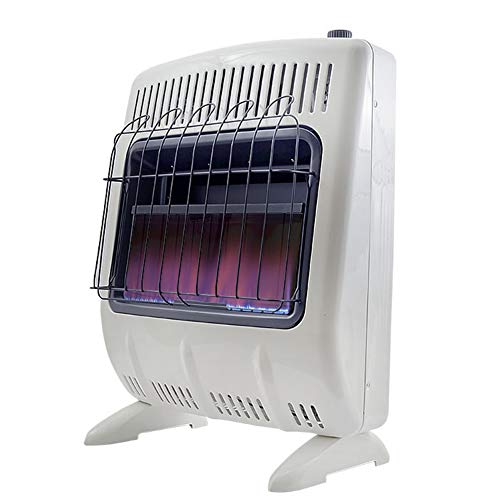
Best for smaller spaces or supplemental heat, this unit offers 20,000 BTU and heats up to 700 sq ft. It uses a battery-operated electronic ignition. Choose this if you need a lighter, more flexible vent-free option to complement central heating. Limitation: lower BTU means slower heating in larger rooms.
Ashley Direct Vent Wall Heater Dual Fuel 25,000 BTU

Best for off-grid or power-outage scenarios, this direct-vent wall heater can operate efficiently with propane, delivering up to 25,000 BTU to heat spaces up to 825 sq ft. It uses a sealed burn system and pulls in outside air for cleaner indoor air quality. Choose this if you need reliable heat during outages or prefer a sealed venting design. Limitation: not compatible with natural gas in some layouts; verify fuel compatibility.
Buying Guide
What space size should guide your choice? For large rooms up to 1,000 sq ft, choose models delivering 30,000 BTU or more. For smaller rooms, 17,000–25,000 BTU options are typically sufficient. Vent type matters: vent-free units provide quick warmth but require good room ventilation and CO safety practices; direct-vent units pull air from outside and vent outdoors, offering cleaner indoor air but often at a higher upfront cost.
Which fuel should you pick? Natural gas is common in many homes and tends to be economical; propane is ideal where natural gas isn’t available or for off-grid setups. Verify appliance compatibility with your existing gas lines and local codes. Consider ignition reliability, ease of lighting, and maintenance requirements. For safety, ensure detectors and proper ventilation are in place, and follow manufacturer recommendations on placement and clearance from combustibles.
Installation and location matters: mount or place heaters away from windows, doors, and furniture. Wall-mounted direct-vent units save floor space, while vent-free options require unobstructed air flow in the room. If power loss occurs, some models operate without electricity, but check ignition and safety features. Compare thermostat or manual heat control options to fit your comfort needs and energy goals.
Frequently Asked Questions
- Are vent-free gas heaters safe for indoor use? They can be safe when installed correctly and ventilated per instructions, with CO detectors and proper clearance. Follow manufacturer guidelines and local codes.
- Can I use a vented gas heater in a small apartment? Yes, but consider a smaller BTU model or a direct-vent design to maintain indoor air quality and ensure proper clearance.
- What is the difference between vent-free and direct-vent heaters? Vent-free units exhaust into the room, requiring adequate ventilation; direct-vent units expel combustion byproducts outdoors, pulling fresh air from outside.
- Which heater is best for power outages? Direct-vent or non-electric ignition models perform better during outages, but always verify the unit’s specific electrical requirements with the manufacturer.
- Is propane safer than natural gas for indoor heating? Both can be safe when installed properly; propane requires appropriate storage and ventilation, while natural gas availability depends on home plumbing. Follow all safety guidelines.
- How do I determine the right BTU for my space? Multiply room square footage by 20–30 BTU per square foot for a baseline, then adjust for climate, ceiling height, insulation, and desired comfort level.