
In this guide
When seeking tubular air heaters, homeowners want options that deliver quick warmth, safety, and versatile use across spaces like garages, workshops, and living areas. This guide highlights top tubular air heater models and how they compare across fuel types, heating capacity, safety features, and portability. Learn about electric, propane, kerosene, and dual-fuel options to choose a heater that fits your space and usage needs.
| Product | Brand | Fuel Type | Approx. Heating Capacity |
|---|---|---|---|
| Mr. Heater 60,000 BTU Propane | Mr. Heater | Propane | 30,000 – 60,000 BTU |
| InoKraft Maxheat MH125 | InoKraft | Propane | 125,000 BTU |
| VEVOR Kerosene Forced Air | VEVOR | Kerosene | 215,000 BTU |
| Dura Heat EUH1465 Electric | Dura Heat | Electric | 5,120 BTU (PTC) |
| Dr Infrared Heater Portable Space | DR. INFRARED HEATER | Electric | 5,200 BTU (approx.) |
Mr. Heater 60,000 BTU Forced Air Propane Heater
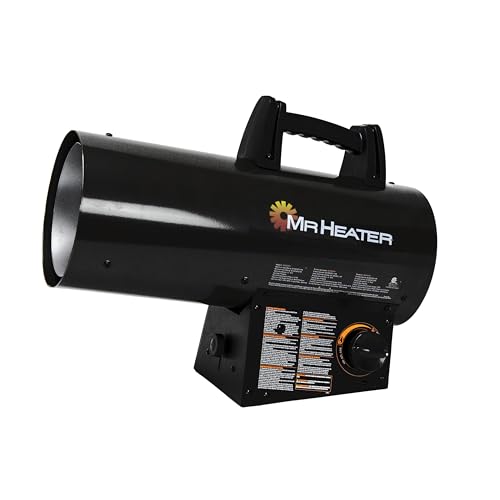
The Mr. Heater unit provides adjustable heating output across a broad BTU range, suitable for workshops, garages, and space-rich environments. The model includes a 10 ft hose and regulator for flexible setup and a large glove-friendly handle for easy transport. Its broad heat capacity supports larger spaces, while on-demand operation helps conserve fuel when heating needs are modest. Safety features and build quality align with typical professional-grade propane heaters, making it a practical tubular heating option for semi-permanent setups.
InoKraft Maxheat MH125 125,000 BTU Heater

With a robust 125,000 BTU output, the InoKraft Maxheat is designed for large garages and job sites. It features a smart Auto On/OFF control adjustable between 25°F and 95°F and offers a wide heat distribution. The unit emphasizes safety with multi-protection features and low-noise operation, making it suitable for prolonged use in busy environments. Its portability and wide heating radius are beneficial for contractors and homeowners needing rapid space warming.
VEVOR Kerosene Forced Air Heater

VEVOR’s 215,000 BTU kerosene heater is designed for expansive spaces needing rapid, high-output warmth. It supports both kerosene and diesel fuels, with a thermostat and room temperature display for energy-conscious operation. The unit is suited for large workshops or barns where continuous heat is essential. Built-in safeguards like overheat protection and dual fuel filters help maintain a safer, cleaner burn.
Dura Heat EUH1465 Electric Forced Air Heater
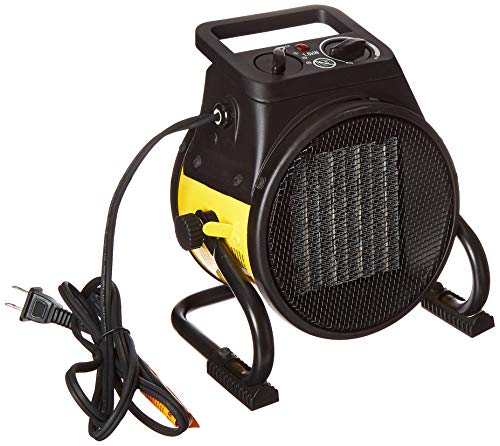
This electric forced-air heater delivers 1500W of PTC ceramic heating for quick warmth in smaller spaces. A rugged steel construction suits garages and workshops, while heat and fan-only options provide flexible use. The stainless steel-like durability makes it a reliable tubular option for indoor climate control and portable space warming without combustion by-products.
Mr. Heater F260560 Big Maxx MHU80NG Unit Heater
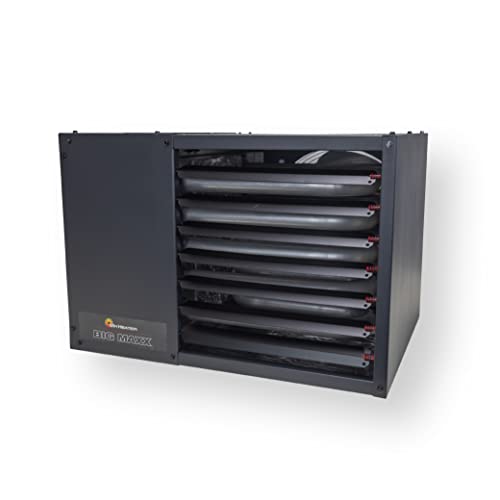
The Big Maxx MHU80NG natural gas unit heater provides a robust 80,000 BTU output for larger spaces. It is designed for vented installation and requires appropriate clearances and venting compatibility. This tubular heater suits commercial spaces that demand consistent, high-capacity warming with integrated gas-fired performance. It is important to ensure proper installation and ventilation per local codes.
Dr Infrared Heater Portable Space Heater

The Dr Infrared Heater combines infrared quartz heating with a ceramic element to deliver efficient warmth for medium-to-large rooms. It includes a dual heating system and a timer for extended operation. This model emphasizes energy efficiency, quiet operation, and remote control convenience, making it a practical choice for indoor spaces where direct heating and controlled warmth are desired.
Buying Guide: Key Purchase Considerations
- Space and heating load: Assess the square footage and ceiling height of the area to be heated. Select BTU ratings or watts that align with the space and insulation level to avoid oversizing or undersizing the unit.
- Fuel type and availability: Propane, kerosene, and electric heaters differ in fuel availability, storage needs, and ongoing costs. Electric models are generally easier to use indoors with fewer ventilation requirements, while gas and kerosene units require proper ventilation and fuel handling.
- Ventilation and safety: Check for overheat protection, tip-over switches, and automatic shut-offs. For gas and kerosene heaters, ensure proper venting and carbon monoxide considerations. For electric units, verify cool-to-touch surfaces for child- and pet-friendly environments.
- Portability vs. fixed installation: Determine whether you need a portable unit for temporary heating or a fixed installation for long-term space warming. Portability favors lightweight, compact designs with handles, while fixed units focus on higher BTU output and venting compatibility.
- Fuel efficiency and operating costs: Compare fuel efficiency (where applicable) and running costs. Thermostat control and auto-on/off features can help maintain comfort while reducing energy use.
- Safety certifications: Look for CSA, UL, or ETL listings, and verify that units meet local building and ventilation codes. This is especially important for larger or garage-installed heaters.
- Maintenance needs: Consider filter access, fuel filters, and sensor reliability. Easier maintenance extends the life of the heater and maintains efficiency over time.