
Direct vent through-wall propane heaters offer safe, targeted warmth for living spaces, bedrooms, and smaller homes. This guide highlights five propane wall heaters that balance heat output, safety, and ease of installation. Best for: small apartments, modular homes, bedrooms, and spaces where venting is a consideration. The table below compares core specs to help you choose quickly.
| Product | BTU | Approx. Area | Best For |
|---|---|---|---|
| Ashley Hearth Products Direct Vent Propane Wall Heater | 17,000 | Up to 570 sq ft | Medium to large rooms needing steady heat |
| Ashley Hearth Direct Vent Liquid Propane Wall Heater | 11,000 | Up to 375 sq ft | Compact living spaces |
| Comfort Glow Direct Vent Propane Wall Heater | 8,000 | Up to 250 sq ft | Smaller rooms, compact setups |
| Comfort Glow 11,000 BTU Direct Vent Liquid Propane | 11,000 | Up to 350 sq ft | Balanced size and warmth |
| Ashley Direct Vent Wall Heater Dual Fuel 25,000 BTU | 25,000 | Up to 825 sq ft | Larger spaces, multi-use homes |
Ashley Direct Vent Propane Wall Heater — 17,000 BTU
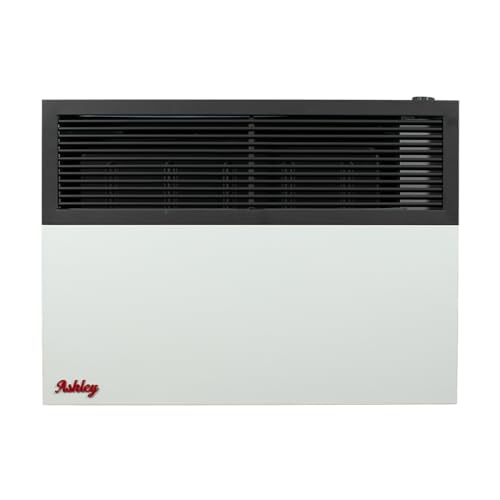
Features a direct vent system designed to heat up to 570 sq ft with a sealed burn system for clean indoor air. A matchless Piezo lighting option and a heavy-duty build support reliable, quieter operation. The safety pilot and built-in regulator help shut off gas if the pilot goes out.
Best for: Medium to large rooms in homes or modular spaces where constant heat with quiet operation is desired. Limitations: 17,000 BTU may be more heat than needed for very small spaces.
Ashley Hearth Direct Vent Liquid Propane Wall Heater — 11,000 BTU

Direct vent design with a 11,000 BTU output, suitable for spaces up to 375 sq ft. Features a safety pilot with a built-in regulator to stop gas flow if the pilot is extinguished. This unit is best for bedroom or compact living spaces where efficient air quality is important.
Best for: Smaller rooms where quiet and consistent warmth is desired. Limitation: Lower BTU capacity than larger models may require longer heating cycles in colder climates.
Comfort Glow Direct Vent Propane Wall Heater — 8,000 BTU

Compact 8,000 BTU heater suitable for smaller rooms or as a supplementary heat source. It uses a sealed burn system with a Matchless Piezo Ignition and a built-in regulator to ensure safe operation. Wall mounting saves floor space.
Best for: Extra heat in bedrooms or offices without consuming much wall space. Limitation: Lower heat output may not meet needs in larger rooms or very cold climates.
Comfort Glow 11,000 BTU Direct Vent — Gray
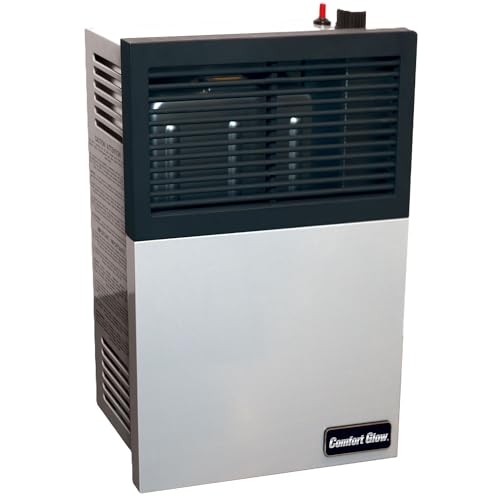
11,000 BTU direct vent heater that heats up to 350 sq ft. Features a sealed burn system with Electronic Ignition and a safety pilot with a regulator for safe gas shutoff. The compact footprint suits wall installations in living spaces or dens.
Best for: Balanced warmth in mid-sized rooms. Limitation: Requires proper venting and space to install on a wall with clearance.
Ashley Direct Vent Wall Heater Dual Fuel — 25,000 BTU

This higher-capacity model heats up to 825 sq ft and uses a safety pilot with a built-in regulator to stop gas flow if the pilot is extinguished. The stainless steel ported burner ensures quiet operation. Suitable for larger living spaces or open-plan areas.
Best for: Larger rooms or multi-zone spaces that require robust heating. Limitation: Higher BTU means greater energy consumption if not needed.
Buying Guide: Key Considerations for Through-Wall Propane Heaters
- Heat output (BTU) versus room size: Match BTU to the square footage you intend to heat. Oversized units can waste energy; undersized units may run constantly.
- Ventilation and installation: Direct vent models exhaust outside; ensure proper venting and clearance from combustibles. Wall-mounted units save floor space but require sturdy mounting and proper stud placement.
- Safety features: Look for sealed burn systems, safety pilots, built-in regulators, and an automatic shutoff if the pilot goes out. These improve safe operation in occupied rooms.
- Fuel type and availability: Propane is widely available; consider existing fuel supply, delivery logistics, and storage of propane tanks if needed.
- Thermostatic control and ignition: Electronic ignition or Piezo ignition impacts ease of use. Thermostatic control helps maintain a consistent room temperature without manual adjustment.
- Noise and comfort: Some models use silent or quiet burners; this matters in bedrooms and study rooms where noise disrupts comfort.
- Space and aesthetics: Consider the unit’s dimensions for wall clearance and how it blends with your room design.
FAQ
- What is the difference between direct vent and vent-free propane heaters?
Direct vent models exhaust combustion gases outside, improving indoor air quality, while vent-free units burn in-room gas with no external vent, which may affect air quality in poorly ventilated spaces. - Can I install a through-wall propane heater myself?
Installation typically requires proper mounting, venting, and adherence to local codes. Consult a licensed technician if unsure. - What room size is best for an 8,000 BTU heater?
Roughly up to 250 sq ft, depending on climate, insulation, and ceiling height. - Do these heaters require electricity?
Many include electronic or piezo ignition and safety features; some functions may require electricity for fans or ignition. - Are retrofit or replacement parts readily available?
Replacement parts for safety systems, ignition, and burners are commonly available through manufacturers and suppliers. - How do I choose between 11,000 BTU and 17,000 BTU models?
Choose 11,000 BTU for smaller rooms and energy efficiency; select 17,000 BTU for larger spaces or rooms with higher heat demand.