
In this guide
- Mr. Heater 30,000 BTU Vent Free Blue Flame Natural Gas Heater
- Mr. Heater 9,000 BTU Portable Buddy Radiant Propane Heater
- ProCom MN100TPA-B Ventless Infrared Plaque Heater
- ProCom MN300HPA-B Ventless Infrared Plaque Heater
- Buying Guide: Key Factors When Choosing Space Gas Heaters
- Frequently Asked Questions
Answer: For reliable space heating, choose gas-fired heaters designed for indoor use with proper ventilation and safety features. This guide highlights five space heaters best suited for American homes, covering large rooms, small spaces, and portable needs. The top picks include vent-free natural gas models for continuous warmth, a portable propane option for flexibility, a compact infrared unit for offices or bedrooms, and a ventless gas option for larger areas. This mix helps buyers compare size, BTU, and installation needs to fit their space and safety requirements.
| Product | Type | Best For |
|---|---|---|
| Mr. Heater 30,000 BTU Vent Free Blue Flame Natural Gas Heater | Vent Free Gas | Large rooms up to 1,000 sq ft |
| Mr. Heater 9,000 BTU Portable Buddy Radiant Propane Heater | Portable Gas | Small spaces up to 225 sq ft |
| ProCom MN100TPA-B Ventless Infrared Plaque Heater | Ventless Infrared Gas | Office, bedroom, small living spaces |
| Country Living Infrared Freestanding Electric Fireplace Stove | Electric Infrared | Decorative warmth in living spaces |
| ProCom MN300HPA-B Ventless Infrared Plaque Heater | Ventless Infrared Gas | Up to 1,200 sq ft |
Mr. Heater 30,000 BTU Vent Free Blue Flame Natural Gas Heater

The 30,000 BTU vent-free unit is designed to heat up to about 1,000 square feet and uses natural gas with a battery-operated electronic ignition. It is best for larger living spaces or open-layout areas where steady, zone-like warmth is needed. The model offers a high-output option without requiring venting, which is convenient where venting is limited. A potential limitation is that vent-free devices rely on room ventilation to manage moisture and combustion byproducts, so install in well-ventilated rooms and follow safety guidelines.
Mr. Heater 9,000 BTU Portable Buddy Radiant Propane Heater

This compact, portable heater provides 4,000 to 9,000 BTU radiant heat and is approved for indoor and outdoor use. It heats up to roughly 225 square feet and is ideal for small rooms, workshops, or camping scenarios. Best for users who need mobility and quick warmth without a fixed install. A limitation is that propane can require frequent fuel management, and the unit should never be left unattended in high-traffic spaces or near flammables.
ProCom MN100TPA-B Ventless Infrared Plaque Heater
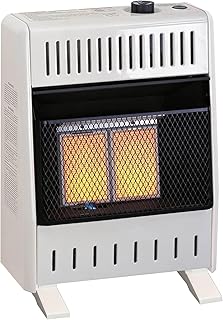
This 10,000 BTU ventless infrared heater uses natural gas and heats up to about 500 square feet. It includes thermostat control with High/Medium/Low settings and offers a slim, modern profile that fits many rooms. It’s well-suited for small-to-medium spaces, offices, or bedrooms where quiet, steady heat is desired. One caution is that ventless heaters rely on room oxygen levels, so avoid tightly sealed rooms and ensure adequate ventilation.
ProCom MN300HPA-B Ventless Infrared Plaque Heater
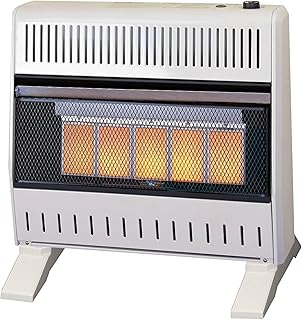
This 30,000 BTU model heats up to 1,200 square feet and operates on natural gas with no electricity required. It offers manual control with Low/Medium/High settings and includes an Oxygen Depletion Sensor with automatic shut-off. Best for larger spaces and situations where electricity may be unreliable. A consideration is that higher output requires proper clearance and venting considerations per installation guidelines.
Buying Guide: Key Factors When Choosing Space Gas Heaters
- BTU and Space Coverage: Match heater output to room size. Larger spaces need higher BTU; smaller rooms can overheat with high-output units.
- Fuel Type: Natural gas models provide steady warmth but require gas lines and proper venting where needed. Propane models are portable but require bottles and storage planning.
- Ventilation and Safety: Vent-free or vented options depend on room ventilation. Look for oxygen depletion sensors, tip-over safety, and automatic shut-off features.
- Installation Flexibility: Portable units offer mobility; ventless plaques and baseboard styles fit fixed spaces. Consider whether you need floor models, wall-mounts, or freestanding units.
- Control and Comfort: Thermostats, multiple heat settings, and remote controls improve daily comfort and energy management.
- Electrical Considerations: Some units may require electrical ignition or operate without electricity. Plan for backup power if you rely on electric-powered ignition.
- Maintenance and Odor: Gas heaters require periodic venting checks and fuel management. Ensure proper clearance from combustibles and follow manufacturer recommendations.
Frequently Asked Questions
- What is the difference between vent-free and vented gas heaters?
Vent-free heaters release combustion byproducts into the room; vented units exhaust outdoors. Vent-free models require proper room ventilation and safety considerations. - Can I use a gas space heater in a small apartment?
Yes, but choose a heater sized for the room and ensure adequate ventilation. Portable options can offer flexibility for apartments with limited space. - Is propane safer for indoor use than natural gas?
Propane and natural gas have similar safety concerns indoors. Propane is portable; natural gas is often piped in. Both require proper installation and ventilation. - Do infrared gas heaters work well for large rooms?
Infrared heaters can effectively heat occupied zones within larger spaces. For very large or open areas, higher BTU ventless models or multiple units may be needed. - What maintenance is needed for gas heaters?
Regular inspections, vent checks, and following manufacturer guidelines for fuel supply and ignition systems help maintain safe operation.