
Answering the common buyer question, these solar hot water vacuum tubes and related components aim to maximize heat capture and minimize losses. This guide highlights five solid choices, detailing who each product is best for and why. Whether you’re upgrading an existing solar system or installing a new setup, these selections cover residential setups, roof-mounted collectors, and pool heating contexts. The table below compares core attributes to help you decide at a glance.
| Product | Best For | Key Benefit |
|---|---|---|
| MISOL Solar Collector of Solar Hot Water Heater | New solar hot water systems or major upgrades | Integrated collector with 10 evacuated tubes for efficient heat capture |
| MISOL 10 Units of Vacuum Tubes for Solar Water Heater | Replacing tubes in existing systems | Durable borosilicate tubes with high energy absorption and low heat loss |
| Duda Solar 15 Tube Water Heater Collector | Roof installations with strong heat retention | Extended tube length and multi-material construction for reliability |
| DOITOOL 20pcs 58mm O-Ring Kit | Maintenance and resealing of vacuum tubes | Comprehensive gasket set and quick replacement capability |
| GoFloats V2 Inflatable Solar Pool Heaters | Pool heating on a budget | Inflatable, easy setup, complements existing pool heating |
MISOL Solar Collector Of Solar Hot Water Heater

The MISOL collector combines a solar hot water heater with 10 evacuated tubes, designed for residential use. This package emphasizes a sturdy outer shell of aluminum alloy and a rock-wool insulating layer, contributing to reduced heat loss. Best for homeowners seeking a complete collector solution with integrated tubes, rather than sourcing components separately.
Who it’s best for: Homeowners installing a new solar hot water system or upgrading a roof-mounted collector. Why selected: The integrated design simplifies installation and aligns with standard evacuated-tube configurations.
Caution: Ensure compatibility with your existing copper or steel piping and mounting hardware to avoid isolation issues or fit problems.
MISOL 10 Units of Vacuum Tubes for Solar Water Heater

The MISOL vacuum tubes focus on the core of a solar water heater: the tubes themselves. Constructed with tough borosilicate glass, these tubes maximize solar energy absorption while the vacuum seal minimizes heat loss. They’re well-suited for replacing individual tubes within an existing evacuated-tube system or stocking spares for long-term maintenance.
Best for: Homeowners maintaining or expanding an existing evacuated-tube system. Why chosen: High emphasis on energy capture and durability of the core heat-collecting tubes.
Limitation: Tube compatibility varies by model; confirm tube diameter and length (58 mm x 1800 mm is common) with your current assembly.
Duda Solar 15 Tube Water Heater Collector

The Duda Solar package features 15 tubes and a slope-roof frame, emphasizing high heat retention with insulated manifolds and robust copper heat pipes. Its φ58mm tubes and multiple target configurations aim to deliver reliable performance for roof installations where space and energy demand are substantial. Best for: Roof-bound homes needing a durable, high-retention collector. Why selected: Strong heat retention properties and a proven frame design.
Limitation: Data notes limits on maximum operating pressure in some environments; ensure your system’s pressure rating matches the installation site.
DOITOOL 20Pcs 58mm O-Rings For Vacuum Tubes

This kit provides 58 mm silicone O-rings and related gaskets for solar water heater vacuum tubes. It’s designed for reliable sealing and easy maintenance, helping prevent leaks that can degrade performance. Best for: Do-it-yourself maintenance and gasket replacements. Why selected: Comprehensive set that covers common needs for vacuum-tube seals.
Limitation: Some units may require specific diameters beyond 58 mm; verify exact size before purchasing replacements for your model.
GAME 4721-BB SolarPRO Curve Solar Pool Heater
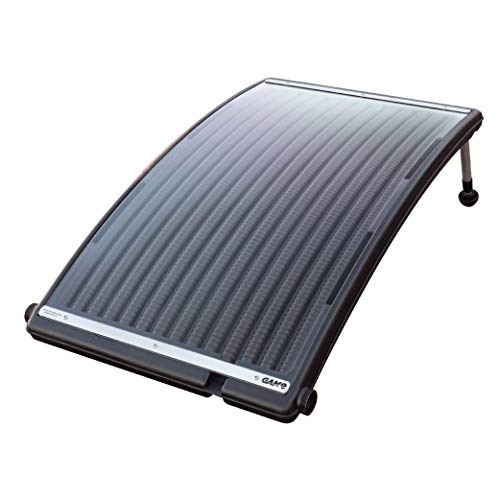
This pool heater is designed for above-ground and many inground pools, with a curved shape that maximizes heat collection and simple plumbing options. It’s a practical option when the goal is to raise pool temperatures without complex installation. Best for: Pool owners seeking an affordable, plug-and-play heating solution. Why selected: Notable for its compatibility with common pool setups and curved geometry for better sun exposure.
Caution: Pool heating performance depends on sun exposure and pool size; installation should consider pool surface area coverage for optimal results.
GoFloats V2 Inflatable Solar Pool Heaters

GoFloats V2 offers a trio of inflatable heaters designed to trap heat and keep pool water warmer at night. The inflatable design allows easy deployment and removal, making it suitable for seasonal use. Best for: Budget-conscious pool owners who want quick, temporary heating gains. Why selected: The set includes multiple heaters for broader coverage and quick setup.
Caution: Inflatable devices may require careful storage and monitoring for punctures or wear, especially in windy or rocky environments.
Buying Guide
- What type of system am I upgrading or installing? Decide between a complete collector with integrated tubes (MISOL Collector) and replacement tubes for existing systems (MISOL 10 Tubes).
- What size and shape of tubes suit my roof and climate? Tube diameter and length (58 mm x 1800 mm is common) influence compatibility and heat capture.
- What is my mounting chemistry? Roof-frame suitability, mounting hardware, and insulation quality affect performance and longevity.
- How important is heat retention? Materials like rock-wool insulation in manifolds reduce heat loss and improve efficiency in cooler climates.
- Maintenance readiness matters. Do I need a ready gasket kit (O-rings) for seal longevity, or do I prefer plug-and-play tube replacements?
- Pool-specific considerations: For pool heating, evaluate coverage area and sun exposure. Inflatable heaters offer quick, temporary gains but may require more surface area for steady warmth.
FAQ
- What are evacuated tubes and why are they used in solar water heaters? Evacuated tubes minimize heat loss and maximize energy capture, improving efficiency in varying temperatures.
- Can I mix different brands of vacuum tubes in one system? Mixing brands is possible in some setups but may affect performance and fit; verify compatibility with your manifold and frames.
- How do I know if my tubes need replacement? Signs include reduced heat output, visible cracks, or leaks around seals and joints.
- Is insulation critical for solar collectors? Yes, insulation reduces heat loss from the manifold and piping, improving overall efficiency.
- Are O-rings necessary for vacuum tubes? O-rings ensure a leak-free seal between components; regular inspection helps prevent performance drops.
- Do inflatable pool heaters work year-round? They perform best in sunny seasons and may be less effective in overcast or cooler conditions.