
In this guide
- Highest Performing Solar Pool Heater Kit
- Insinkerator HOT250 Instant Hot Water
- Sloan Optima EAF-275 Solar Faucet
- Tankless Water Heater Instant Propane
- 2 Panel Standard SW-38 Hybrid Solar Kit
- Buying Guide
- What to consider when choosing a solar hot water system
- Where to install and how it affects performance
- Budgeting and long-term considerations
- FAQ
Answering your search for efficient solar hot water options, this guide highlights five solar-powered systems that work with electric or hybrid setups to provide reliable hot water. Each pick targets different needs—from DIY pool heating to instant hot water and hybrid solar water heaters for homes or cabins. Use this to compare best for, limitations, and practical buying considerations before you decide.
| Product | Best For |
|---|---|
| Highest Performing Design – DIY Solar Pool Heater Kit | Best for pool heating with long life and potential integration into solar water heating systems |
| INSINKERATOR HOT250 Instant Hot Water Dispenser System | Best for instant domestic hot water at point-of-use |
| Sloan Optima EAF-275 Solar Sensor Faucet | Best for touchless solar-powered hot water delivery at sinks |
| Tankless Water Heater Instant Propane Gas Water Heater | Best for on-demand hot water with propane if electric solar is limited |
| 2 Panel Standard SW-38 Hybrid Solar Water Heater Kit | Best for hybrid solar water heating at home or cabin |
Note: Each product section includes best-for guidance, key considerations, and a practical limitation to help you compare options for different homes and climates.
Highest Performing Solar Pool Heater Kit
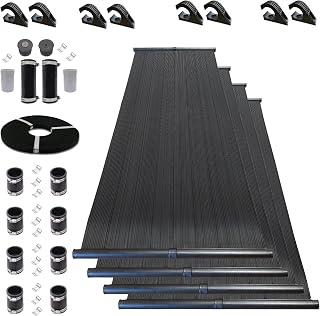
Insinkerator HOT250 Instant Hot Water

Sloan Optima EAF-275 Solar Faucet

Tankless Water Heater Instant Propane
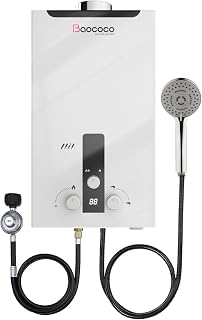
2 Panel Standard SW-38 Hybrid Solar Kit

Features: Heats water for your house or cabin using the sun, Connects to your existing electric or gas water heater, Hybrid System – Never be without hot water even on cloudy days
Buying Guide
What to consider when choosing a solar hot water system
- Hot water demand and climate: Assess daily usage and sun exposure to determine the appropriate system size and storage needs.
- System type: Decide between pool-focused, instant hot water at point-of-use, or hybrid solar configurations for a whole-home setup.
- Installation compatibility: Check if the system integrates with existing electric, gas, or propane heating, and whether a storage tank is needed.
- Energy source and efficiency: Consider whether the system relies primarily on solar heat or supplements with electric or gas backup.
- Maintenance and durability: Evaluate kit life expectancy and ease of maintenance, especially for DIY pool heating solutions.
Where to install and how it affects performance
- Roof or ground mounts should be oriented to maximize sun exposure, especially in winter months.
- Hybrid systems are advantageous in areas with variable sun, ensuring hot water on cloudy days.
- Instant hot water dispensers are best for kitchens or sinks needing quick hot water, reducing wait times.
Budgeting and long-term considerations
- Initial cost vs. long-term savings: Higher upfront investment may be offset by reduced energy bills over time.
- Longevity and warranties: Longer life expectancy can justify higher upfront costs for some kits.
- Ease of upgrades: Modularity matters if you plan to expand solar capabilities later.
FAQ
- Q: Can a solar hot water system power an entire home? A: Hybrid solar systems can support hot water heating for a home, but may require backup electric or gas heating depending on climate and household demand.
- Q: Are solar pool heater kits compatible with home water heating? A: Some kits are designed for pool heating and can be integrated with broader solar water solutions, but this depends on system design and plumbing.
- Q: What is a good choice for instant hot water at the sink? A: An instant hot water dispenser provides immediate hot water at the point of use with a compact installation.
- Q: Do solar water heating systems require professional installation? A: Some hybrid or integrated systems may require professional installation, especially when connecting to existing plumbing or electrical systems.
- Q: Do these systems work in cloudy conditions? A: Hybrid or storage-based systems maintain hot water supply during low-sun days, though solar collection may reduce in overcast conditions.
- Q: What maintenance is typical for solar hot water systems? A: Regular inspection of collectors, pipes, and seals; periodic replacement of components as needed; and ensuring backup systems function properly.