
In this guide
Recessed baseboard heaters offer steady, unobtrusive warmth that blends into home interiors. The following selections prioritize efficiency, safety, and straightforward installation for American homes. Each product below is a fit for medium to larger rooms, providing reliable heat with simple wiring options. Compare features, sizes, and heat output to determine which model matches your space and thermostat preferences.
| Product | Brand | Heat Output | Voltage |
|---|---|---|---|
| Cadet F Series 24″ Electric Baseboard Heater (2F350W) | Cadet | 350W / 120V (equivalent) | 240/208 Volt |
| Cadet F Series 72″ Electric Baseboard Heater (6F1500W) | Cadet | 1500W | 240/208 Volt |
| Cadet F Series 36″ Electric Baseboard Heater (3F750-1W) | Cadet | 750W | 120 Volt |
| Cadet F Series 48″ Electric Baseboard Heater (4F1000W) | Cadet | 1000W | 240/208 Volt |
| Comfort Zone Electric Baseboard Space Heater (CZ600) | Comfort Zone | 1500W | 120 Volt |
Choosing the right recessed baseboard heater involves evaluating room size, voltage availability, and installation preferences. The Cadet options emphasize metal construction and built-in safety features, while the Comfort Zone unit adds versatile thermostat control and quiet operation. The following product sections provide detailed summaries of each model’s capabilities to help you decide which heater best fits your home’s layout and safety standards.
Cadet F Series 24″ Electric Baseboard Heater
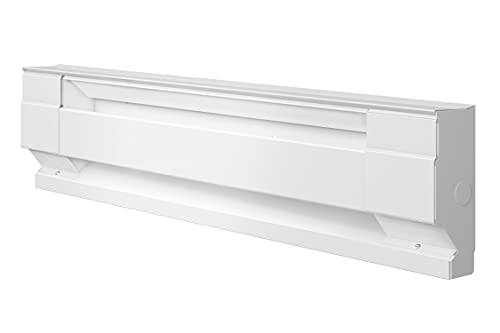
The Cadet 2F350W model is a compact option designed for smaller spaces or as a supplemental heat source. It uses steel construction and operates as an electric baseboard heater, compatible with 240/208 volt supply. Its size makes it suitable for under windows or alongside walls where discreet heating is desired. Installation considerations include ensuring proper clearance and an appropriate thermostat setup to maximize efficiency. This unit provides reliable, steady warmth with straightforward wiring and a clean white finish that blends with most décors.
Key features include: white powder-coated steel housing, compatibility with standard electrical wiring, and a focus on consistent heat distribution. The model’s wattage corresponds to moderate room heating, ideal for zones or small living areas. As with all electric baseboards, pairing with a compatible thermostat improves energy efficiency and comfort throughout the day and night.
Cadet F Series 72 in. Electric Baseboard Heater

The 6F1500W model provides strong heat output for larger spaces. At 1500 watts, this unit is designed to keep mid-sized to larger rooms warm with near-constant operation. It’s built for easy installation and long-term reliability, with a focus on even heat distribution along the baseboard length. This Cadet heater is suitable for rooms where a longer baseboard run is feasible, helping to achieve uniform temperatures across the space. Power and venting considerations are important for optimized performance in homes with existing baseboard layouts.
Notable attributes include continuous heat transmission and a robust 25-gauge steel framework. The unit’s white finish matches other Cadet baseboards, providing a cohesive look in most interiors. When planning installation, consider thermostat compatibility and whether multiple zones will be controlled separately to maximize energy savings and comfort.
Cadet F Series 36″ Electric Baseboard Heater
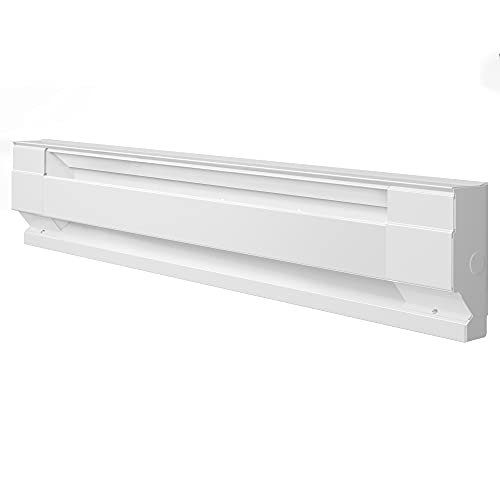
With a 750-watt output at 120 volts, the 3F750-1W model is positioned for mid-sized rooms or zones that require more than a compact unit but less than a full-scale installation. It uses a 25-gauge steel construction, a powder-coated finish, and a solid junction box. The unit’s design emphasizes durability and safe operation, making it a practical choice for living spaces, bedrooms, or home offices where a steady heat source is beneficial. Installation typically involves thermostat integration and proper mounting to achieve even heat distribution.
Key aspects include durable all-metal construction and comprehensive safety features. The heater’s length allows for flexible placement along walls or beneath windows. As with other recessed baseboards, proper clearances and thermal considerations ensure optimal efficiency and longevity of the unit.
Cadet F Series 48″ Electric Baseboard Heater
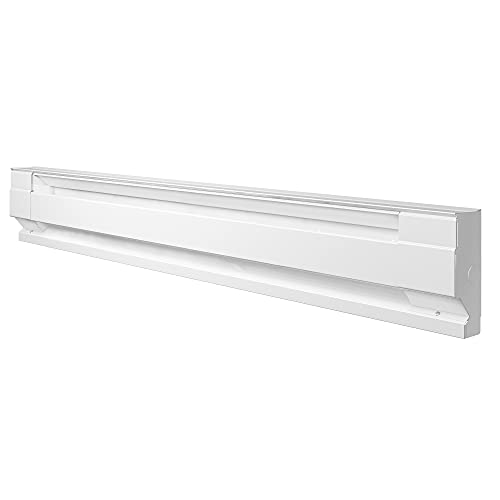
The 4F1000W model provides a robust 1000-watt heat output at 240/208 volts, suitable for small-to-medium rooms that need a reliable steady heat source. It features universal wiring options and pre-punched knockouts at regular intervals, simplifying wall or floor mounting. A high-temperature safety shutoff helps protect occupants, while the all-metal construction and powder-coated finish ensure durability in daily use. This unit is appropriate for homes that prefer a longer baseboard run to distribute heat evenly along a wall.
Users benefit from its adjustable installation uses—whether running along a wall or tucked under cabinetry—helping to reduce cold spots. The included safety features and sturdy design support long-term performance in busy living areas and home offices that require consistent warmth without intrusive noise or vibration.
Cadet F Series 72″ Electric Baseboard Heater

The 6F1500W model is designed for larger rooms or zones where longer baseboard units provide better heat distribution. It includes a 1500-watt capability at 240/208 volts, offering strong warmth across expansive spaces. The unit retains Cadet’s emphasis on durable construction and reliable performance, with installation that supports thermostat-controlled, zone-based heating. It’s well-suited for living rooms, family rooms, or open-plan areas that require steady, measured heat output across a broad area.
When integrating this heater, consider its compatibility with existing electrical panels and the desired control strategy. A properly matched thermostat will help maintain consistent temperatures while optimizing energy use. The long length helps minimize cold spots along the wall, creating a uniform thermal experience in the room.
Buying Guide: Key Purchase Considerations
To choose the right recessed baseboard heater, consider room size, ceiling height, and insulation. Wattage and voltage must align with electrical capacity and local codes. Thermostat options range from basic on/off to programmable or smart thermostats that help manage energy use and comfort. Metal construction and powder-coated finishes contribute to longevity, especially in rooms with high humidity or frequent cleaning.
Important safety features include high-temperature shutoff, overheat protection, and tip-over protection for portable units. For permanent installations, ensure proper clearance from furniture and walls, and plan for discreet cable routing and wiring access. Installation methods vary from floor mounting to wall integration, with some models offering easier knockouts and universal wiring for retrofits.
Energy efficiency is influenced by room sealing, insulation, and the ability to set a comfortable zone temperature. When comparing models, note heat distribution along the length of the baseboard, as longer units tend to provide more uniform warmth. If you’re heating multiple rooms, consider a zoned approach with separate thermostats to maximize comfort and control costs.
Another perspective is ease of maintenance. Metal baseboards with accessible junction boxes and simple filter-less designs require minimal upkeep, whereas more complex assemblies may need professional servicing for thermostat integration or wiring checks. Budget your installation and maintenance costs by weighing upfront installation complexity against long-term reliability and energy savings.
Finally, consider the aesthetic and interior design. White, powder-coated surfaces blend with most décors and reduce visual distraction. If installation space is tight, a shorter model or one with an unobtrusive profile can make a significant difference in room feel while still delivering adequate warmth. All models listed here are designed to deliver dependable heat while maintaining a clean, understated appearance in American homes.