
When selecting a radiator for home heating, the goal is clear warmth, dependable performance, and energy efficiency. This guide highlights five top options that suit different homes and budgets. Whether you want rapid room warming, quiet operation, or a traditional cast-iron look, these selections help you compare claims and pick the best fit for your space and climate.
Buyer note: The top picks below cover wall-mounted aluminum radiators for quick heat, cast-iron radiators for slow, steady warmth, and a radiator cover for elegant concealment. The summary table below offers a quick reference to each product’s key traits and best use cases.
| Product | Best For | Key Benefit |
|---|---|---|
| AB Wall-mounted Radiator Heater (10 Panels) | Medium to large rooms, fast warmth | High BTU output with quick heating |
| Q-Hillstar 10-Panel Aluminum Radiator | Energy-conscious homes | Quiet, energy-saving operation |
| Oswald Supply Cast Iron Radiator (25″ | Classic look, steady heat | Very quiet operation, deep warmth |
| Oswald Supply Cast Iron Radiator (19″ | Smaller spaces, vintage style | Quiet and durable |
| Wisfor Deep Tall Radiator Cover Cabinet | Concealed heaters, decor-friendly | Stylish cover that improves room aesthetics |
AB Wall-mounted Radiator Heater With 10 Panels

The AB 10-panel aluminum radiator delivers up to 5,768 BTUs for quick room warming. It is built from scratch-free aluminum, which provides high thermal conductivity and rapid heat transfer. The design employs side vents to improve air circulation and heat radiation efficiency. This unit is best for medium to larger rooms where rapid, even heating is desired. A potential limitation is the requirement for a compatible hot-water or boiler system to operate, as it is a hydronic radiator.
Best for: homeowners seeking fast, consistent heat in living rooms, kitchens, or home offices. Why selected: it combines strong heating capacity with durable, easy-to-clean aluminum construction and a low-maintenance surface finish.
Caution: Ensure proper installation and system compatibility; operating pressure should stay within the recommended range to maintain performance and safety.
Quiet Energy Saving Hot Water Radiator, 6-Panel

This 6-panel aluminum radiator offers up to 3,500 BTUs and features side baffles for even airflow, reducing energy consumption and improving heating efficiency. It connects to a boiler or central heating system, eliminating the need for gas or electricity, and can complement renewable energy setups for greener operation. It operates quietly, making it suitable for bedrooms and study areas. Best for: smaller to mid-sized rooms where energy efficiency and quiet operation are priorities. Caution: Check your boiler or central system compatibility and space constraints before installation.
Oswald Supply Cast Iron Radiator (25″)

The 25-inch cast-iron radiator from Oswald Supply emphasizes quiet operation and steady, heat-retention warmth. Cast iron provides slow-to-heat, long-lasting warmth that remains comfortable as it cools down, which suits rooms where steady ambient heat is preferred. It is a free-standing option that can fit with traditional interiors. Best for: spaces where classic radiators are desired and long-term stability matters. Caution: Increased mass requires secure installation and careful positioning near walls and furniture to avoid obstruction.
Oswald Supply Cast Iron Radiator (19″)

The 19-inch Oswald cast-iron radiator offers a compact option with similar quiet operation and durability. This size suits smaller rooms or spaces where a traditional aesthetic is important without overpowering the room. Best for: smaller living spaces or bedrooms that require consistent warmth without taking up much wall area. Caution: Smaller radiators may require longer to reach target temperatures in very large rooms, depending on heat loss and insulation levels.
Wisfor Deep Tall Radiator Cover Cabinet
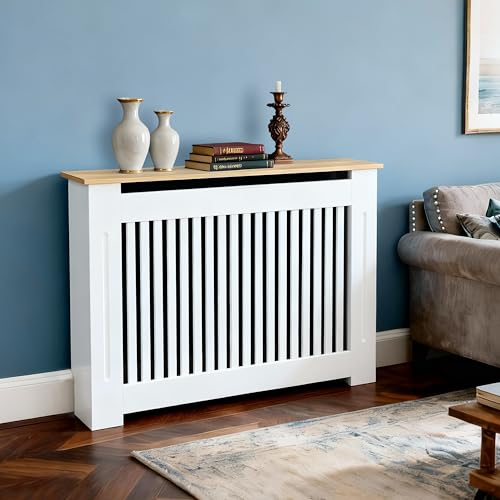
This radiator cover cabinet is designed to conceal tall radiators while allowing heat to circulate. The deep, tall design aims to fit external radiators and maintain a neat room aesthetic. Best for: homeowners who want a stylish cover that blends with white MDF finishes and natural wood textures. Caution: Covers can slightly reduce heat emission; ensure adequate clearance around vents for airflow.
Buying Guide: Key Purchase Considerations
Selecting the right radiator involves balancing heating needs, space, and energy efficiency. Consider the following questions to refine your choice:
- What room size and insulation will the radiator serve? Larger rooms may require higher BTU output or multiple panels to reach comfort levels quickly.
- Do you prefer quick heat or steady, long-lasting warmth? Aluminum radiators heat up fast, while cast iron provides enduring warmth once hot.
- Is quiet operation important in bedrooms or study areas? Look for models advertised as quiet or designed for silent operation.
- What installation options are available? Wall-mounted units save floor space; free-standing cast-iron radiators require secure placement.
- Is your home set up for hydronic heating? Many models rely on a boiler or central heating system; confirm compatibility before purchasing.
- Do you want a decorative element? A radiator cover can improve aesthetics but may impact heat transfer; consider clearance and airflow.
Practical comparison tips
- Compare BTU ratings to your room’s heat loss estimate to avoid under- or over-heating.
- Assess the material: aluminum for fast warmth and lighter weight; cast iron for classic style and stability; covers for design improvement.
- Check pressure and installation requirements for hydronic systems to prevent leaks and ensure safe operation.
FAQ
- What is a radiator’s main purpose in a home?
To transfer heat from a hot water or steam system into a room, providing controlled warmth and comfort.
- Which radiator type heats rooms fastest?
Aluminum radiators generally heat up more quickly than cast-iron models due to higher thermal conductivity.
- Are radiator covers effective without reducing heat?
Yes, when designed with breathable ventilation and sufficient clearance to allow air to circulate.
- Do I need professional installation for hydronic radiators?
Professional installation is recommended to ensure proper plumbing connections and safe operation.
- Can radiators be used with renewable energy sources?
Yes, many hydronic systems work with boilers powered by renewables, helping reduce carbon footprint.
- How do I choose BTU for a room?
Estimate heat loss based on room dimensions, windows, insulation, and climate, then select a radiator with adequate BTU output.