
PTC ceramic heaters with built-in fans deliver rapid, energy-efficient warmth for small spaces or vehicle cabins. This guide highlights five practical options, clarifying who each is best for and why. Whether you need a compact car heater or a room heater with multi-mode operation, the right PTC ceramic heater can boost comfort while managing energy use.
Buyer’s quick lookup table
| Product | |||
|---|---|---|---|
| PTC Car Fan Heater with Power Cord 200W | Car heater | 200W | Small vehicle cabins, quick warmth in 0.5 m³ spaces |
| Aikoper Space Heater | Room heater | 1500W | Bedrooms, offices, small-to-medium living spaces |
| 3 in 1 Space Heater with Fan and Light | Room heater with LED light | PTC-based, 1500W range typical | Small bedrooms needing light + heat |
| PTC Car Fan Air Heater, 24V 200W | Car heater | 200W | Small spaces in 24V vehicles, quick warm-up |
| Comfort Zone Compact Electric Space Heater | Room heater | 1500W | Home offices, bedrooms requiring adjustable comfort |
Note: All products use PTC ceramic heating technology intended to provide safer, more stable warmth with lower risk of overheating when used as directed. Always follow manufacturer installation and safety instructions.
PTC Car Fan Heater With Power Cord

This compact 110V, 200W car heater uses a PTC thermistor to deliver steady warmth in small spaces. It is designed for easy installation and reliable operation in 0.5 cubic spaces, making it a practical choice for drivers who want quick heat without bulky equipment.
Best for: Car owners who need a portable, energy-saving heating solution for compact cabins. The unit’s surface insulation and built-in wiring simplify setup. Caution: Ensure electrical safety when wiring into a vehicle’s power system and avoid occluded airflow that could impede heating efficiency.
Aikoper 1500W PTC Space Heater
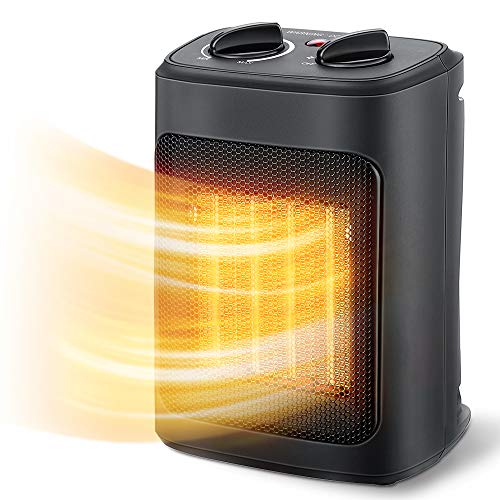
Combining PTC ceramic heating with a high-efficiency fan, this 1500W unit aims to heat rooms faster and distribute warmth evenly. It offers three heat settings (low, medium, high) plus a fan-only mode to tailor comfort and reduce energy use when you don’t need full heat.
Best for: Rooms like bedrooms or home offices where flexible heat output is beneficial. Choose this if you want faster warm-up and the option to cool with fan-only operation. Limitation: Large rooms may require longer runtimes to sustain warmth at lower energy draw.
3 in 1 Space Heater With Fan And Light

This compact unit combines a room heater, a cooling fan, and an LED light in a single package. It employs PTC ceramic heating for efficient warmth and includes a remote for convenient operation from across the room.
Best for: Small bedrooms or dorm rooms needing lighting plus heating. Consider this if you want year-round utility. Limitation: The integrated LED and fan features add complexity; ensure you actually need light in addition to heat.
PTC Car Fan Heater, 24V 200W
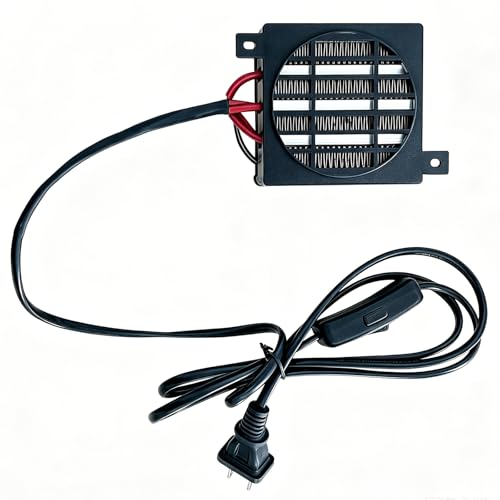
Designed for 24V automotive systems, this 200W car heater leverages a PTC heating element for quick surface warm-up. It’s suitable for small vehicle spaces and can support various 24V applications requiring compact heat and airflow.
Best for: 24V vehicle owners who need a dedicated, energy-conscious heater. Avoid this if you require higher heat output for larger spaces; its 200W rating targets compact cabins. Limitation: 24V systems vary by vehicle—confirm compatibility before install.
Comfort Zone Compact Electric Space Heater

This 1500W PTC ceramic heater offers three heat settings and a versatile thermostat. It includes tip-over and overheat protections and is ETL listed for basic consumer safety. The unit supports steady, adjustable warmth for medium-size rooms.
Best for: Home offices or bedrooms needing reliable, adjustable heat with standard safety features. Limitation: For very large spaces, you may need a more powerful heater or supplemental heating strategies.
Buying Guide: Key Considerations And Comparisons
What should you check when choosing a PTC ceramic heater with a fan?
- Room size and heating capacity: Match power (watts) to space. 1500W units are best for small-to-medium rooms; 200W car units fit compact cabins.
- Temperature control: Look for adjustable thermostats and multiple heat settings to tailor comfort and energy use.
- Safety features: Overheat protection, tip-over shutoff, and surface insulation reduce risk in everyday use.
- Versatility: If you want year-round use, consider models with a fan-only mode and, for rooms, LED lighting or oscillation features.
- Power source compatibility: Car heaters require compatible 12V or 24V electrical systems; home heaters need standard 110V AC power.
- Ease of use: Remote controls, simple controls, and clear installation instructions improve daily usability.
- Portability and durability: Compact, well-built housings with safe handling are preferable for frequent repositioning.
How to choose by scenario
- Small car cabin: A 200W or similar 12V/24V unit is typically sufficient and safer for vehicle power systems.
- Bedroom or office: A 1500W ceramic heater with adjustable thermostat balances quick warmth and steady comfort.
- Multi-function needs: A 3-in-1 model with light or a remote helps provide light and heat from a single device.
Maintenance and care
- Keep vents clear of dust to maintain airflow and efficiency.
- Inspect cords and connectors for wear; avoid using damaged cables.
- Follow manufacturer guidelines for placement to prevent heat exposure to curtains or furniture.
FAQ
- What does PTC mean in these heaters?
– PTC stands for Positive Temperature Coefficient; the ceramic element self-regulates heat for safer operation and energy efficiency. - Are these heaters safe for bedrooms?
– Yes, when used with proper safety features such as overheat protection, tip-over shutoff, and if kept away from flammable materials. - Can a 200W car heater heat a room?
– A 200W unit is intended for compact spaces like a car cabin; larger rooms benefit from higher-watt units or supplemental heating. - Do PTC heaters require special maintenance?
– Routine cleaning and dust removal from vents is typically sufficient; follow the product manual for any model-specific care. - Is remote control necessary?
– Not essential, but it adds convenience for adjusting temperature and modes from a distance. - Can I use these heaters year-round?
– Yes, especially models offering fan-only modes or lighting features. In summer, use the fan-only setting to circulate air.