
The top picks below are the most suitable programmable or semi-programmable thermostats for hot water baseboard heat and other single‑stage heating setups. They help you save energy, simplify scheduling, and keep room temperatures steady. This guide targets buyers seeking reliable line- or mains-voltage options that fit typical baseboard or convector heating systems. The list identifies who each product is best for, plus clear pros, limits, and installation notes.
| Product | Why It Stands Out |
|---|---|
| Honeywell Home 5-2 Day Programmable Thermostat Electric Baseboard Heaters | Accurate control for baseboards with silent TRIAC switching; ideal for users needing precise temperature management. |
| Riseem Non-Programmable Thermostat for Home | Broad compatibility and easy DIY install; best for simple, reliable heat control if you don’t need a schedule. |
| Honeywell TL8230A1003 Electric Heat Digital 7 Day Programmable | 7‑day programming and energy‑saving potential, with precise electronic control. |
| Mysa Smart Thermostat LITE for Electric Baseboard Heaters | WiFi connected with 7‑day scheduling and voice assistant compatibility; best for smart homes. |
| Cadet Double Pole Line Voltage Thermostat | Line‑voltage support for 120/208/240V with a simple dial and reliable dual‑pole switching. |
Note: Buying decisions should consider system type (line voltage vs. low voltage), compatibility with baseboard heat, and whether you want a programmable or smart thermostat. The products listed here cover common baseboard scenarios and offer options for both traditional and modern connected setups.
Honeywell Home 5-2 Day Programmable Thermostat Electric Baseboard Heaters

The Honeywell Home 5-2 Day model targets electric baseboards and convectors with a precise control capability. Features include a 5-2 day programmable schedule and high accuracy (±0.27°F) for baseboards and integral convectors. Its TRIAC switching delivers silent operation and stable temperature control, helping minimize temperature swings. Best for homeowners who want dependable, quiet operation and a fixed weekday/weekend programming pattern. A potential limitation is that this model may be best used on systems within its voltage and wiring expectations; always verify compatibility before installation.
Who it’s best for: Homeowners with electric baseboard or convector heaters seeking accurate, quiet control and a simple 5-2 day schedule.
Riseem Non-Programmable Thermostat for Home

This Riseem thermostat is a straightforward, non-programmable option designed for broad compatibility with various heating systems including hot water baseboards in some configurations. It emphasizes easy DIY installation with large terminal blocks and a universal sub-base, plus a backlit LCD for readability. Best for users who want a simple, fast setup without scheduling complexity. Limitation: it is not compatible with all electric baseboard configurations (notably some high‑voltage baseboards or multi‑stage systems), so confirm your system layout before purchase.
Who it’s best for: DIY installers who want a simple, reliable control without a program schedule.
Honeywell TL8230A1003 Electric Heat Digital 7 Day Programmable
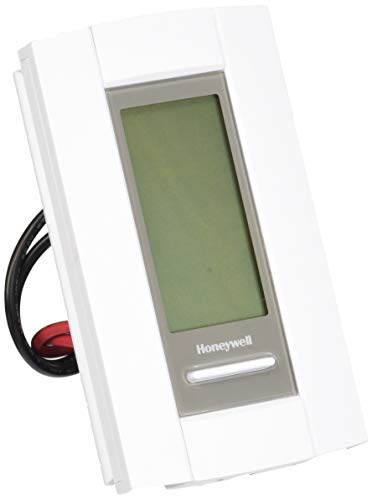
The TL8230A1003 offers seven‑day programmable scheduling for electronic temperature control, with a precision around ±1°F to help savings on heating usage. It is designed for electric heating systems, including baseboard setups, and emphasizes quiet operation with reduced typical thermostat noise. Choose this if you want a daily or weekly schedule to fit a regular routine. Limitation: some installations may require compatible wiring and a neutral connection; verify your wiring before purchase.
Who it’s best for: Users who want a robust, programmable schedule spread across a full week for steady comfort and potential energy savings.
Suuwer Non-Programmable Thermostats for Home

The Suuwer non‑programmable thermostat is designed for conventional single‑stage heating, including gas/oil/electric furnaces and similar systems. It uses a blue backlit display and a simple control interface. Best for users who want a reliable, no‑frills thermostat that supports basic heating controls without scheduling. Caution: it does not support multistage or line‑voltage baseboard configurations, and compatibility varies with high‑voltage baseboard setups.
Who it’s best for: Buyers needing a straightforward, easy-to-operate thermostat for single‑stage heating setups.
Mysa Smart Thermostat LITE for Electric Baseboard Heaters
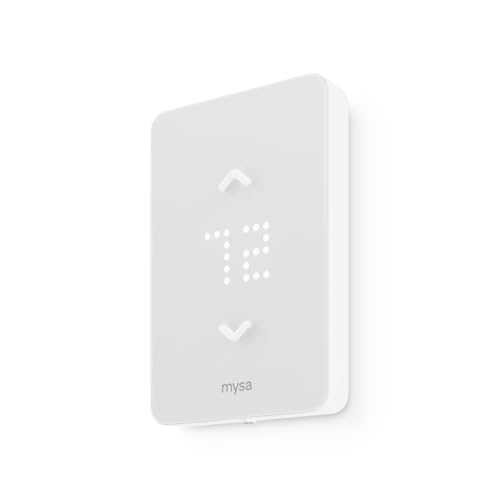
Mysa’s Smart Thermostat LITE offers WiFi connectivity, 7‑day scheduling, and compatibility with major voice assistants (Apple HomeKit, Amazon Alexa, Google Home). It supports 120V‑240V for electric baseboards, delivering energy savings through remote temperature control and scheduling. Best for tech‑savvy homeowners who want remote management and smart home integration. Limitation: it relies on WiFi and cloud services; if connectivity is poor, scheduling and control may be affected.
Who it’s best for: Smart‑home enthusiasts seeking remote control and voice assistant integration for electric baseboard heating.
Cadet Double Pole Line Voltage Thermostat

The Cadet Double Pole thermostat is designed for line voltage heating in baseboard and wall heaters. It uses a double‑pole, 4‑wire design to switch both Hot and Neutral legs, supporting up to 5,280 watts at 240V (or 2,640W at 120V). It features a simple twist‑dial control with a range of 40–80°F and a dedicated off position. Best for straightforward control on line‑voltage systems without needing smart features. Limitation: lacks programmable scheduling or smart connectivity; not suitable for multi‑stage or heat pump setups.
Who it’s best for: Do‑it‑yourself installers needing a reliable, simple dial thermostat for line‑voltage baseboard or convector heaters.
Buying Guide: Key Purchase Considerations
- System type: Determine whether your baseboard system is line voltage (usually 120/240V) or low voltage. The Cadet, Honeywell 5‑2 Day, TL8230, Suuwer, and Riseem options target different configurations; select according to voltage and wiring compatibility.
- Programmable vs. smart: If you want scheduling, choose a model with 7‑day programming (TL8230) or 5‑2 day patterns (Honeywell 5‑2). If you prefer remote control and automation, consider a WiFi‑enabled model (Mysa).
- Installation notes: Some devices require specific wiring (neutral, common, or 2–5 wires). Always check compatibility with your existing wiring and consult a pro if uncertain.
- Energy savings: Look for precise temperature control and stabilized switching. Models with electronic control or TRIAC switching tend to minimize swings and noise, contributing to efficiency.
- Smart home integration: If voice control or automations matter, prefer a thermostat with HomeKit, Alexa, or Google Assistant support. Ensure your home’s network is reliable for remote access.
- Reliability vs. simplicity: Non‑programmable thermostats are easier to install and operate but offer less energy management. Programmable or smart models provide more control but require setup and occasional maintenance.
Frequently Asked Questions
- What is a line‑voltage thermostat used for? – It directly controls electric baseboard heaters and other line‑voltage loads, switching the circuit without a relay or transformer in between.
- Do programmable thermostats work with hot water baseboard systems? – Most hot water baseboard setups are hydronic, which may require compatible control types. Always confirm compatibility with your boiler and baseboard arrangement before purchasing.
- Is a smart thermostat better for energy savings? – Smart thermostats enable remote programming and daily optimization, which can improve energy savings when used consistently.
- Can I install these thermostats myself? – Many are designed for DIY installation, but line‑voltage devices can be hazardous. If you’re unsure, hire a licensed professional to ensure safe wiring and compliance with local codes.
- Will a non‑programmable thermostat save energy? – Yes, by maintaining a stable set temperature and avoiding continuous heating; however, scheduling options add more opportunities for savings.
- What should I check before buying? – Verify voltage compatibility, wire count, compatibility with your heating system type, and whether you need programmable or smart features.