
Finding the right propane regulator for a pool heater matters for steady heat, safe operation, and uninterrupted outdoor comfort. This guide highlights five regulators well-suited for pool heaters in residential LP systems, focusing on stable second-stage pressure, compatibility with standard fittings, and high BTU capacity. The top picks are best for homeowners with mid- to large-size pool heaters, outdoor living spaces, and concurrent gas appliance use. Each entry explains who it’s best for, why it was chosen, and a practical limitation to consider.
| Product | Best For | Key Strength |
|---|---|---|
| R622-DFF Propane 2nd Stage Regulator — Emerson-Fisher | Homes with high-demand heaters | Steady 9–13 in. WC second-stage pressure; up to 1,400,000 BTU |
| R622L 2nd Stage Propane Regulator — BBQHKCX | Residential setups with outdoor heaters | 11 in. WC output; built-in safety and relief valve |
| Roastove R622-DFF 2nd Stage Propane Regulator | Commercial-style pool heaters | 9–13 in. WC; 1,600,000 BTU/hr |
| Feirenql 2 Stage Propane Regulator with Gauge | Owners wanting gauge visibility | Gauge included; 11 WC output; solid brass |
| NUPICK Two Stage Propane Regulator with Gauge | Outdoor setups with diverse appliances | Gauge; 11 in. WC; 20–100 lb tanks |
R622-DFF Propane 2nd Stage Regulator
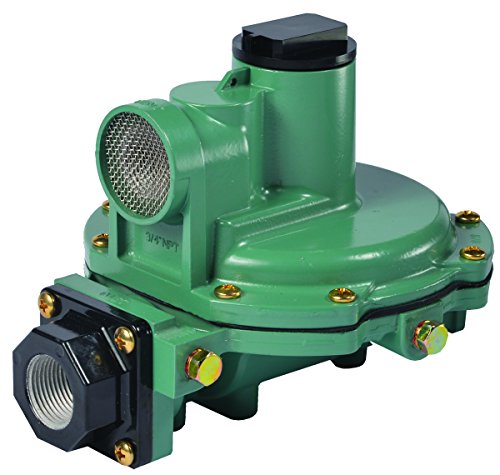
The Emerson-Fisher R622-DFF is designed to drop first-stage LP gas pressure to a stable 9–13 inches water column (WC) for second-stage regulation. It handles up to 1,400,000 BTU, ensuring pool heaters and other household gas equipment maintain consistent output during peak demand. The 3/4″ x 3/4″ FNPT connections align with common LPG fittings, reducing installation hassle. Best for homeowners running a high-demand pool heater alongside other LP appliances. Limitation: designed for residential LPG systems; commercial-scale needs may require different specifications.
R622H 1st Stage Regulator — BBQHKCX

BBQHKCX’s R622H is a first-stage regulator suitable for two-stage LP systems feeding second-stage regulators. It accepts up to 250 PSI inlet with a 4–12 PSI adjustable outlet and 3/4″ NPT connections, designed for residential heaters, generators, and outdoor cooking equipment. Best for: installations where a robust first-stage regulator is needed to support a pool heater and other outdoor appliances. Caution: Not intended for indoor use or low-pressure systems; professional installation is advised.
R622L 2nd Stage Regulator — BBQHKCX

The BBQHKCX R622L is a second-stage regulator tuned to 9–13″ WC, with 3/4″ NPT inlet/outlet and a high-capacity flow up to 1,600,000 BTU/hr. Built for home LP systems, it includes a built-in safety relief valve and a screened vent for enhanced protection. Best for: pool heaters that demand steady delivery and safety features. Limitation: appropriate for home or small commercial use; verify system pressure compatibility before pairing with a powerful outdoor heater.
Feirenql 2 Stage Propane Regulator With Gauge
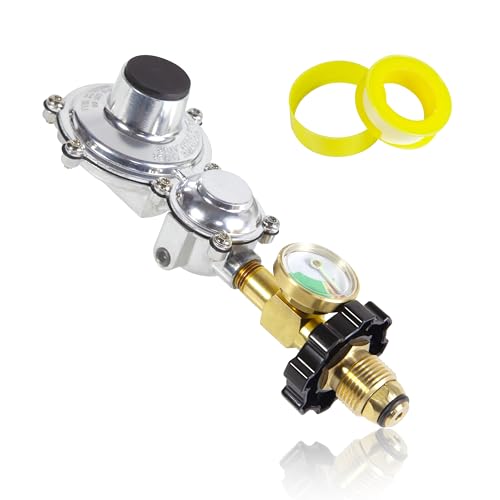
Feirenql’s two-stage regulator includes a gauge for real-time monitoring of remaining propane, plus a standard POL inlet and 11 WC output. It supports up to 16,000 BTU/hr and fits 20–100 lb tanks, making it a solid choice for outdoor heaters, grills, RVs, and generators. Best for: users who want visual pressure feedback and universal compatibility. Limitation: rated for lower BTU loads compared with some high-capacity models; confirm your pool heater’s BTU needs.
NUPICK Two Stage Regulator With Gauge

NUPICK’s two-stage regulator offers a gauge for easy monitoring and a standard POL inlet with a 3/8″ female NPT outlet. It supports 20–100 lb tanks and delivers around 11″ WC output with up to 160,000 BTU/hr. Best for: outdoor heaters paired with RVs, grills, or generators where visibility and reliability matter. Limitation: lower BTU output compared with some commercial-grade options; ensure it matches the pool heater’s requirement.
Roastove R622-DFF 2nd Stage Regulator

Roastove’s 2nd stage regulator mirrors the 9–13″ WC range and supports up to 1,600,000 BTU/hr, suitable for larger pool heating systems in commercial or heavy-use settings. Best for: pool heaters that operate alongside other large LP appliances. Limitation: designed more for commercial/industrial deployments; verify compatibility with your home pool system before purchasing.
Buying Guide: Pool Heater Propane Regulators
What matters most when selecting a pool heater regulator?
- BTU capacity: Match the regulator’s maximum BTU/hr to your pool heater’s demand to avoid under-supply or regulator strain.
- Second-stage pressure: Aim for a steady 9–13 in. WC output for reliable heater operation and minimal pressure fluctuations.
- First-stage compatibility: Ensure the regulator chain (first stage to second stage) is suitable for your LP setup and tank size.
- Fittings and connections: Prefer 3/4″ NPT inlet/outlet and standard POL-compatible interfaces to ease installation and replacements.
- Safety features: Built-in relief valves and gauge visibility help monitor leaks or pressure stress during outdoor use.
- Application scope: Choose models designed for residential pool heaters or outdoor heating systems if you’re primarily heating a home pool.
Practical questions to consider
- Will the regulator support simultaneous operation of a pool heater and other LP appliances? Look for high BTU ratings and two-stage design.
- Do you need a gauge for pressure awareness? Gauges simplify maintenance and leak detection.
- Is professional installation recommended? Some regulators require expert setup, especially in areas with strict ventilation and safety codes.
- Are the connections compatible with your existing tank and hoses? Confirm inlet/outlet sizes and thread types before purchasing.
Frequently Asked Questions
- What is a second-stage regulator for propane pool heaters?
It reduces the first-stage gas pressure to a stable level (typically 9–13 in. WC) for consistent heater performance. - Why do some regulators include gauges?
Gauges help monitor remaining propane and detect pressure changes, enhancing safety and planning. - Can I install a two-stage regulator myself?
Some setups allow DIY installation, but professional installation is advised for safety and code compliance. - What should I consider when pairing with a pool heater?
Check BTU/hour rating, inlet/outlet sizes, and whether the system supports multiple appliances running simultaneously. - Is a higher BTU regulator always better?
Not necessarily; choose a regulator with adequate capacity for your heater without oversizing complexity or risking improper regulation. - Do regulators work with all propane tanks?
Most two-stage regulators support 20–100 lb tanks, but verify the POL connection and flare fittings for your setup.