
Looking for a pellet stove around 50,000 BTU to heat a home, cabin, or shop efficiently? This guide highlights five top choices that balance heat output, hopper capacity, and smart features. Each option targets different living spaces and needs, helping you pick the best fit when space, fuel economy, and convenience matter most.
| Product | Best For | Key Benefit | Approximate Hopper |
|---|---|---|---|
| PelPro PP150 | Large homes and workshops | High BTU output near 50k with easy-dial temp control | 150 lb |
| Comfortbilt HP22 | Medium-to-large living spaces | Wide heating reach up to 2,800 sq ft and easy maintenance | 55 lb |
| Cleveland Iron Works Bayfront | Smart homes | Built-in WiFi; heats 1,800–2,500 sq ft | 66 lb |
| Cleveland Iron Works Large Pellet Stove | Smart control enthusiasts | Heats up to 3,000 sq ft with big hopper | 130 lb |
| US Stove 3,000 Sq. Ft. Pellet Stove | Budget-conscious large spaces | Up to 3,000 sq ft; robust BTU output | 170 lb |
PelPro PP150 Pellet Stove for Home Heating

The PelPro PP150 delivers near 49,200 BTU for heating up to 2,500 square feet. It’s designed for larger spaces such as older homes, small shops, cabins, and even mobile homes, with a 150-pound hopper and auto-ignition for convenient operation. Its EPA-certified efficiency helps maximize heat per load, often translating to fuel savings in daily use. The 150-lb hopper is among the largest in its class, and optional hopper extensions can expand capacity if you want fewer reloads. This model is best for buyers who prioritize strong heat output and long run times between refuels, especially in space-starved or multi-room layouts. Caution: Larger homes may still require supplemental heat during peak cold snaps, and proper stove placement is essential for safe combustion air supply.
Comfortbilt HP22 Wood Pellet Stove

The HP22 heats up to about 2,800 square feet with robust performance and a large viewing bay. While it’s not ventless, it emphasizes strong airflow via a 110-volt blower and straightforward cleaning. This stove suits buyers who want a solid heat source for mid-to-large living spaces with a visually appealing design. Its strong blower helps distribute heat evenly, but potential buyers should ensure proper venting and room clearance to meet safety guidelines. Best for: users who want a balance of powerful output and easy maintenance in a well-vented space.
Cleveland Iron Works Bayfront Pellet Stove
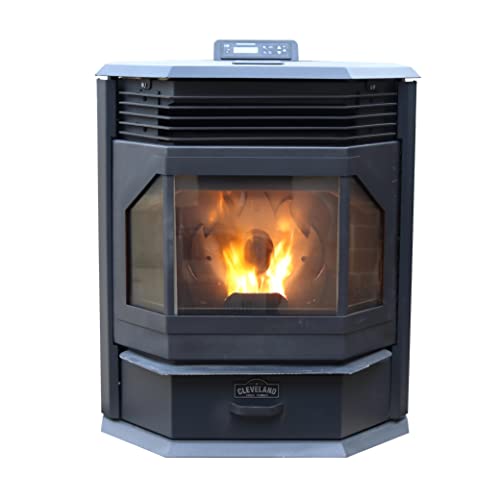
The Bayfront model emphasizes smart home features with built-in WiFi and a 66-pound hopper, heating up to 2,500 square feet. It suits tech-oriented buyers who want remote monitoring and control, plus a mid-sized hopper that reduces frequent refills. Caution: Hopper size is smaller than some high-heat competitors, so plan for refueling every several days in peak use. This option is best for those who value connected control and consistent warmth in living spaces of typical to larger size.
Cleveland Iron Works Large Pellet Stove

The Large Pellet Stove from Cleveland Iron Works focuses on a 130-pound hopper and smart control capabilities to heat up to 3,000 square feet. This model is a strong pick for bigger homes or open-concept layouts where long burn times between refuels are desirable. Best for: buyers who want maximum heat retention with fewer reloads while maintaining connected control. Limitation: Higher upfront cost and larger footprint require a suitable installation space and ventilation planning.
US Stove 3,000 Sq. Ft. Pellet Stove

The US Stove model is designed to heat up to 3,000 square feet with a sizable 170-pound hopper and a long runtime of up to 80 hours. It offers robust heating for large spaces and provides clean heat through a reliable burn cycle. Choose this stove if you want a balance between high heat output and extended operation without frequent refueling. Limitation: Heavier unit may require more substantial installation considerations and clearance around combustible materials.
Buying Guide: Key Considerations For 50,000 BTU Pellet Stoves
- Heat area vs. BTU: For spaces up to 2,500–3,000 sq ft, a stove around 40,000–50,000 BTU can be effective; for smaller rooms, oversizing can lead to short cycling and inefficiency.
- Hopper capacity and fuel economy: Larger hoppers reduce refueling frequency but add weight and footprint. Consider whether automatic hopper extensions are available or needed.
- Ventilation and installation: Most pellet stoves require proper venting and a safe clearance from walls and other materials. Verify local codes and any required venting components.
- Smart controls and connectivity: Built-in WiFi, app control, and thermostat integration can simplify operation and energy management.
- Maintenance and cleaning: Easy-to-clean designs with accessible burn pots and ash removal improve long-term performance.
- Fuel type and efficiency: Look for EPA-certified stoves with high efficiency ratings to maximize heat per bag of pellets.
How to Choose Based On Your Setup
- Small cabins or off-grid spaces: A model with good insulation, extensive run time, and battery backup options is ideal.
- Large living areas: Prioritize higher BTU output and a large hopper to reduce refueling even during very cold periods.
- Smart-home integration: If you value remote monitoring, select models with built-in WiFi and app control.
- Budget considerations: Compare initial cost with hopper size and heat area to estimate long-term value and fuel savings.
FAQ
- What size pellet stove do I need for 2,500 square feet? — For 2,500 sq ft, a stove offering around 40,000–50,000 BTU is typically suitable, depending on insulation and climate.
- Is a larger hopper always better? — A larger hopper reduces refueling frequency but increases weight and footprint; balance with space and maintenance needs.
- Do pellet stoves require professional installation? — Most installations should follow local codes and often require professional venting and clearance setup.
- Which features help save energy? — EPA efficiency ratings, automatic thermostats, and smart controls help maximize heat with stable room temperature.
- Can pellet stoves be used in mobile homes? — Some models are designed or approved for mobile-home use; check manufacturer guidance and local regulations for venting and air supply.
- How does hopper size affect heat output? — Hopper size affects run time between refuels, not the stove’s immediate BTU output; larger hoppers enable longer continuous operation.