
In this guide
- TRUSTECH Greenhouse Heater with Thermostat
- SEEYANG Outdoor Patio Heaters – 1500W
- DR Infrared Heater DR-238
- Buyplus Outdoor Heaters for Patio
- NFCRA Outdoor Electric Patio Heater (42 Inch)
- Buying Guide: Key Considerations For Outdoor Shed Heaters
- Operational Considerations
- Comparison At A Glance
- Usage Scenarios And Recommendations
- Final Thoughts On Outdoor Shed Heating Options
Choosing the right outdoor shed heater can extend the use of a garden shed, greenhouse, or workshop well into colder months. This guide examines five top options designed for outdoor use, safe operation, and efficient warmth. Each product below is evaluated on heat performance, safety features, and ease of use, helping you compare at a glance and pick the best fit for your space.
| Product | Power | Key Benefit | Best For |
|---|---|---|---|
| TRUSTECH Greenhouse Heater | 1500W | Fast heat, adjustable tilt, thermostat | Greenhouses and workspaces |
| SEEYANG Outdoor Patio Heater | 1500W | Rapid heating, 3 modes | Patios, tents, outdoor spaces |
| NFCRA Outdoor Electric Patio Heater (42 inch) | 1500W | Carbon infrared, long-range warmth | Large outdoor areas |
| Buyplus Outdoor Heater | 1500W | 3 modes, overheat protection | Garages, patios, tents |
| DR Infrared Heater DR-238 | 900-1500W | Indoors and outdoors, infrared heat | Patios and garages |
TRUSTECH Greenhouse Heater with Thermostat
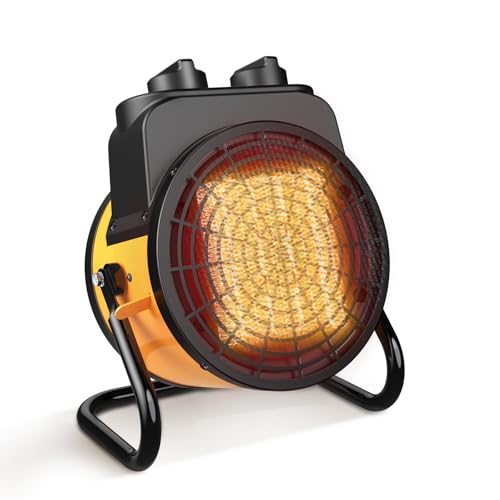
The TRUSTECH greenhouse heater uses advanced PTC ceramic technology and a built-in fan to deliver warm air quickly. In as little as three seconds, the unit reaches heat with multiple power options: High (1500W), Low (750W), or a Natural Wind mode to circulate air without heavy heating. This versatility makes it suitable for small greenhouses, flower rooms, and light workshops. A built-in thermostat maintains steady warmth, and overheat protection with ETL certification offers safety for households, including nighttime use. The 90-degree tilt plus thermostat control lets users direct heat where needed for consistent comfort.
SEEYANG Outdoor Patio Heaters – 1500W

SEEYANG’s 1500W outdoor heater features rapid heating with a 2600 RPM high-speed fan, delivering warmth in about two seconds. It provides three modes: 25W natural air, 750W low heat, and 1500W high heat, allowing flexible use across seasons—from toasty winter evenings to circulating air in warmer months. The unit is designed for outdoor patios, tents, and larger indoor spaces where quiet operation is valued, delivering comfortable warmth with minimal noise and energy use. Its compact form makes installation in sheds or covered porches straightforward.
DR Infrared Heater DR-238
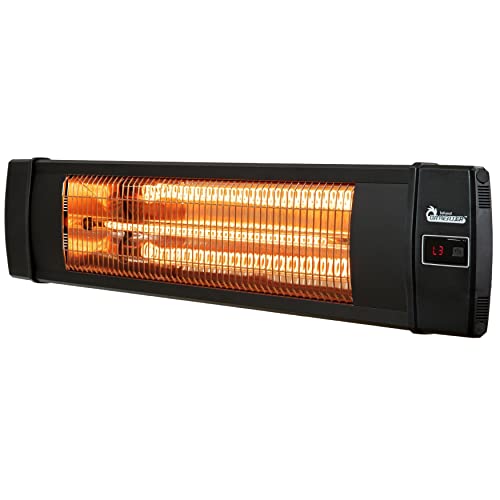
The DR Infrared Heater DR-238 is approved for both indoor and outdoor use (IP55). It provides clean, instant heat via infrared with three power settings: 900W, 1200W, and 1500W. This model operates on standard 120V, 60Hz and is designed for plug-and-go setup. The infrared heat is often perceived as more natural and comfortable, making it suitable for outdoor decks or garages where a fast return on warmth is desired without humidity buildup. A remote control further enhances convenience for shed environments where access can be limited.
Buyplus Outdoor Heaters for Patio

Buyplus offers a 1500W outdoor heater designed for versatility in garages, patios, and tents. Rapid heating in about three seconds makes it effective for quick warming when you enter a shed. The heater provides three operating modes—fan only, 750W, and 1500W—so users can balance energy use with comfort. Overheat protection and a self-resetting thermal cutoff help prevent unsafe conditions during extended use. The unit is suitable for year-round use, from winter warmth to providing air movement during warmer months.
NFCRA Outdoor Electric Patio Heater (42 Inch)
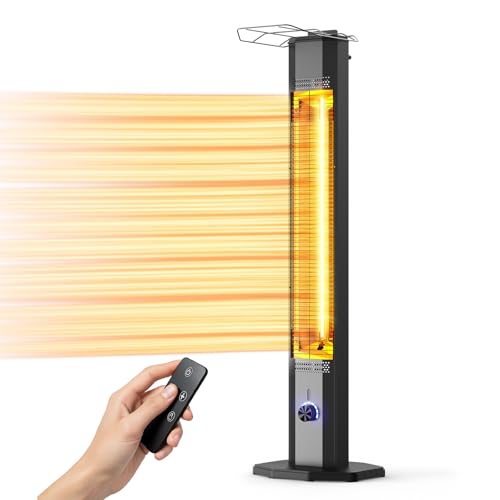
The NFCRA 42-inch infrared tower heater delivers warmth with a tall, full-body heat distribution. With 9 heat settings and a built-in timer, it suits patios, decks and large outdoor spaces where a steady, ambient heat is desirable. The unit uses carbon infrared elements to mimic sunlight, creating a pleasant warmth without drying the air. The IPX5 waterproof rating and safety features, including tip-over and overheat protection, enhance reliability for shed use in varying weather. A remote control adds convenience for controlling heat from across a shed or workshop.
Buying Guide: Key Considerations For Outdoor Shed Heaters
Choosing the right outdoor shed heater involves balancing heat output, safety, and space constraints. Consider the following factors to select a model that fits your shed’s size and climate.
- Heat output vs. space: Measure your shed area (length x width x height) to estimate BTU or wattage needs. A 1500W heater is often suitable for small-to-medium sheds, but you may require more power for larger spaces or very cold climates.
- Heat delivery method: Infrared heaters warm objects and people directly, offering quick warmth and often lower air temperature changes. PTC ceramic heaters provide rapid air warmth and can be good for spaces with poor insulation.
- Safety features: Look for overheat protection, tip-over switches, ETL or UL certification, and a thermostat to prevent temperature swings. Weatherproof ratings (IP ratings) are essential for exposed sheds.
- Portability and setup: Consider whether you need a freestanding unit, wall-mounted option, or a tower design. A tilt mechanism or adjustable head helps direct heat where needed.
- Noise and air quality: Low-noise operation and filtered air movement minimize disruption in finished sheds used as workshops or studios.
- Energy efficiency: Models with multi-heat settings and timers help manage energy use, especially when you only need intermittent warmth.
- Durability and weather resistance: Outdoor-rated heaters should have robust casings and weatherproof/connectivity considerations for shed use.
- Maintenance: Look for easy-to-clean grilles and components. Some units include remotes for convenience in tight spaces.
Operational Considerations
Before installing, ensure proper placement away from combustible materials, and consider a heat-safe pedestal or stand to prevent heat concentration near walls. For shed owners with limited electricity, choose models with lower startup surges and efficient heat distribution. When not in use, switch to an energy-saving mode or timer to reduce running costs. Regularly inspect power cords and connections for wear, especially in damp shed environments.
Comparison At A Glance
Infrared versus convection-style heaters each have merits for shed use. Infrared heaters deliver warmth quickly and are well-suited for open, drafty spaces. Convection or ceramic heaters can provide consistent air warmth over time, which may feel more comfortable in a sealed shed. For sheltered sheds, a combination approach—an infrared unit for rapid heat and a ceramic unit for sustained warmth—can offer balanced comfort and efficiency.
Usage Scenarios And Recommendations
Greenhouses and flower rooms benefit from models with thermostat control and reliable safety protections. Patios and tents in temperate climates respond well to high-heat settings with quick warm-up times. Garages and workshops often require a taller or more robust heater with extended heat distribution and durable casings. Always verify that the heater’s IP rating matches your shed’s exposure to rain or humidity.
Final Thoughts On Outdoor Shed Heating Options
With multiple 1500W options available, selecting a heater for an outdoor shed is a balance of speed, safety, and space fit. The featured models offer diverse approaches—fast air warmth, infrared comfort, and robust safety features—so you can tailor warmth to your shed’s unique environment. For best performance, pair a heater with proper insulation and a simple circulating fan to maintain even temperatures without excessive energy use.