
Answering the key buyer intent: choosing a reliable oil-fired torpedo heater that delivers strong warmth for large spaces, garages, or outdoor work areas. This guide highlights five top models and explains who each is best for, with practical buying considerations and clear, compare-friendly details. If you need dependable heat with strong BTU output, these options cover residential use, small-to-medium workshops, and larger commercial spaces.
| Product | Best For | Approximate Space Coverage |
|---|---|---|
| Dayton 10 gal, 125,000 BTU | Large garages and open spaces | 2900 sq ft |
| Dayton 5.0 gal, 75,000 BTU | Medium workshops and construction sites | 1700 sq ft |
| Dayton 13 gal, 170,000 BTU | Heavily occupied spaces and larger shops | 4000 sq ft |
| VEVOR 13.2 gal diesel heater | Indoor/outdoor mixed-use and heavy-duty needs | Large spaces |
| VEVOR 125,000 BTU torpedo heater | Job sites, garages, and warehouses | Mid to large spaces |
Best Overall: Dayton 10 Gal Oil Fired Torpedo Heater

The Dayton 10 gal model delivers 125,000 BTU and heats up to about 2900 sq ft. This unit is best for large garages, workshops, or construction zones that require steady, high-output warmth. Its larger fuel capacity means fewer refills in extended use. Choose this if you need robust heating for expansive spaces and longer operation times without frequent maintenance stoppages.
Who it’s best for: contractors, shop owners, and homeowners with sizable, drafty spaces. Why selected: high BTU output and generous tank capacity, enabling sustained warmth in larger areas. Caution: heavier and bulkier to move; ensure proper clearance and ventilation.
Balanced Power: Dayton 5 Gallon, 75,000 BTU Heater

This model provides 75,000 BTU suitable for medium-sized spaces and works well in unfinished basements or smaller shops. Its smaller fuel capacity makes it lighter and easier to reposition, which is useful for occasional heating in variable layouts. It’s best for users who need reliable warmth without the bulk of larger units.
Who it’s best for: DIY enthusiasts, small contractor projects, or spaces where mobility matters. Why selected: a strong balance of heat output and portability. Caution: may require more frequent refueling in longer work sessions.
High-Output Choice: Dayton 13 Gal, 170,000 BTU

With 170,000 BTU and coverage up to 4000 sq ft, this model is built for large, busy spaces. It’s a robust choice for cold-weather job sites, large garages, or open-plan shops that demand rapid, broad heating. Best for environments where downtime for heating is minimized and heat must reach far corners efficiently.
Who it’s best for: large commercial spaces, manufacturing floors, or multi-zone workshops. Why selected: top-end BTU output and expansive coverage. Caution: higher fuel consumption and heavier footprint; ensure outdoor venting and proper clearance.
Industrial-Grade Durability: VEVOR 13.2 Gal Diesel Heater (Kerosene)
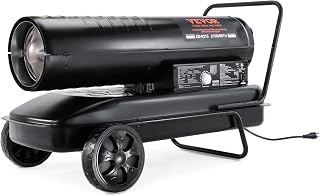
This heavy-duty option is designed for heavy workloads, outdoor-adjacent shop spaces, and mixed indoor-outdoor use. It features a large tank, thermostat, and wheels for mobility, making it versatile for larger sites where weather changes require flexible heating. Best for: industrial settings that demand reliability under demanding conditions.
Who it’s best for: shop floors, garages, and construction sites needing sustained, durable heat. Why selected: robust build and long run-time. Caution: heavy and may require professional setup for optimal venting and safety.
Versatile Mobility: VEVOR 125,000 BTU Torpedo Heater

This unit provides 125,000 BTU and includes wheels and an adjustable thermostat for flexible settings across garages, warehouses, and job sites. It’s a solid middle-ground option for users who want strong heat without the largest size. Choose this if you need a portable yet powerful heater that can move between spaces easily.
Who it’s best for: mechanics, contractors, and small industrial operations. Why selected: easy transport and solid heat output. Caution: ensure proper ventilation in enclosed spaces to avoid carbon monoxide risks.
Buying Guide: Key Considerations for Oil Fired Torpedo Heaters
- Space coverage vs BTU: Larger spaces require higher BTU and fuel capacity. Match BTU to square footage for efficient heating without overworking the unit.
- Fuel type and efficiency: Oil-fired units typically run on kerosene or diesel. Consider efficiency features like thermostats and ignition systems to minimize fuel use.
- Portability and setup: Wheels and handles improve mobility for job sites. Factor weight and dimensions into your space layout and venting needs.
- Ventilation and safety: Proper ventilation is essential. Ensure carbon monoxide detectors are present and follow all safety guidelines for enclosed spaces.
- Fuel availability and maintenance: Confirm fuel availability in your area and plan for regular maintenance, including fuel filtration and burner checks.
- Usage scenario: For frequent, long-duration heating, select models with larger tanks to reduce refueling interruptions. For occasional use, lighter units may suffice.
Frequently Asked Questions
- What size heater do I need for a 2000 sq ft workshop?
– A heater in the 75,000 BTU to 125,000 BTU range often suits mid-sized workshops, depending on insulation and climate. - Are oil-fired torpedo heaters safe for indoor use?
– They can be safe when used with proper ventilation, CO monitoring, and adherence to manufacturer guidelines. - How often should I refuel an oil-fired heater during continuous use?
– Refueling frequency depends on tank size and burn rate; larger tanks reduce refueling but require careful handling. - Can these heaters be used outdoors?
– Some models are suitable for mixed indoor/outdoor use, but verify venting requirements and weather protections for your space. - Is a thermostat advisable on these heaters?
– Yes. A thermostat helps maintain steady temperatures and can improve fuel efficiency in variable spaces. - What maintenance steps are important?
– Regular burner checks, fuel quality control, and ensuring proper air flow and venting are essential for safe operation.