
In this guide
For garages that require steady warmth without relying on electricity, natural gas heaters around the 30,000 BTU mark offer reliable, high-output options. This guide highlights five models that balance heat, safety, and ease of installation, helping you compare vented and ventless choices, plus unit sizes that fit standard garage spaces. Whether you need quick warming for a workshop, car maintenance area, or hobby space, these units cover a range of installation styles while prioritizing safety and efficiency.
| Product | Brand | BTU | Vent Type | Approx. Coverage | Link |
|---|---|---|---|---|---|
| ProCom MN300TBA-B | ProCom | 30,000 | Ventless | Up to 1,400 sq. ft. | Product Link |
| ProCom MN300HBA-B | ProCom | 30,000 | Ventless | Up to 1,400 sq. ft. | Product Link |
| Mr. Heater Vent Free Radiant MHVFRD20NGT | Mr. Heater | 30,000 | Vent Free | Up to 1,000 sq. ft. | Product Link |
| Modine HD45AS0111 Natural Gas Hot Dawg | Modine | 45,000 | Ventless/vented options | Typically larger garages | Product Link |
| Mr. Heater F272800 40,000 BTU MH40NG | Mr. Heater | 40,000 | Vent/Wall Mount | Medium to large garages | Product Link |
ProCom MN300TBA-B Ventless 30,000 BTU

Technology and output: This compact Blue Flame mini heater delivers 30,000 BTU using natural gas and heats up to 1,400 sq. ft. It is designed for both home and office spaces, with thermostat control offering High/Medium/Low settings. The unit’s slim profile fits in smaller rooms while providing robust warmth. It can be wall-mounted using included hardware or placed on the floor with base feet for flexible installation.
Safety and operation: The MN300TBA-B includes an Oxygen Depletion Sensor (ODS) with automatic shut-off to prevent unsafe oxygen levels. Its ventless design reduces installation complexity, making it a common choice for garages that lack existing venting. The unit emphasizes consistent heat distribution without requiring external power for ignition.
ProCom MN300HBA-B Ventless 30,000 BTU
Key features: This 30,000 BTU ventless heater is designed for spaces up to 1,400 sq. ft., with a slim, modern profile and wall-mount or base feet installation. It uses natural gas and includes a thermostat control for High/Medium/Low settings, enabling efficient heat distribution across larger garage layouts. The unit concentrates heat where it’s needed and supports year-round use with reliable ignition.
Installation and safety: The MN300HBA-B relies on a built-in oxygen depletion sensor and automatic shut-off to maintain safe operation indoors. Its ventless configuration reduces setup time, but it’s important to supply adequate ventilation in enclosed spaces per local codes.
Mr. Heater Vent Free Radiant 30,000 BTU MHVFRD20NGT

Performance overview: This vent-free radiant heater provides 30,000 BTU, with infrared technology designed to warm objects and people directly, covering spaces up to about 1,000 sq. ft. The radiant approach offers quick warmth and a cozy feel in garages, patios, or cabins. It is intended to be used as supplemental heat and supports safe operation with multiple safety measures.
Safety and operation: It includes an automatic low-oxygen shut-off system that detects oxygen depletion and cuts gas to prevent hazardous conditions. This model is best for spaces where added warmth is needed without a full-home heating system, though proper venting advice from local codes should be followed.
Modine HD45AS0111 45,000 BTU Natural Gas Heater
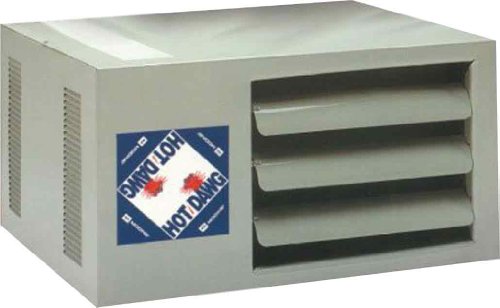
Overview: The Modine HD45AS0111 is a 45,000 BTU natural gas heater designed for larger spaces, with a low-profile form and suitability for residential, commercial, or industrial use. It emphasizes quiet operation and a neutral appearance, making it a versatile option for garages that require more heat than a 30k model can deliver.
Install and performance notes: This unit is commonly configured for either vented or vent-free installations depending on the model variant and local code compliance. Clearances and mounting considerations should follow manufacturer guidance to maintain safe operation and optimal efficiency.
Buying Guide: Key Considerations When Choosing a 30,000 BTU Natural Gas Garage Heater
- BTU rating and space size: A 30,000 BTU heater typically serves 800–1,400 sq. ft. depending on insulation, ceiling height, and climate. For garages with poor insulation or higher ceilings, sizing up or selecting a radiant/infrarred option may improve comfort.
- Vent type and installation: Ventless units offer easier installation and flexible placement but require careful attention to indoor air quality and oxygen levels. Vent-free models require room ventilation and adherence to local codes; vented options may need proper ducting but sometimes offer broader placement opportunities.
- Fuel and connection: Ensure your fuel line is compatible with natural gas and that the unit’s inlet pressure matches your supply. Some models operate on natural gas only and do not require electricity, which can be advantageous during power outages.
- Thermostat and control: Thermostat-equipped units help maintain a steady temperature and reduce energy use. Decide between wall controls and inline controls based on installation location and convenience.
- Safety features: Look for oxygen depletion sensors (ODS), automatic shut-off, flame sensing, and high-limit switches. Vent-free models should include robust safety features due to enclosed space heating.
- Installation considerations: Ceiling clearance, wall mounting options, and clearance to combustibles vary by model. Some units require dedicated gas lines and professional installation; others allow simpler mounting with minimal electrical requirements.
- Maintenance and reliability: Consider brands with durable components, accessible parts, and broad service networks. Regular inspection of gas lines and venting (where applicable) helps ensure long-term safety and performance.
- Energy efficiency and running costs: While BTU output is a primary factor, efficiency ratings and ignition systems influence operating costs over time. Vent-free heaters may have slightly different efficiency profiles than vented models depending on usage patterns.
When choosing among these options, prioritize heat output suitable for your garage size, whether you prefer ventless simplicity or a vented setup, and the safety features that align with local building codes. The models highlighted here cover a range of configurations—blue-flame ventless designs, radiant vent-free options, and larger BTU units—to help you compare performance, installation needs, and safety considerations for a practical garage heating solution.