
If you’re looking for reliable heating for a boat, RV, or small cabin, these marine-grade solid fuel and diesel heaters deliver steady warmth and practical features. The top picks here suit sailors, liveaboards, and travelers who need compact, safe, and efficient heat sources in tight spaces. Each option includes practical notes on installation, fuel type, and where it shines. Below is a quick buyer table to compare essentials at a glance.
| Product | Fuel Type | Best For | Notes |
|---|---|---|---|
| Dickinson Marine Solid Fuel Heater for Newport | Solid fuel | Small boats needing chimney-fed heat | Requires 3″ chimney parts; barometric damper recommended |
| Dickinson Marine Newport Diesel Bulkhead Mount Heater | Diesel / Kerosene / Stove Oil | Bulkhead-installable marine heating | 12V combustion assist fan included |
| Ecojoy 12V 8KW Diesel Heater | Diesel | Mobile spaces like boats, RVs, or trucks | Remote control; long burn with a 1.32 gal tank |
| VEVOR 8KW Diesel Heater | Diesel | RVs, boats, trailers needing efficient heating | Digital display; low noise; 10L fuel tank |
| Xtreme Heaters Boat, Cabin & RV Heater | Electric/dual-purpose (diesel-ready) | Portable, small spaces | Overheat and tip-over protection |
Dickinson Marine Solid Fuel Heater for Newport

Best for boat owners who want a dedicated solid-fuel solution in a compact footprint. This heater supports a 3-inch chimney system and performs best with a straight 6-foot run, avoiding elbows for optimum draft. A barometric damper is highly recommended for stable operation and to manage backdraft. Limitations include chimney planning requirements and higher setup complexity compared with some diesel options.
Dickinson Marine Newport Diesel Bulkhead Mount Heater
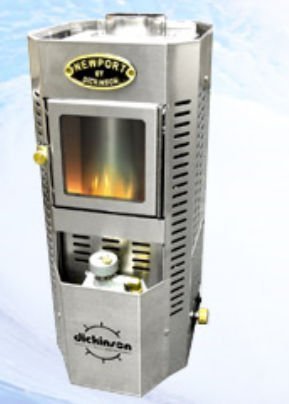
Best for boaters needing a bulkhead-installed diesel heater with flexible fuel options. It delivers a heat output range of 6,500–16,250 BTU and includes a 12V combustion assist fan. Choose this if you prefer diesel, kerosene, or stove oil and want a compact marine unit mounted inside a hull wall. Caution: installation must accommodate a suitable fuel line and venting plan.
Diesel Heater 12V 8KW Ecojoy

Best for boats and RVs requiring fast, efficient heating with remote control access. The Ecojoy unit heats 215 ft²–269 ft² in about 10 minutes and features a large 1.32-gallon fuel tank for extended runs. It supports remote operation up to 32 feet and includes a quiet pump for low fuel consumption. Limitation: higher upfront cost compared to basic propane heaters.
VEVOR 8KW Diesel Heater
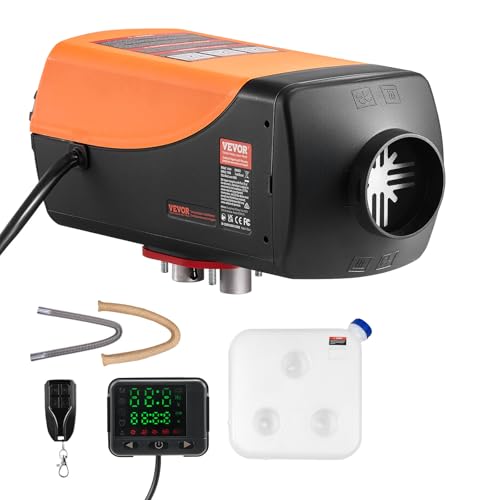
Best for vehicles and boats needing reliable heat with a compact footprint. It runs on DC 12V–24V and uses a 10-liter tank to deliver steady warmth with a claimed 1 gallon per night fuel consumption. The unit includes a color digital display for easy monitoring. Consider space for the unit and venting in tight engine rooms.
Xtreme Heaters Boat, Cabin & RV Heater

Best for portable heating in marine and small living spaces. This unit emphasizes safety with overheat and tip-over protection, maintaining a quiet profile ideal for cabins, boats, and RV bays. The compact form supports versatile placement, though you should ensure proper ventilation and clearance from flammable materials.
Buying Guide
What should you consider before buying a marine heater? Here are key factors and practical questions to guide your choice.
- Fuel type: Do you prefer diesel, kerosene, stove oil, or solid fuel? Diesel options typically offer longer burn and easier fueling on boats, while solid-fuel units can be simpler in some older setups.
- Installation: Is bulkhead mounting needed, or do you want portable heating? Bulkhead units save space but require precise installation work.
- Ventilation and exhaust: Will your space support venting for solid-fuel or exhaust routing for diesel units? Proper venting is essential for safe operation.
- Power and controls: Do you want remote control, digital displays, or simple on/off operation? Battery capacity or 12V DC power can influence use on boats.
- Runtime and fuel capacity: How long should the heater run on a full tank? Larger tanks provide longer operation between refuels but add weight and space considerations.
- Safety features: Look for auto shut-off, tip-over protection, and temperature controls to prevent overheating and fires.
Helpful buying tips
- Plan chimney and venting spacing early to avoid install problems on tight boats or cabins.
- Match heat output to space size to avoid over- or under-heating.
- Consider maintenance accessibility for diesel and solid-fuel systems.
FAQ
- What fuel type is best for marine heating? Diesel and kerosene are common for boats due to available onboard storage and efficient burn; solid-fuel heaters require different installation considerations and chimney setup.
- Do marine heaters require professional installation? Some units can be installed by experienced DIYers, but bulkhead mounts and venting often benefit from professional installation.
- Are portable heaters safe for boats? Portable heaters with automatic shut-off and tip-over protection are safer for small spaces, but ensure proper ventilation and placement away from flammables.
- What maintenance do diesel heaters need? Regular fuel checks, vent cleaning, and inspecting exhaust and hoses help prevent blockages and ensure efficient operation.
- Can I run a diesel heater at high altitudes? Some units are designed to operate at higher altitudes, but performance may vary; check product specifications for altitude ratings.
- Is a barometric damper necessary for solid-fuel heaters? A barometric damper helps stabilize draft in some installations, reducing back-draft risk and improving efficiency.