
In this guide
- YeloDeer Internal In-Pipe Heating Cable, 50 Ft
- TOPDURE GFCI In-Pipe Heat Tape, 50ft
- TOPDURE Internal Pipe Heat Tape 3W/Ft, 10ft
- <a href="https://www.amazon.com/sspa/click?ie=UTF8&spc=MToyMjg3MDI2MzMzNzAzMjU0OjE3ODk5MzE2Mzc6c3Bfc2VhcmNoX3RoZW1hdGljOjMwMDQ4MDQ0NDYzOTIwMjo6MDo6&url=%2FCupohus-Thermostat-30FT-Protection-Self-Regulating%2Fdp%2FB0CC18YJK3%2Fref%3Dsxin_15_pa_sp_search_thematic_sspa%3Fcontent-id%3Damzn1.sym.f3ef5b6e-928d-46a7-b777-dc583fd8199d%253Aamzn1.sym.f3ef5b6e-928d-46a7-b777-dc583fd8199d%26cv_ct_cx%3Dinternal%2Bwater%2Bpipe%2Bheater%26keywords%3Dinternal%2Bwater%2Bpipe%2Bheater%26pd_rd_i%3DB0CC18YJK3%26pd_rd_r%3D305381a4-641f-41a6-b43b-8633dd27af16%26pd_rd_w%3DcEhMU%26pd_rd_wg%3DaoPGG%26pf_rd_p%3Df3ef5b6e-928d-46a7-b777-dc583fd8199d%26pf_rd_r%3DTPYDZXCCSP1FGH2AMTPE%26qid%3D1789931637%26sbo%3DRZvfv%252F%252FHxDF%252BO5021pAnSA%253D%253D%26sr%3D1-1-6024b2a3-78e4-4fed-8fed-e1613be3bcce-spons%26aref%3DL9FOiRRmP6?tag=lumberjack00e-20
- 79.5Ft Deicing Heat Tape For Water Pipes
- Buying Guide: Key Considerations For Internal Pipe Heaters
- Practical Questions To Guide Your Choice
- FAQ
Answering the need for inside-pipe heat solutions, these internal water pipe heaters protect against freezing without exposing external cables. They’re best for homeowners with buried or wall-encased pipes, facility managers overseeing water lines, and renters seeking reliable freeze protection without external installation. This guide compares five top options, highlighting who benefits most and why.
Quick Reference
- YeloDeer CSA 120V 50 Ft In Pipe Heating Cable – Best overall for internal-in-pipe protection and CSA-certified safety.
- TOPDURE Drinking Water Pipe Heating Cable with GFCI – Best for certified safety and underground piping.
- TOPDURE Internal Pipe Heat Tape 3W/FT – Best compact option with self-regulating tech.
- Cupohus 30FT Self-Regulating Heat Tape – Best with digital display for easy monitoring.
- 79.5FT Deicing Heat Tape – Best long run option for extensive piping networks.
YeloDeer Internal In-Pipe Heating Cable, 50 Ft
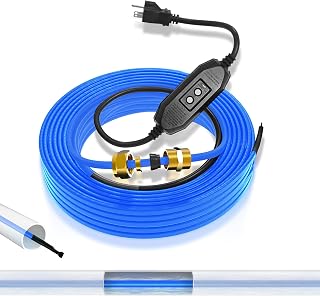
Best for: Homeowners with underground or wall-embedded pipes needing inside-the-pipe heating without outdoor exposure. This cable is CSA-certified under the latest 2026 standards, prioritizing electrical safety and drinking water safety. It self-regulates to prevent overheating and keeps water flowing during cold snaps.
Why chosen: The internal-in-pipe design minimizes external damage risk and delivers stable freeze protection for hidden pipes. The self-regulating technology adapts to ambient conditions, reducing energy use while maintaining protection. Suitable for long-term installations in challenging environments.
Limitations: External access to the pipe isn’t required, but installation requires careful routing inside the pipe and adherence to local building codes. No hands-on testing data is provided here; rely on CSA certification as a safety proxy.
TOPDURE GFCI In-Pipe Heat Tape, 50ft

Best for: Settings requiring strong safety standards and concealed installation, including underground runs. The in-pipe design delivers efficient freeze protection while keeping cables hidden from view.
Why chosen: CSA NSF61 Certification ensures safety for drinking water applications, making it a trusted choice for households and facilities. Smart self-regulating technology adjusts heat output automatically, supporting energy savings and minimizing overheating risks.
Limitations: Self-regulating heat may still require periodic inspection to confirm continuous protection in extreme climates. Ensure compatibility with existing piping materials and wall cavities before installation.
TOPDURE Internal Pipe Heat Tape 3W/Ft, 10ft
Best for: Small-diameter or short pipe runs where a compact, self-regulating solution is preferred. Ideal for budgets tight on length but heavy on reliability.
Why chosen: It features CSA NSF61 certification and in-pipe installation benefits, delivering heat directly from inside the pipe for faster protection. The self-regulating mechanism adjusts heat with ambient temperature, balancing performance and energy use.
Limitations: At 10 feet, this option is shorter than other models and may not cover long sections of pipe in a single run. Plan for multiple segments if your system spans a large area.
<a href="https://www.amazon.com/sspa/click?ie=UTF8&spc=MToyMjg3MDI2MzMzNzAzMjU0OjE3ODk5MzE2Mzc6c3Bfc2VhcmNoX3RoZW1hdGljOjMwMDQ4MDQ0NDYzOTIwMjo6MDo6&url=%2FCupohus-Thermostat-30FT-Protection-Self-Regulating%2Fdp%2FB0CC18YJK3%2Fref%3Dsxin_15_pa_sp_search_thematic_sspa%3Fcontent-id%3Damzn1.sym.f3ef5b6e-928d-46a7-b777-dc583fd8199d%253Aamzn1.sym.f3ef5b6e-928d-46a7-b777-dc583fd8199d%26cv_ct_cx%3Dinternal%2Bwater%2Bpipe%2Bheater%26keywords%3Dinternal%2Bwater%2Bpipe%2Bheater%26pd_rd_i%3DB0CC18YJK3%26pd_rd_r%3D305381a4-641f-41a6-b43b-8633dd27af16%26pd_rd_w%3DcEhMU%26pd_rd_wg%3DaoPGG%26pf_rd_p%3Df3ef5b6e-928d-46a7-b777-dc583fd8199d%26pf_rd_r%3DTPYDZXCCSP1FGH2AMTPE%26qid%3D1789931637%26sbo%3DRZvfv%252F%252FHxDF%252BO5021pAnSA%253D%253D%26sr%3D1-1-6024b2a3-78e4-4fed-8fed-e1613be3bcce-spons%26aref%3DL9FOiRRmP6?tag=lumberjack00e-20

Best for: Users who want a monitored setup with a visible display to track heat levels and status. This model includes a digital readout for quick checks.
Why chosen: The self-regulating design, combined with a digital display, helps users optimize energy use while keeping pipes safe. The in-pipe installation maintains aesthetics and reduces exposure to environmental damage.
Limitations: Longer runs may require multiple units to cover all sections, and the digital display may add a slightly higher upfront cost. Verify compatibility with pipe materials and insulation in older homes.
79.5Ft Deicing Heat Tape For Water Pipes

Best for: Large pipe networks or long runs where a single long cable reduces the need for multiple segments. Suitable for detached garages, shop buildings, or wide residential systems.
Why chosen: This model offers a long run length with robust deicing capability, making it practical for extensive freeze protection. Self-regulating features still apply, helping manage energy use across a broad setup.
Limitations: Very long cables can be harder to install through tight bends or fittings. Ensure insulation around exposed sections to maximize efficiency and prevent heat loss.
Buying Guide: Key Considerations For Internal Pipe Heaters
- Certification and safety: Look for CSA/NSF61 certifications to confirm suitability for drinking water and electrical safety.
- Installation type: In-pipe versus external installation affects protection level, aesthetics, and accessibility for maintenance.
- Self-regulating technology: Self-regulating heating adapts to temperature, conserving energy and reducing overheating risk.
- Pipe compatibility: Confirm material compatibility (PVC, copper, PEX, etc.) and pipe diameter coverage to ensure proper contact and heat transfer.
- Length and coverage: Measure pipe runs to select sufficient cable length or multiple segments without gaps in protection.
- Monitoring features: Digital displays or simple indicators help track heat status and enable proactive maintenance.
Practical Questions To Guide Your Choice
- Is internal installation required or preferred for hidden pipes?
- Do you need GFCI protection or is standard safety certification enough?
- Will the pipes be in extreme cold or prone to long freezes, requiring a long run?
- What is your pipe material and diameter, and can the cable accommodate it?
- How important is real-time heat monitoring to you?
FAQ
- Are internal pipe heaters safe for drinking water? Yes, many options carry CSA and NSF61 certifications, indicating safety for drinking water applications.
- Do these cables self-regulate? Most listed models feature self-regulating technology that adjusts heat output based on temperature, reducing energy use and overheating risk.
- Can I install these cables myself? Installation typically requires following manufacturer instructions and may involve accessing pipes inside walls or buried lines; professional guidance is advised for complex setups.
- What is the advantage of in-pipe installation over external heating cables? Internal installation heats the water directly from within the pipe, often providing faster response and protecting cables from external damage.
- How long should a cable be for my system? Measure the total pipe length to ensure full coverage; longer runs may require multiple sections or longer cables.
- What maintenance is needed after installation? Periodic inspection for wear, insulation condition, and ensuring no moisture intrusion is advisable, along with verifying ongoing certification validity.