
In this guide
Winter needs reliable warmth from heaters that manage energy efficiently and operate safely. This article highlights a curated set of infrared and kerosene heaters from top brands, with quick-reference details to help you compare features like safety shutoffs, heat output, and fuel type. Each item below is chosen for strong performance in American homes, offices, and outdoor spaces, backed by user-friendly controls and notable safety features.
| Product | Brand | Fuel Type | Notable Feature |
|---|---|---|---|
| Dr Infrared Heater Portable Space Heater, Original, 1500-Watt, Cherry | DR. INFRARED HEATER | Electric infrared | Infrared quartz + PTC, remote, auto energy saving |
| Heat Storm HS-1500-PHX-WIFI Infrared Heater | Heat Storm | Electric infrared | Wi-Fi control, wall mount, space saving |
| Dr Infrared Heater DR-238 Carbon Infrared Outdoor Heater | DR. INFRARED HEATER | Electric infrared | Indoor/outdoor use, remote control |
| Dyna-Glo Indoor Kerosene Convection Heater WK95C8 | Dyna-Glo | Kerosene | Up to 23,800 BTU, 1,000 sq ft, no electricity needed |
| Sengoku Indoor & Outdoor Kerosene Heater | KeroHeat | Kerosene | 23,500 BTU, portable, safety features |
| VEVOR Kerosene Forced Air Heater | VEVOR | Kerosene | 215,000 BTU, thermostat, dual fuel options |
The following sections introduce five standout options. Each product section provides a concise overview, key features drawn from the official listings, and practical notes to help you weigh heat output, fuel needs, and safety considerations.
Dr Infrared Heater DR-238 Carbon Infrared Outdoor Heater
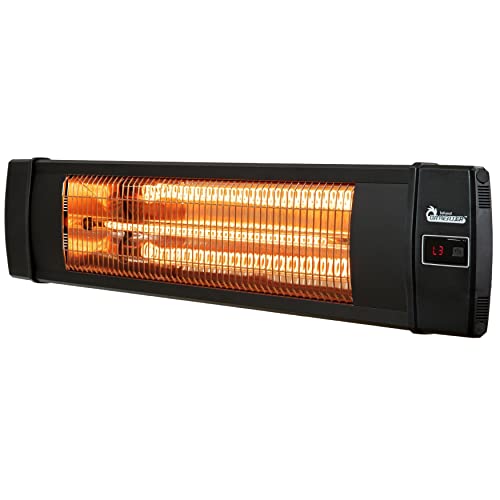
Designed for both indoor and outdoor use, the DR-238 carbon infrared heater delivers clean, instant heat with three power settings (900W, 1200W, 1500W) and 120V operation. The device uses infrared warmth to create a comfortable environment without requiring electricity-heavy ignition or complex setup. A remote control adds convenience for adjusting heat from a distance. The unit’s outdoor-ready status makes it suitable for patios, garages, and well-ventilated spaces, while still offering reliable warmth in cooler indoor zones.
Dr Infrared Heater Portable Space Heater, Original
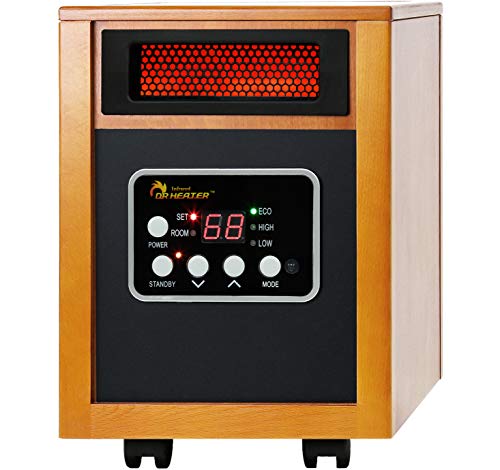
This 1500-watt infrared space heater blends infrared quartz tubes with a PTC element to provide robust warmth for large rooms. It includes an Auto Energy Saving Mode, a 12-hour timer, and a low-noise blower at 39 dB for quiet operation. Safety features include tip-over and overheat protection. An IR remote control enables convenient adjustments, and the dual heating system targets broader coverage with efficient heat distribution for residential living spaces.
Heat Storm HS-1500-PHX-WIFI Infrared Heater

This wall-mounted infrared heater prioritizes space efficiency with a wifi-enabled control system. It includes a touch screen thermostat, a remote, and a compact design that preserves floor space—ideal for bedrooms, kitchens, and offices. The unit integrates a digital thermostat for precise temperature control, with safety features like tip-over protection and convenient app-based scheduling for steady comfort in smaller rooms.
VEVOR Kerosene Forced Air Heater

This heavy-duty kerosene heater delivers up to 215,000 BTU, suitable for large workshops and industrial spaces. It features a thermostatic energy efficiency system with a room temperature display, an adjustable thermostat from 40°F to 110°F, and an overheat protection mechanism. It supports kerosene and diesel fuels (one type at a time), includes fuel gauges, dual fuel filters, and a pressure gauge to help monitor operation. Aimed at durability and performance in demanding environments.
Dyna-Glo Indoor Kerosene Convection Heater WK95C8

With up to 23,800 BTU and a capacity to heat about 1,000 square feet, the WK95C8 operates without electricity, making it useful during outages or in spaces where electrical access is limited. This kerosene convection heater is designed for reliable warmth in larger areas, combining fuel efficiency with straightforward operation. It includes standard safety considerations common to kerosene heaters, such as proper ventilation and regular maintenance to reduce emissions and odors.
Buying Guide: Key Purchase Considerations
When selecting infrared or kerosene heaters, several factors influence performance and safety. First, determine the space size and desired heat output. BTU ratings for kerosene heaters indicate heating capacity, but real-world performance depends on insulation, ceiling height, and climate. For electric infrared heaters, wattage approximates heat output; larger rooms benefit from higher wattage units or multiple units. Safety features such as tip-over protection, overheat shutoffs, and stable bases are essential, especially for homes with children or pets.
Fuel type is a critical distinction. Kerosene heaters require proper ventilation due to combustion byproducts; they excel in spaces without reliable electricity, garages, sheds, and workshops. Electric infrared heaters offer clean heat and are easier to operate indoors but depend on a power source. Some models combine smart features, like Wi-Fi control and remote operation, to simplify use and optimize energy consumption.
Portability and installation matter as well. For rooms with limited space, wall-mounted infrared units save floor space and reduce clutter. If you need heat in an outdoor setting, outdoor-rated models with weather resistance and durable construction are advisable. Finally, consider maintenance: kerosene heaters require routine fuel management, wick or burner checks, and periodic cleaning to minimize smoke and odors, while electric infrared heaters require bulb and element maintenance according to manufacturer guidelines.
Energy efficiency varies across models. Features such as auto energy-saving modes, programmable timers, and thermostatic controls help balance comfort with cost. Always review safety instructions, ensure proper ventilation for kerosene models, and follow local guidelines on fuel storage and appliance use. By weighing heat output, fuel type, safety, and smart features, you can identify the best option to meet your space and climate needs.