
Answering the need for reliable, portable warmth indoors during camping, these heaters are selected for different spaces and uses. The right pick depends on whether you camp in a tent, a cabin, or a small vehicle, and whether you prefer propane, kerosene, or electric heat. The top five options balance safety features, ease of use, and heat output. Use this guide to compare suitability for cold-weather camping, emergency preparedness, or quickly warming a shelter after sunset.
Product Comparison At A Glance
| Product | Best For | Heat Output | |
|---|---|---|---|
| Mr. Heater 9,000 BTU Portable Buddy Radiant Propane Heater | Medium tents and enclosed spaces | 4,000–9,000 BTU/hr | Propane |
| Space Heater, WINHL Small Portable Electric Heater | Small tents or cabins with electric access | 1500W max | Electric |
| Mr. Heater MH9BX | Portable warming with outdoor-friendly features | 4,000–9,000 BTU | Propane |
| 2 in 1 Portable Kerosene Heater & Stove (LINWIN) | Camping with cooking capability | 9,000 BTU | Kerosene |
| MOZODAWN 2 in 1 Propane Heater & Stove | Outdoor cooking and space heating | 13,000 BTU | Propane |
Mr. Heater 9,000 BTU Portable Buddy Radiant Propane Heater
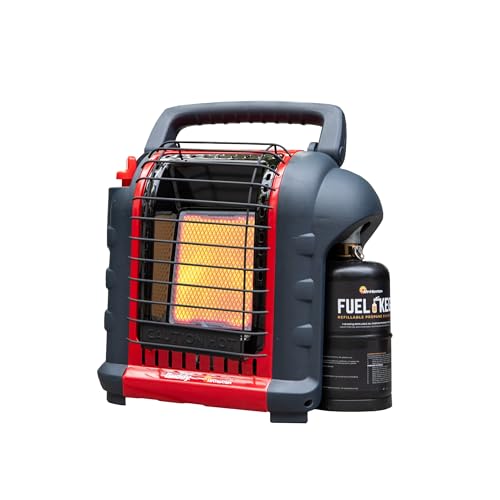
This radiant propane heater provides 4,000 or 9,000 BTU per hour, delivering quick warmth in enclosed spaces such as small tents or emergency shelters. It is designed and approved for indoor and outdoor use and can heat up to roughly 225 square feet. Best for campers who rely on propane and need a compact, gas-powered heater with straightforward operation. A limitation is the flammable fuel source, so use proper ventilation and follow safety guidelines to avoid carbon monoxide buildup.
WINHL Small Portable Electric Heater

This electric heater uses PTC ceramic technology for rapid warm-up and efficient heat in compact spaces such as tents or small cabins. It features wide-angle oscillation to distribute heat evenly, and a smart remote control for adjusting temperature, fan speed, modes, and timer. It’s best for campers with access to electricity who want quiet, adjustable warmth in bedrooms or workspaces. A potential limitation is dependence on a power source and the need for batteries for the remote.
Mr. Heater MH9BX-Massachusetts/Canada Approved Portable Propane Heater

This universal propane heater offers 4,000–9,000 BTU for spaces up to 225 square feet and is approved for outdoor use with clean-burning operation. It includes safety features like auto shut-off if tipped or low oxygen is detected, making it a solid choice for open-air camping or camp kitchens. Note that at high altitudes (above 7,000 feet) performance may trigger automatic shutdowns, so plan accordingly for high-elevation trips.
2 in 1 Portable Kerosene Heater & Stove (LINWIN)
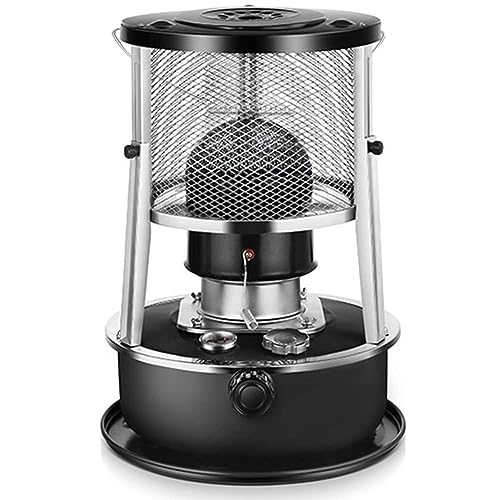
This 2-in-1 kerosene heater and stove offers heating and cooking in one unit, making it ideal for camping, hunting, and emergency setups. It includes accessories like a storage bag, wick, funnel, siphon pump, gloves, and manual for practical field use. Best for campers who want a dual-purpose device, but be aware that kerosene handling requires careful ventilation and fuel storage planning.
MOZODAWN 2 in 1 Propane Heater & Stove

This 13,000 BTU propane heater with a built-in stove delivers powerful outdoor heat and cooking capability. It is designed for tents, patios, or garages and includes a portable handle for movement. The higher BTU output makes it best for larger camping environments or colder nights, but it consumes propane quickly, so plan fuel accordingly and monitor venting in enclosed spaces.
Buying Guide: Key Considerations For Camping-Grade Indoor Heaters
What space will you heat?
Small tents or vans require lower BTU units, while larger shelters or open-air setups may benefit from higher output models. For enclosed spaces, ensure the heater is approved for indoor use and has a proper oxygen safety feature or CO monitoring plan.
What fuel type fits your trip?
Propane heaters are common for camping due to portability and fuel availability. Kerosene heaters offer cooking capability and longer burn times in some models but require careful fuel handling. Electric heaters demand access to a power source and are best for sites with electrical hookups or battery solutions.
Safety features and ventilation
Look for auto shut-off, tip-over protection, low-oxygen sensors, and flame safeguards. Always use outdoor ventilation when heating enclosed spaces, and never operate combustion heaters in poorly ventilated tents without CO alarms.
Portability and setup
Consider unit weight, carry handles, and whether the heater includes a carrying case or accessories. A 2-in-1 heater and stove can simplify packing for multi-use trips but may require more care when transporting fuel and cookware.
Durability and weather resistance
Camping gear should tolerate temperature swings and possible moisture exposure. Stainless steel components and rust resistance add longevity to outdoor heaters designed for rough conditions.
Maintenance and consumables
Propane or kerosene units need regular filter and wick maintenance, while electric models require safe storage of cords and proper thermostat calibration. Review the user manual for fuel storage guidelines and replacement parts.
Frequently Asked Questions
-
Is it safe to use indoor heaters inside a tent?
Only use heaters designed for enclosed spaces and follow all safety instructions. Ensure adequate ventilation and keep combustibles away from the heater.
-
Which heater is best for a small tent with electric access?
An electric heater with a thermostat and low wattage setting is ideal for small tents when you have a power source, as it reduces fuel storage concerns and emissions.
-
What should I consider when using propane heaters camping?
Propane units are portable and powerful but require proper ventilation and CO monitoring. Check for auto shut-off and tip-over safety features.
-
Can I cook while heating my shelter?
2-in-1 heater and stove models provide heating and cooking in one unit. Use caution with open flames and ensure proper ventilation to avoid flare-ups or carbon monoxide buildup.
-
What is BTU and why does it matter?
BTU indicates heat output. For camping, higher BTU means faster warm-up and greater heating range, but also increased fuel use. Choose a unit matching your space size and insulation.
-
Do these heaters require professional installation?
No. All listed units are designed for consumer use, with setup included in the product instructions. Follow safety precautions and manufacturer guidelines.