
If you’re shopping for a hybrid, high-efficiency, smart tank electric water heater, focus on models that combine energy-saving heat pump technology, smart controls, and reliable hot water delivery. This guide highlights five top options, who they’re best for, and practical buying tips. The highlighted models balance hybrid efficiency with user-friendly features, making them suitable for mid to large households, busy kitchens, and homes with energy-conscious priorities. A quick comparison table below helps with side-by-side decisions.
| Product | Capacity | Key Benefit | Best For |
|---|---|---|---|
| Senville Hybrid Heat Pump Electric Water Heater, 50 Gallon | 50 gal | Up to 70% energy savings; high UEF; solid first hour rating | Medium to large families needing reliable supply |
| ACiQ 50 Gallon Electric Residential Hybrid Heat Pump Water Heater | 50 gal | Indoor-friendly hybrid design with air circulation considerations | Basements or garages with stable indoor temps |
| GE Appliances 30 Gallon Electric Water Heater with Built-In Wifi & Digital Display | 30 gal | Smart controls and healthy hot water delivery | Homes seeking remote control and monitoring |
| VEVOR Electric Tank Water Heater, 30 Gallon | 30 gal | Fast heating, good insulation, practical safety features | Families needing consistent hot water |
| GE Appliances 10 Gallon Versatile Plug and Play Electric Water Heater | 10 gal | Compact, easy installation, flexible placement | Small spaces or supplemental hot water |
Senville Hybrid Heat Pump Electric Water Heater, 50 Gallon
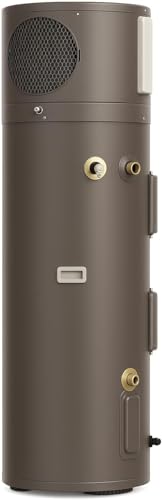
The Senville 50-gallon hybrid uses heat pump technology to pull heat from the surrounding air and transfer it to water, offering notable electricity savings versus standard electric units. It features a 3.75 UEF rating and a First Hour Rating (FHR) around 69 gallons, supporting reliable hot water for showers, laundry, and dishes. This model is best for medium to large households seeking significant energy cost reductions without sacrificing hot water supply.
Who it’s best for: households aiming to cut electricity usage by up to 70% compared with traditional electric heaters, and families that can maintain stable indoor temperatures. Why selected: strong energy efficiency combined with a large 50-gallon capacity matches typical daily demand. Caution: hybrid heat pump performance can dip in very cold spaces; ensure placement in a temperature-stable area for best results.
ACiQ 50 Gallon Electric Residential Hybrid Heat Pump Water Heater Tank

The ACiQ 50-gallon hybrid is designed for indoor installation with attention to air circulation and stable indoor temperatures. This model emphasizes energy efficiency through hybrid heat pump operation, aligning with homes that prioritize reduced electricity use and a robust hot water supply. It’s well-suited for basements or garages where temperature stability supports peak performance.
Who it’s best for: homeowners who want a true hybrid system with sensible indoor placement. Why selected: it provides a balance of energy savings and ample hot water capacity, while acknowledging indoor climate considerations. Caution: it should not be installed in unheated spaces that fall below 37°F, and adequate air circulation is essential for optimal results.
GE Appliances 30 Gallon Electric Water Heater with Built-In Wifi & Digital Display

GE’s 30-gallon electric water heater emphasizes smart controls, including built-in WiFi and a digital display. It aims to deliver reliable hot water with a generous first-hour temperature rise and easy temperature management through the SmartHQ ecosystem. This model is best for tech-minded homes that want mobile access to water temperature settings and maintenance alerts.
Who it’s best for: households seeking convenient remote control and monitoring without sacrificing capacity. Why selected: the combination of true 30-gallon capacity and smart features makes it a practical choice for modern kitchens and bathrooms. Caution: as a standard electric unit with hybrid potential limited by its non-hybrid design, it may not achieve the same energy savings as true heat-pump hybrids in cooler spaces.
VEVOR Electric Tank Water Heater, 30 Gallon

This 30-gallon VEVOR tank features fast heating and 20 mm thick foam insulation to minimize heat loss. It includes safety features like T&P valve protection and an enamel-coated interior. It’s a practical option for families that want dependable hot water delivery with solid insulation at a reasonable size.
Who it’s best for: families needing steady hot water with strong insulation and value-focused design. Why selected: blends energy efficiency with a conservative capacity that aligns with typical daily hot water use. Caution: not a hybrid unit; energy savings depend on your home’s electrical setup and usage patterns.
GE Appliances 10 Gallon Versatile Plug and Play Electric Water Heater
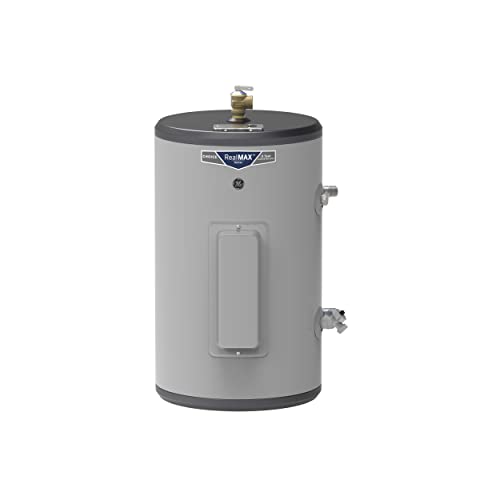
This compact GE model provides an easy installation path for small spaces or as a supplementary heater. It offers adjustable thermostat control in a plug-and-play 120-volt format, making it a flexible option for apartments, cabins, or renovations where space is at a premium.
Who it’s best for: homeowners needing a small, install-anywhere unit or supplemental hot water. Why selected: its plug-and-play design makes it a simple upgrade for limited spaces. Caution: smaller capacity means more frequent replenishment for households with higher hot water demands.
Buying Guide
What to consider when choosing a hybrid high efficiency smart tank electric water heater
- Hybrid vs. traditional electric: Hybrid models use heat pump technology to pull heat from the air, dramatically reducing electricity use, especially in warmer indoor spaces. Traditional electric tanks may offerSmart features but will typically consume more energy for the same hot-water output.
- Capacity and first-hour delivery: Match capacity to household size and peak hot-water needs. A higher First Hour Rating (FHR) means more hot water in the first hour of use, which is important for showers and multiple fixtures simultaneously.
- Energy efficiency metrics: Look for UEF (Uniform Energy Factor) or similar efficiency ratings for hybrids. Higher ratings indicate better energy savings, particularly during periods of high hot-water demand.
- Placement and climate considerations: For hybrid models, ensure the location maintains a stable indoor temperature. Cold environments can reduce efficiency and comfort.
- Smart features and app compatibility: Built-in WiFi or digital displays can help monitor temperature, set schedules, and receive maintenance alerts. Ensure compatibility with your home network and ecosystems.
- Installation constraints: Some units require specific clearances, venting considerations, or electrical capacity. Review space, wiring, and breaker limitations before purchasing.
- Maintenance and lifespan: Enamel interiors, protective coatings, and safe pressure relief features contribute to longevity. Consider warranty terms and serviceability when evaluating long-term value.
Frequently Asked Questions
- Do hybrid water heaters save more energy than traditional electric tanks? Yes, hybrid heaters use heat pump technology to extract heat from the air, reducing electricity use substantially compared with standard electric models.
- What’s the right size for a family of four? A 40–50 gallon hybrid tank is commonly suitable for moderate daily hot-water use, but consider peak demand and how many showers or appliances operate simultaneously.
- Can I install these in a cold garage or unheated basement? Hybrid units perform best in temperature-stable spaces. Cold environments can reduce efficiency, so place them in areas that stay reasonably warm.
- Are smart features worth it? Smart controls offer temperature management, vacation modes, and maintenance alerts, which can improve comfort and energy use, depending on your lifestyle.
- Is a tankless option better than tank models for limited space? Tankless heaters provide on-demand hot water with no storage tank, but they require proper sizing and wiring. For many households, a hybrid tank offers a good balance of capacity and efficiency.
- How long does installation typically take? Installation duration varies by model and existing plumbing, but most standard installations are completed within a day by a licensed professional.