
Whether you’re topping up a residential heating oil reservoir or performing routine maintenance on a small-scale oil system, a reliable home heating oil transfer pump is essential. This guide highlights five top options, explains who each pump is best for, and compares key features so you can choose the right pump for your needs.
BLACKHORSE-RACING Self Priming 110V Oil Transfer Pump

This 110V AC pump delivers up to 16 GPM (60 L/min) and is designed for transferring heating oil, diesel, kerosene, biodiesel, and similar fuels. It’s ideal for homeowners who want a strong, plug-in solution for occasional bulk transfers without manual pumping. The self-priming capability helps after long storage periods, reducing priming effort. Best for: households that perform regular, higher-volume transfers from drums or tanks and want a sturdy, plug-in option.
- Best for higher flow needs with reliable electric power
- Simple operation with minimal manual effort
- Note potential: 110V operation requires a dedicated outlet and appropriate safety spacing
OMT 12V Diesel Transfer Pump With Nozzle Hoses

This 12V DC transfer pump is designed for portability and compact spaces. It includes hoses and nozzles, making it a practical kit for small fuel transfers, such as transferring heating oil into portable containers or smaller tanks. Best for: users needing a lightweight, battery-powered option for occasional, low-volume transfers at the workbench or in vehicles. Limitation: performance depends on battery or power source availability.
- Better for lightweight, portable use
- Includes nozzle and hoses for immediate operation
- Avoid if you require high-volume transfers or continuous operation
OMT 12V Portable Diesel Transfer Pump

This 12 GPM pump is built for automotive and marine use with self-priming capability. Its portability makes it a good fit for DIY oil changes, small engines, and portable fuel transfer tasks. Best for: users who need a compact, easy-to-carry unit for occasional oil or fuel transfers away from a fixed station. Caution: ensure safe handling to prevent spills during transfer.
- Best for mobile, on-the-go oil changes
- Self-priming feature supports quick setup
- Choose this if you need a compact, 12 GPM option; otherwise, a higher-flow unit may be preferable
Diesel Transfer Pump 110V 20GPM

This 110V unit delivers up to 20 GPM, suitable for faster transfers of diesel, kerosene, biodiesel, and light fuel oils. It combines robust throughput with a straightforward setup, making it a solid choice for homeowners who transfer significant volumes. Best for: households that need higher capacity in a fixed workshop or shed. Limitation: higher flow can increase spill risk if not used with proper containment.
- Best for faster, higher-volume transfers
- Solid option for a workshop or shed setup
- Note limitation: ensure appropriate spill containment practices
TOPWAY 110V Gasoline Fuel Pump With Handle
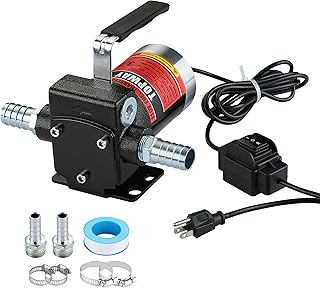
This 110V unit is a versatile self-priming pump designed for gasoline as well as diesel and kerosene transfer, with an integrated handle for easy movement. Best for: users who want a multipurpose transfer pump that can be repurposed for different fuels around the property. Caution: ensure compatibility with heating oil if used beyond its listed fuels and follow local regulations for fuel handling.
- Best for a multipurpose, all-around transfer pump
- Includes overheating protection and design considerations for safety
- Avoid if exclusively needing dedicated heating oil performance without trans-fuel versatility
Buying Guide
Choosing the right home heating oil transfer pump depends on your volume needs, power source, and ease of use. Consider these questions:
- What flow rate do I need? Higher GPM means faster transfers but can increase spill risk if not controlled.
- What power source is available? 110V AC pumps require outlets; 12V DC pumps are portable but depend on a power source or battery.
- How portable should the pump be? For occasional tasks away from a fixed station, a compact 12V model is convenient.
- Is self-priming important? Self-priming reduces manual effort, especially after long storage periods.
- What liquids will I transfer? Ensure the pump is compatible with heating oil, diesel, kerosene, and biodiesel as needed.
For safety and efficiency, pair your pump with appropriate spill containment, correct hoses, and proper ventilation. When selecting, prioritize reliability, the availability of spare parts, and the pump’s suitability for heating oil transfer as part of a broader home maintenance plan.
Product Comparison Snapshot
| Product | Best For | Key Benefit | Limitation |
|---|---|---|---|
| BLACKHORSE-RACING 110V | Higher volume, fixed setup | 16 GPM flow | Needs outlet |
| OMT 12V with Nozzle | Portable, light tasks | Includes hoses and nozzle | Lower flow |
| OMT 12V Portable | On-the-go oil changes | Compact, self-priming | Limited capacity |
| Diesel 110V 20GPM | High-volume shop use | Fast transfers | Spill risk with high flow |
| TOPWAY 110V Gas/Pump | Versatile fuel handling | Multi-fuel capability | May require extra safety checks for heating oil |
FAQ
- Can I use these pumps for heating oil in a home heating system? Yes, most listed models support heating oil transfers, but verify compatibility with your system’s specifications before use.
- Do I need an electrician to install a 110V pump? A standard outlet is typically sufficient, but follow local electrical codes and consider a dedicated circuit for safety.
- What safety steps are essential when transferring heating oil? Use spill containment, wear protective gear, operate in a well-ventilated area, and keep pumps away from heat sources.
- Which pump is best for large-volume transfers? The 20 GPM 110V pump is designed for faster throughput in a workshop environment.
- Are portable 12V pumps suitable for all tasks? They’re ideal for small, portable transfers but may not meet demand for high-volume jobs.
- Should I choose a self-priming pump? Self-priming helps when the source has been stored for a while or has air in the line, improving reliability.