
In this guide
If you need warmth that moves with you or runs without standard outlets, battery-compatible heaters can be a smart choice. This guide highlights five options that use battery power or integrate battery-ready design to deliver heat when you can’t access a wall outlet. From portable golf-cart heaters to compact battery-powered pads, these picks cover a range of uses—from vehicles to small spaces and on-the-go scenarios. Each listing notes key features to help you compare performance, safety, and practicality.
| Product | Power Source | Best For | Key Feature |
|---|---|---|---|
| WM’SPARKLE 2-Second Fast Heating 48V Electric Golf Cart Heater | Battery-powered (48V) | Golf carts and battery-equipped vehicles | Instant warmth, 360° heating, cup-holder base |
| Nkiy Quen Automotive Silicone Battery Pad | Battery-powered (thermostatic control) | Vehicle batteries in cold weather | Fast, uniform heat at battery base with thermostat |
| BEYOND HEAT Milkhouse Space Heater | AC electrical (not battery) but common in portable setups | Small indoor spaces | 3 heat settings, safety precautions, ETL certified |
| 450W Mini Space Heater With Temperature Detection | AC electrical | Office, RV, small rooms | Thermostat, timer, LED display |
| 18,000 BTU Big Buddy PRO Series Heater | Propane (not battery) | Large spaces indoors/outdoors | High BTU range, auto shut-off, safe operation |
2-Second Fast Heating 48V Electric Golf Cart Heater

This compact heater is designed for 48V golf cart batteries, offering rapid warmth without propane or a direct power outlet. It uses carbon fiber heating elements that deliver heat instantly, with a 360° heating pattern to cover more area. The device is mounted for stability and can help drivers and passengers stay comfortable on chilly rounds. It emphasizes energy efficiency and low impact on battery life, making it suitable for extended use on the course or other battery-powered vehicles.
Nkiy Quen Silicone Battery Pad
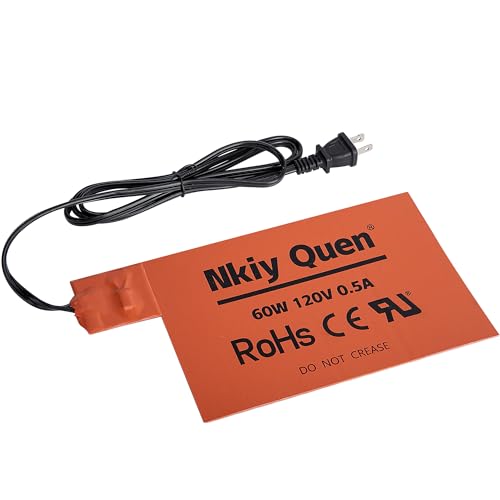
This silicone battery heater pad is designed to wrap or sit under battery trays to improve cold-weather performance. It provides a consistent heat source with thermostatic control to prevent overheating. The ultra-thin, flexible design makes it easy to install in cramped spaces, and its 8.2 by 5.5-inch footprint suits many standard battery configurations. The goal is to help cold-start reliability without drawing power from the vehicle’s climate control system.
BEYOND HEAT Milkhouse Space Heater

The Milkhouse space heater offers three heat settings (including a 1500W high) and a thermostat to maintain comfort in small spaces. It features a tip-over switch and automatic overheat protection for safety and ETL certification to meet standards. While it plugs into standard outlets, its compact size makes it a practical companion for portable use in garages, workshops, or bedrooms where occasional battery-powered assistance is needed during outages.
450W Mini Space Heater With Temperature Detection

This low-wattage heater is designed for small spaces such as an office or RV. It includes a remote, adjustable thermostat, timer, and a digital LED display. The 500W rating makes it easy to run on limited electrical circuits and reduces energy consumption while maintaining a comfortable environment in modest spaces. It is best used where access to electricity is consistent, rather than relying on battery power alone.
18,000 BTU Big Buddy PRO Series Heater
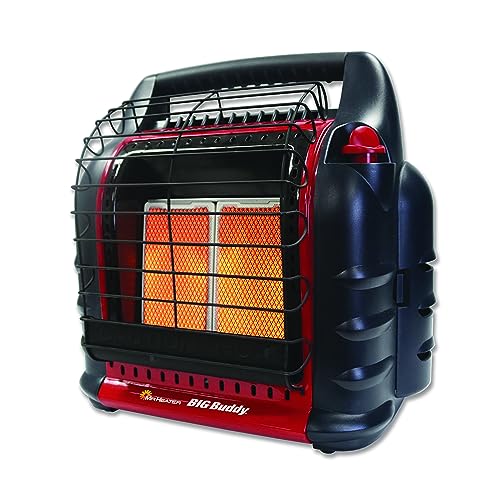
This propane-powered radiant heater targets larger spaces—up to 450 square feet—with a high BTU output. It is approved for indoor and outdoor use and features automatic shut-off mechanisms for safety, including tip-over protection and oxygen depletion sensors. While propane powered rather than battery operated, it remains a practical option for off-grid warmth when battery-based options are limited or unavailable, such as garages, workshops, or outdoor gatherings.
Buying Guide: Battery-Powered Heating Considerations
- Power source compatibility: Battery-powered heaters rely on vehicle or portable battery systems. Confirm voltage (12V, 24V, 48V, etc.) and whether the device can be charged or supported by your existing battery setup.
- Heat output and coverage: BTU ratings or watts indicate how much warmth a heater can deliver. For small spaces, lower wattage is often sufficient; larger areas require higher output or multiple units.
- Portability and mounting: Look for compact designs, easy mounting, or cup-holder bases for mobility. For vehicles, secure mounting reduces risk during movement.
- Safety features: Thermostats, auto shut-off, tip-over protection, and oxygen depletion sensors are key for battery-powered and portable heaters. Ensure ETL or equivalent certification where applicable.
- Energy efficiency: Battery life is a critical consideration in mobile setups. Devices with rapid warm-up and efficient energy use help maximize runtime between charges or engine runs.
- Compatibility with power sources: If using in a vehicle, verify that the heater works with your battery pack, inverter, or auxiliary power system. For home use, consider off-grid adapters or portable solar options if desired.
- Maintenance and durability: Look for heaters with robust casings, protective features, and clear maintenance guidance to extend life in variable environments.
- Alternative options: In some scenarios, combining a battery-powered pad under a battery tray (as in the Nkiy Quen pad) with a compact electric heater may yield better cold-weather performance without relying solely on a traditional space heater.
These selections illustrate a spectrum of battery-oriented warmth—from on-vehicle heat to targeted battery-area heating components. When evaluating options, consider your primary use, how you’ll power the unit, and safety guarantees to choose the best match for portable warmth needs.