
Finding the right forced air torpedo heater means balancing heat output, fuel type, and safety for the space you’re warming. The top options below are well-suited for garages, workshops, and outdoor worksites. They range from propane to kerosene and diesel variants, with various BTU ratings and safety features. This guide highlights five models that deliver reliable warmth, clear operating controls, and practical run times for different spaces and budgets.
Buyer snapshot: The following table compares the five selected torpedo heaters, focusing on typical space coverage, fuel type, and notable safety features to help you narrow choices quickly.
| Product | |||
|---|---|---|---|
| Anrain 150,000 BTU | Propane | 120,000–150,000 BTU; up to 4,305 sq ft | |
| VEVOR 215,000 BTU (Diesel/Kerosene) | Kerosene / Diesel (dual fuel) | 215,000 BTU; up to 1,260 m³ | Thermostat with display; overheat protection |
| Habitio 125,000 BTU | Propane | 75,000–125,000 BTU; up to 3,125 sq ft | CSA certified; regulator included |
| L.B. White Tradesman 170K | Propane | 125,000–170,000 BTU | Heavy-duty durability; portable for indoor/outdoor use |
| Master MH-150V-GFA-A | Propane | 150,000 BTU (variable output) | Overheat shut-off; designed for long runs |
Anrain 150,000 BTU Forced Air Propane Heater

Best for large, fuel-ready spaces: This propane torpedo delivers 120,000–150,000 BTU/h and can heat up to 4,305 sq ft. A long 11-foot hose and regulator simplify connections to a standard 20-lb tank, supporting longer runtimes in low power. It features a continuous electronic ignition and a triple safety system including overheat protection and auto tip-over shut-off. Low noise makes it viable for mid-sized shops. Choose this if you have a large garage or open outdoor jobsite and want robust, steady warmth without frequent fuel changes.
Limitations: Runtime depends on tank size and power setting; heat can be excessive for small, enclosed spaces without airflow management.
Best for: Large garages, building sites, and workshops that require high BTU output with solid safety safeguards.
VEVOR Kerosene Forced Air Heater, 175,000 BTU

Best for energy-conscious operators: This 175,000 BTU kerosene heater supports spaces up to roughly 1020 m³ and uses a thermostat to maintain target temperatures, reducing energy waste. It accepts kerosene or diesel fuels (one type at a time) with a fuel gauge and dual fuel filters to curb smoke and odor. It includes overheating protection and a clear display, promoting safer continuous operation. Opt for this if you want thermostatic control and dual-fuel flexibility for varying sites.
Limitation: Fuel options require careful management to avoid cross-contamination; always select one fuel type per session.
Best for: Drafty workshops, barns, and multi-season work areas where thermostat-driven comfort matters.
VEVOR Kerosene Forced Air Heater, 215,000 BTU

Best for maximum heat in large spaces: At 215,000 BTU, this torpedo heater heats up to about 1,260 m³. It includes a thermostat display and overheat protection, and supports kerosene or diesel (one at a time). The large output suits expansive workshops or barns where rapid warmth is critical. Choose this if your area is very large or you need aggressive startup heating in cold environments.
Caution: High BTU output requires proper ventilation and space planning to maintain air quality and safety.
Habitio 125,000 BTU Forced Air Propane Heater
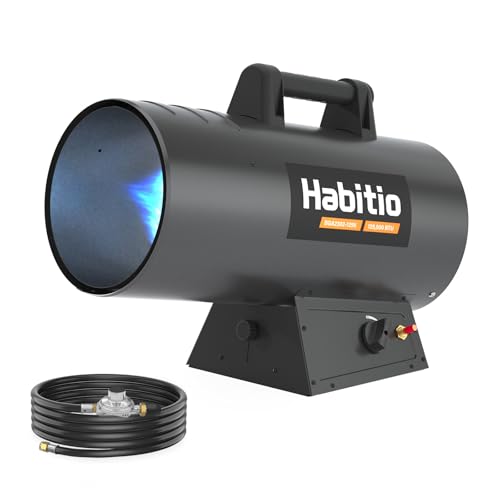
Best for mid-sized sites: With 75,000–125,000 BTU/h output and coverage up to 3,125 sq ft, this heater balances warmth with fuel efficiency. It includes a 10-foot hose and regulator for straightforward hookup, plus CSA certification for safety. Puff control and a robust ignition system support reliable starts. Choose this if you want a practical, well-rounded option for medium garages or workshops.
Limitation: Noise level can be noticeable during operation; plan for ventilation and hearing protection if needed.
L.B. White Tradesman 170 Ultra Portable

Best for rugged durability: This 125,000–170,000 BTU propane heater is built to endure harsh jobsite conditions with a heavy-duty combustion chamber and durable burner plate. It offers portable operation suitable for indoor and outdoor use, with a corrosion-resistant exterior and dependable electronic spark ignition. Choose this if you need a tough, portable unit for construction work, barns, or outdoor spaces.
Caution: Heavier unit may require assistance to move on uneven ground or steep terrain.
Mr. Heater 60,000 BTU Quiet Burner Propane Heater

Best for quiet operation: This unit uses Quiet Burner Technology to cut noise by about half while delivering up to 60,000 BTU/h. It supports a broad burn range (30,000–60,000 BTU) and can run for hours on a 20 lb tank at low settings. Choose this if you need a lower-noise option for noise-sensitive spaces like semi-enclosed workshops or residential-adjacent jobsites.
Master MH-150V-GFA-A 150,000 BTU LP Heater

Best for versatile spaces with consistent runtime: The Master MH-150V-GFA-A offers 150,000 BTU with a variable output, letting users tailor heat for warehouses, barns, or construction zones. It provides up to 23 hours of continuous operation on a full 20 lb propane tank and includes an overheat shut-off for safety. This model suits large sites that require dependable, adjustable warmth over long work sessions.
Limitation: Heavy-duty design can reduce portability for very tight spaces; plan placement accordingly.
Buying Guide
What space are you heating?
For very large garages or outdoor job sites, higher BTU models (like 175,000–215,000 BTU) deliver faster warmth and maintain comfort in drafty areas. For mid-sized shops, 125,000–150,000 BTU units balance heat with fuel usage.
What fuel type fits your setup?
Propane torpedo heaters are common for indoor and outdoor use, with CSA-certified safety features. Kerosene/diesel options offer high BTUs and longer runtimes but require adequate ventilation and fuel management. Dual-fuel designs provide flexibility but must run on one fuel type at a time.
Safety and reliability features you should expect
- Overheat protection and tip-over shut-off
- Electronic ignition for quick startups
- Thermostats and temperature displays for energy control
- Durable construction for jobsite environments
Run time and fuel efficiency considerations
Higher BTU units burn fuel faster; consider tank size and expected runtime between fills. Thermostatic control helps maximize efficiency by maintaining the target temperature without constantly firing at full power.
Portability and ease of use
Look for models with integrated handles, light frames, and included hoses/regulators. If you frequently move between indoor and outdoor spaces, portability can save time and effort on site.
Budget and long-term value
While higher BTU models cost more upfront, their durability and safety features often translate to lower maintenance and longer service life in demanding environments. Consider total cost of ownership, including fuel type and replacement parts.
FAQ
- What is a torpedo heater?
A torpedo heater is a portable, forced-air heater using propane, kerosene, or diesel to deliver quick warmth to large spaces.
- Which heater is best for indoor use?
Propane models with solid safety features, such as overheat protection and tip-over shut-off, are typically well-suited for indoor use when ventilation is adequate.
- Do these heaters require ventilation?
Yes. Combustion byproducts require proper ventilation, especially for enclosed spaces. Follow manufacturer guidelines and local codes.
- Can I run a heater all day?
Many models support long runtimes on a single tank at low settings, but always monitor fuel level and unit temperature to ensure safe operation.
- Is dual-fuel heat practical?
Dual-fuel heaters offer flexibility, but you must select and use only one fuel type at a time to avoid safety issues.
- What should I consider for installation?
Place heaters on stable surfaces, keep combustibles away, and ensure proper clearance from walls and ceilings as recommended by the manufacturer.