
In this guide
Indoor heating can rely on varied heat sources, from ethanol-fueled devices to electric space heaters. This guide highlights top picks suitable for indoor use, focusing on ethanol fuel options and reliable electric heaters. Each entry includes practical details to help compare safety, burn time, and control features, so you can choose a solution that fits your space and safety needs.
| Product | Brand | What It Delivers |
|---|---|---|
| Sterno S’mores Heat Ethanol Fuel Can | Sterno | 45-minute burn time per can; indoor/outdoor safe; convenient for food warmers and DIY setups |
| Triti Premium Bioethanol Fuel | TRITI | Clean, smokeless, odor-free burn; suitable for table top and indoor fireplaces |
| Dreo Space Heater | Dreo | 1500W PTC ceramic heating with thermostat, remote, and multiple safety features |
| DR Infrared Heater Portable Space Heater | DR. INFRARED HEATER | Large-room infrared/PTC dual heating with auto timer and remote |
| Hykolity Space Heater Large Room | hykolity | Large-room heating with 70° oscillation, multiple safety protections, thermostat |
Sterno S’mores Heat Ethanol Fuel Can

Sterno’s S’mores Heat ethanol gel fuel cans provide up to 45 minutes of steady heat per can, designed for indoor and outdoor use. The fuel is UL-validated for clean burning, making it a practical option when you want controlled heat for dessert stations, fondue setups, or buffet services at home. Though primarily marketed for food warmth and s’mores makers, these cans are compatible with Sterno’s own indoor-use setups and are favored for simple, flame-based ambiance without electricity.
Triti Premium Bioethanol Fuel
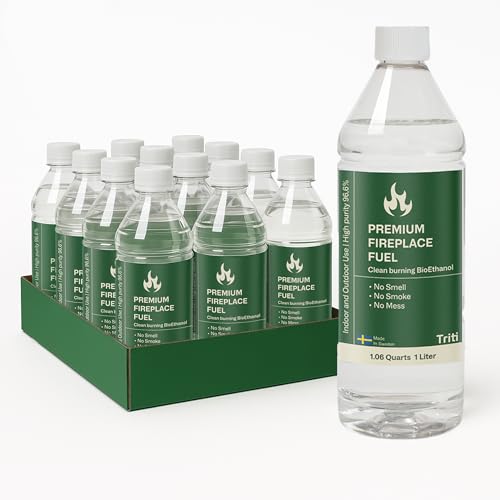
TRITI bioethanol fuel is designed for clean, smokeless burning in indoor environments. With a high ethanol content, it aims to minimize odor and soot, making it suitable for tabletop fireplaces, indoor stoves, and portable fire pits. Its formulation targets steady flame duration and a safe indoor experience when used in approved devices, aligning with consumers seeking air quality-friendly heating options for enclosed spaces.
Dreo Space Heater, 2025 Upgraded

The Dreo Space Heater blends a high-capacity 1500W PTC ceramic heating system with a refined design for rapid warmth. It features a thermostat, remote control, and multiple safety elements, including tilt detection and ETL-certified components. The unit is optimized to deliver strong heating with reliable control, making it a practical indoor companion for living spaces, offices, or bedrooms where fast warmth and adjustable temperatures matter.
Dreo Space Heater (Second Variant)

This Dreo model emphasizes safety and precision, offering a similar 1500W heating capability with an enhanced thermostat and control system. The focus is on accurate temperature management and extended heat distribution, helping to maintain comfort in midsize rooms while prioritizing energy efficiency with adjustable settings and a smart-leaning design for everyday indoor use.
Dr Infrared Heater Portable Space Heater
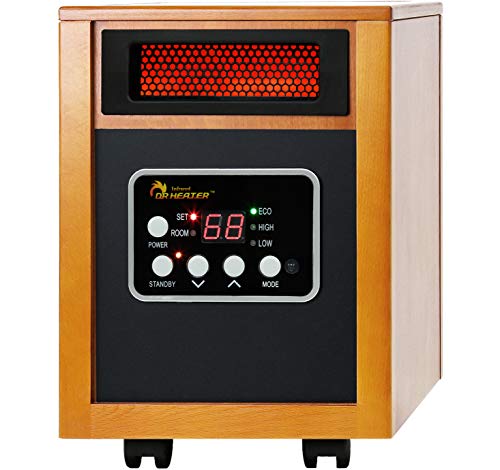
The Dr Infrared Heater unit combines infrared quartz and PTC elements to provide substantial warmth for larger rooms, with a 60% boost in perceived heat. It includes a dual heating system, a 12-hour timer, and a remote for convenient operation. This model is often chosen for spaces where steady, long-duration warmth is needed and where quieter operation is valued alongside strong performance.
Hykolity Space Heater Large Room
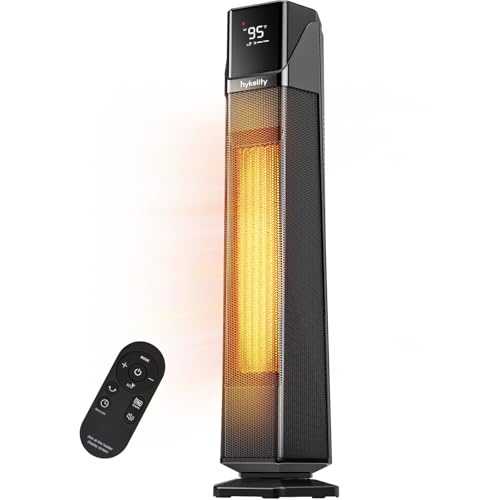
The Hykolity 30-inch heater targets large rooms with a 70-degree oscillation pattern for wide warmth distribution. It features ETL-certified safety components, a robust thermostat for precise control, and a focus on energy efficiency through ECO modes and programmable settings. It is well-suited for living rooms or home offices where ongoing warmth is desired with reliable protection against tip-overs and overheating.
Buying Guide: Ethanol and Electric Indoor Heating Considerations
- Safety first: Check for certifications such as UL or ETL. Indoor ethanol fuel devices should be used only with approved containers and in well-ventilated spaces. Electric heaters should feature tip-over switches, overheat protection, and child-lock options when needed.
- Fuel vs. electricity: Ethanol gel fuels provide ambiance and partial warmth without electricity, ideal for backup or supplemental heating. Electric heaters offer consistent warmth, precise thermostats, and timing options, making them more suitable for daily use in living spaces.
- Burn time and heat output: For ethanol cans, note burn duration per can and whether the device design matches your usage pattern (dessert stations, small rooms, or accent heating). Electric heaters are generally rated by wattage; 1500W units deliver strong warmth for midsize rooms.
- Room size and distribution: Large rooms benefit from oscillation and multiple heat sources, or higher-wattage models with even heat distribution. For compact spaces, compact or low-profile heaters with smart control may be ideal.
- Air quality and odor: Ethanol fuels are designed for cleaner burns, but some odor or residual fumes can occur in poorly ventilated spaces. Ensure adequate ventilation and choose odor-minimized formulas if odor is a concern.
- Controls and smart features: Thermostats, timers, and remote controls improve usability. Smart compatibility (Alexa/Google Home) adds convenience but verify Wi-Fi compatibility and network requirements.
- Maintenance and longevity: Electric heaters require periodic cleaning of grills and filters; ethanol cans or fuels require proper storage and handling. Consider the total cost of ownership, including fuel replacements and potential replacement parts.
- Energy efficiency: ECO modes, automatic shut-off timers, and efficient heat distribution help reduce energy use. Compare energy consumption relative to room size to avoid overheating or energy waste.
- Intended use scenarios: If you need warmth during gatherings or for food-warming stations, ethanol options offer convenient, portable heat. For regular room heating, electric space heaters often provide safer, controlled warmth with fine-tuned temperature management.