
Answering the common buyer question, these electric pipe heaters prevent freezes and keep water flowing in cold weather. They’re best for homeowners, renters, and DIYers who want a straightforward solution to protect pipes in basements, attics, crawl spaces, or exterior lines. The top picks below emphasize safety, self-regulating warmth, and ease of installation. The table compares key specs to help you choose quickly.
| Product | Length | Wattage | Best For |
|---|---|---|---|
| Frost King HC6A | 6 ft | 7 W/ft | Metal and plastic pipes, moderate cold |
| Frost King HC3A | 3 ft | 7 W/ft | Small runs, tight spaces |
| HEATIT HISD 6ft | 6 ft | 7 W/ft | Fully certified safety, reliable plastic/metal pipes |
| Cupohus 15 ft | 15 ft | Not listed (thermostat) | Longer runs, hoses and pipes |
| Frost King HC12A | 12 ft | 7 W/ft | Longer pipe sections, higher demand |
Frost King HC6A Automatic Electric Heat Kit
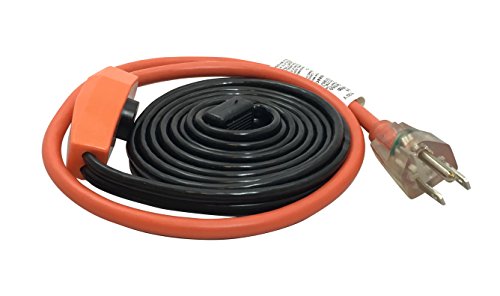
The Frost King HC6A is a 6-foot heat cable that delivers 7 watts per foot. It’s designed to keep water flowing in pipes down to -40 degrees Fahrenheit for both metal and plastic piping. This model is well suited for mid-length runs that need dependable freeze protection without complex setup. It’s best for smaller to medium homes or garages where a compact, ready-to-install solution is desirable. A potential limitation is the fixed length; consider pairing longer runs with additional heat cables if you have extended pipe sections.
Frost King HC3A Automatic Heat Kit

The HC3A provides 3 feet of heating cable at 7W/ft, suitable for short pipe runs or tight spaces where heat coverage is limited. Like the HC6A, it protects water flow down to -40°F and supports both metal and plastic pipes. It’s a good pick for small basements, utility sinks, or RV hookups where space constraints limit cable length. A caveat is that shorter length means more careful planning for overall pipe coverage to avoid cold spots.
HEATIT HISD 6ft Self-Regulating Cable
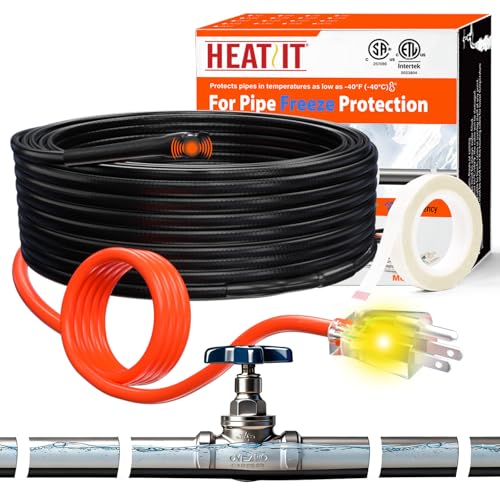
HEATIT’s 6-foot heat tape is CSA and ETL certified, emphasizing safety and reliable performance for water-filled pipes. It features a built-in thermostat and a UL-listed plug, designed to turn on around 37°F and off at 50°F. This makes it a strong choice for homeowners prioritizing certified safety and automatic operation. Best for those who want a fully certified option and fewer setup decisions. Note that it is intended for water-filled pipes only and requires proper insulation handling to maximize efficiency.
Cupohus Heat Tape With Thermostat

Cupohus provides a 15-foot heating cable with a thermostat and a focus on freezing protection for hoses and pipes. It promotes energy savings by starting when water is below 41°F and stopping at 59°F. This longer cable is ideal for longer runs or more complex layouts where a single short cable wouldn’t suffice. A potential limitation is the longer length, which may require more careful routing and insulation to prevent heat loss.
Frost King HC12A Automatic Heat Kit
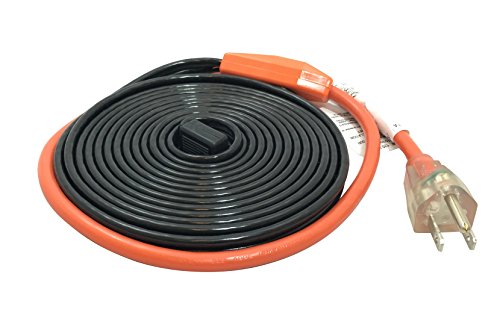
The HC12A extends to a 12-foot length and provides 7W per foot for longer pipe runs. It’s a practical choice when you need protection across a wider stretch of piping or multiple sections in a row. This model shares Frost King’s emphasis on keeping water flowing down to -40°F and is best for larger properties or areas with extended piping routes. A limitation to note is the longer installation path and potential heat distribution considerations along the full length.
MAXKOSKO 5ft Self Regulating Heat Tape
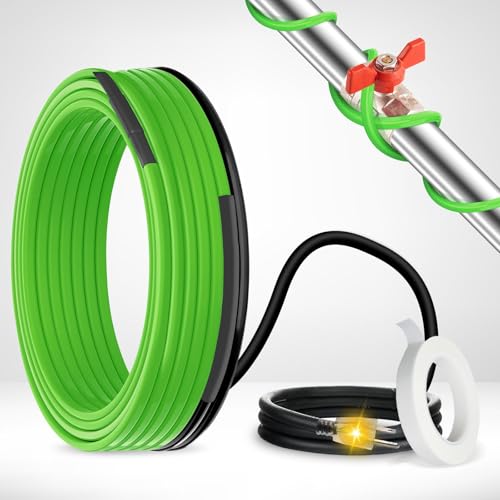
MAXKOSKO’s 5-foot self-regulating heat tape delivers 5W per foot with a 6-foot power cord option and a choice of cable lengths from 2 to 150 feet. It’s designed to prevent freezing with automatic regulation, supporting straight, spiral, or overlapped installations. This flexibility makes it suitable for varied pipe layouts, especially in garages or basements. A consideration is ensuring the heat tape length aligns with the specific pipe run so that there are no unheated gaps.
MAXKOSKO 6ft Self Regulating Heat Tape

MAXKOSKO’s 6-foot option continues the self-regulating approach with a 3-foot power cord, designed for a mix of straight or complex layouts. It protects water pipes down to -40°F and is suitable for longer runs where a single short segment cannot cover the entire length. Pros include energy efficiency and automatic operation. A potential downside is the need for careful routing to avoid overlapping segments that could influence heat distribution.
Buying Guide
What should you consider when choosing an electric pipe heater?
- Pipe type and length: Confirm whether the cable is suitable for metal, plastic, or both, and measure the total run to choose the correct length.
- Temperature range and protection: Look for products rated to prevent freezing down to at least -40°F and with built-in thermostats if possible.
- Power and energy use: Higher wattage provides faster heating but costs more to operate. Self-regulating cables help conserve energy by adjusting output.
- Certification and safety: CSA, ETL, and UL listings indicate compliance with safety standards. Consider models with grounded plugs and weather-appropriate ratings for outdoor use.
- Installation flexibility: Self-regulating tapes that can be straight, spiraled, or overlapped offer greater adaptability for different pipe configurations.
- Insulation considerations: Adequate insulation around pipes reduces heat loss and improves efficiency; some lines may require added insulation for best results.
Frequently Asked Questions
- Q: Do pipe heating cables work for outdoor pipes? A: Yes, many are designed for outdoor use when properly installed and protected from moisture; check the product’s installation guidelines.
- Q: How long does installation take? A: For most setups, planning and laying out the cable along pipes takes 30–60 minutes, plus plugging in and testing.
- Q: Can I run multiple cables on the same pipe? A: It’s generally not recommended to overlap heating cables; follow manufacturer guidance to avoid overheating.
- Q: Do these require professional installation? A: Most can be installed by a capable homeowner; consult the included instructions if you’re unsure.
- Q: How do I know if the system is working? A: Look for the built-in indicator light or test by measuring pipe surface temperature; ensure the thermostat cycles on and off as specified.
- Q: Are there safety considerations for pets and children? A: Place cables away from high-traffic areas and use GFCI outlets where appropriate; never cover cords with insulating materials that trap heat in unsafe ways.