
Answering the question for buyers seeking convenience and precise room heating, this guide highlights five top electric baseboard heater options that include remotes or smart control. These picks are suited for small-to-medium rooms, home offices, bedrooms, or spaces where you want easy, adjustable warmth without manual tuning. Each product section explains who it’s best for, why it stands out, and any limitations to consider.
| Product | Best For | Key Benefit |
|---|---|---|
| Mysa Smart Thermostat LITE for Electric Baseboard Heaters | Tech-savvy homes | WiFi control, schedules, voice assist |
| Comfort Zone 1500W Baseboard Heater | Budget-friendly rooms | Two heat settings, safety features |
| Mysa Smart Thermostat for 240V Baseboards | High-volt installations | Remote control, four‑wire setup |
| Cadet 500W Ul Baseboard | Small rooms | Compact, easy floor mounting |
| GiveBest 1500W WiFi Wall Heater | Versatile mounting | WiFi, remote, ECO mode |
Mysa Smart Thermostat LITE for Electric Baseboard Heaters
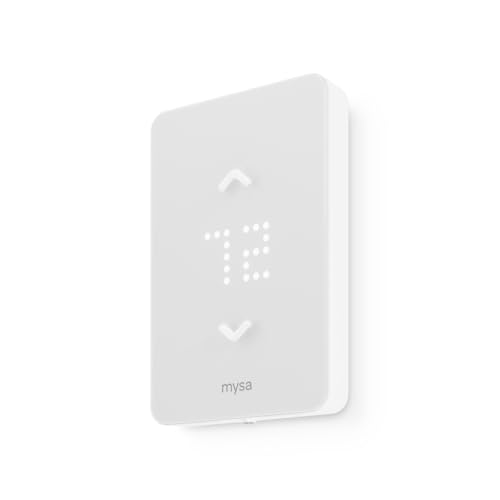
- Best for tech-forward homes. Direct WiFi control, no hub required, with 7-day scheduling and compatibility with HomeKit, Alexa, and Google.
- Who it’s for: Renters or owners who want remote control from anywhere and energy savings without extra hardware.
- Why selected: Flexible scheduling and voice control help reduce heating costs while maintaining comfort.
- Limitation: Requires compatible high/line voltage system; ensure your baseboard wiring matches the device’s needs.
Comfort Zone Electric Baseboard Space Heater with Adjustable Thermostat 1500W

- Best for reliable baseline heating: Two heat settings and adjustable thermostat for consistent comfort in medium rooms.
- Who it’s for: Homeowners seeking a straightforward, durable baseboard heater with solid safety features.
- Why selected: Good balance of price, output, and practical safety systems like overheat protection and tip-over switch.
- Limitation: Lacks built-in remote or smart features; manual adjustments required.
Cadet Baseboard Heater Ul 120 V/4.17 A White 30″ 500 W

- Best for small spaces: 500 W unit designed for easy floor mounting and multiple placement options.
- Who it’s for: Rooms needing modest warmth without occupying much space.
- Why selected: Notable for simple installation with two units included, enabling flexible layout.
- Limitation: Manual controls and limited smart features in this model.
GiveBest Electric Wall Heater with WiFi and Remote

- Best for flexible mounting: Works as a wall heater or portable with retractable feet and carrying handle.
- Who it’s for: People who want to move heat around a home or apartment, or need space flexibility.
- Why selected: Combines WiFi control, remote, and an ECO mode to optimize energy use.
- Limitation: Larger footprint than some compact models, so consider room dimensions before purchase.
meross Matter Smart Thermostat for Electric Baseboard Heaters
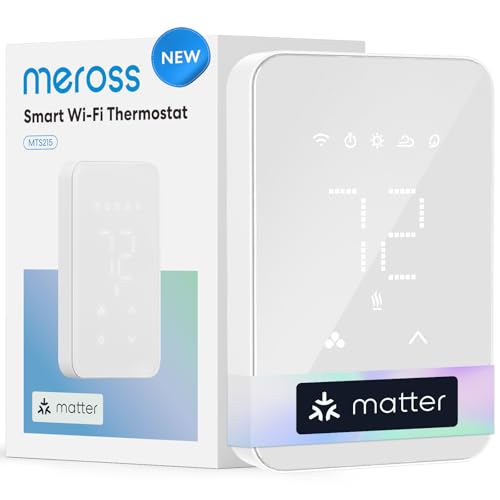
- Best for ecosystem flexibility: Works with Alexa, HomeKit, Google, and SmartThings via Matter compatibility.
- Who it’s for: Smart home owners who want broad voice assistant compatibility and remote scheduling.
- Why selected: Universal compatibility reduces platform lock-in and supports energy-saving routines.
- Limitation: Requires proper four-wire high-voltage installation; confirm wiring and neutral availability.
meross Smart Thermostat for Electric Baseboard (120V-240V)

- Best for high-voltage setups: Designed for 120-240V baseboard, convector, or fan-forced heaters with four-wire installations.
- Who it’s for: Users upgrading from older two-wire systems who want smart control and occupancy-aware scheduling.
- Why selected: Strong emphasis on compatibility with major voice platforms and energy-saving features.
- Limitation: Installation requires at least four wires; verify existing wiring before purchase.
Dreo Smart Wall Heater 1500W

- Best for versatile placement: Wall-mounted with 120° oscillation for even heat distribution and quick room warm-up.
- Who it’s for: Bedrooms or living rooms where even air flow improves comfort without hot spots.
- Why selected: Combines broad warmth with smart scheduling and voice control compatibility.
- Limitation: Some users may prefer a model with a physical thermostat display or simpler remote control.
Buying Guide: How to Choose The Right Electric Baseboard Heater With Remote Control
What room size should guide your choice?
For small rooms, a 500–750W unit can suffice. Medium rooms often need 1000–1500W, particularly if the space is drafty or poorly insulated. Large rooms may require higher output or multiple heaters. Always compare wattage to room square footage and climate for accurate heating.
Smart control vs. basic remote
Choose smart thermostats for energy savings, scheduling, and remote access. If you mainly want occasional heat without app reliance, a basic remote-controlled heater can be enough. Look for compatibility with Apple HomeKit, Google Home, and Amazon Alexa if you favor voice commands.
Wiring and installation considerations
High-voltage baseboard systems (120V–240V) require proper wiring, usually four wires including a neutral. Confirm compatibility with the heater and your existing electrical box. Some models require professional installation, especially for 240V systems.
Safety and reliability features
Tip-over switches, overheat protection, and stay-cool surfaces are essential for homes with children or pets. Whisper-quiet operation is a plus in bedrooms and study areas. Consider units with auto shutoff in case of overheating or uneven room temperatures.
Energy savings and usage patterns
Timers, adaptive display brightness, and ECO modes help minimize energy use. Scheduling that aligns with your daily routine can reduce wasted heat, while keeping spaces comfortable when you return home.
Installation practicality and aesthetics
Floor-mounted units fit under windows or along walls without clutter. Wall-mounted options free floor space and can distribute heat more evenly. Consider whether you want a portable or fixed installation based on room layout and mobility needs.
FAQ
- Do these heaters work with smart home assistants? Yes, several options support Apple HomeKit, Google Home, Alexa, and Matter compatibility.
- Are these suitable for rental properties? Yes, especially models with remote control and scheduling, as they reduce energy use without major installations.
- Can I install high-voltage baseboard thermostats myself? Installation may require electrical knowledge; check local codes and consider professional help for 240V systems.
- What is the best choice for a small room? A compact 500–750W unit or a baseboard with remote control can provide efficient warmth with minimal space usage.
- Do smart baseboard thermostats require a neutral wire? Many do require a neutral or a second live wire; verify the wiring before purchase.
- Will these save on heating costs? Smart scheduling and energy-saving modes can help reduce consumption, especially when you customize schedules around your routine.