
If you’re shopping for digital electric wall heaters, you want models that combine precise temperature control with reliable safety features. This guide highlights five top options that offer built-in digital thermostats, energy efficiency, and easy installation. The best choice varies by home size, voltage, and whether you need 120V, 240V, or hardwired setup. Below you’ll find clear, practical details to help you pick the right unit for your space and family needs.
Summary table of selected products:
- Cadet Energy Plus Wall Heater with Built-in Digital Thermostat – 120/208/240V, multiple BTU options
- Infandy Electric Wall Heater (120V) with Thermostat – three heating modes, timer
- Infandy Electric Wall Heater (240V) with Thermostat – three heating modes, timer
- Cadet Com-Pak Electric Wall Heater with Thermostat – 120V, 5120 BTU
- Broan-NuTone 9815WH High Capacity Wall Heater – 120/240V, adjustable thermostat
Cadet Energy Plus Wall Heater With Built-In Digital Thermostat
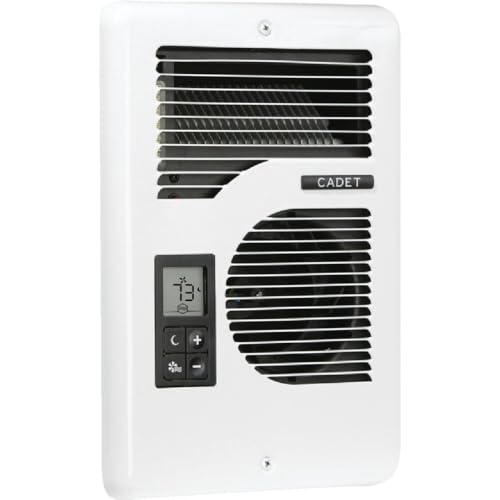
Best for: mid-sized rooms where precise digital control matters. The onboard digital thermostat offers push-button controls and a large display for easy setpoint changes. This unit includes thermal safeguard protection to automatically shut off if temperatures rise too high, enhancing safety in living spaces or bedrooms. The design also supports updating from Cadet Com-Pak series models without additional wall patching, which is convenient for remodels.
Why chosen: It combines a user-friendly digital thermostat with integrated safety features and a practical upgrade path for existing Cadet installations. The multiple voltage options (240/208/120V) provide flexibility for different wiring setups.
Limitation: The data does not specify a remote control option; operations rely on the built-in display and controls.
Infandy 120V Electric Wall Heater With Thermostat
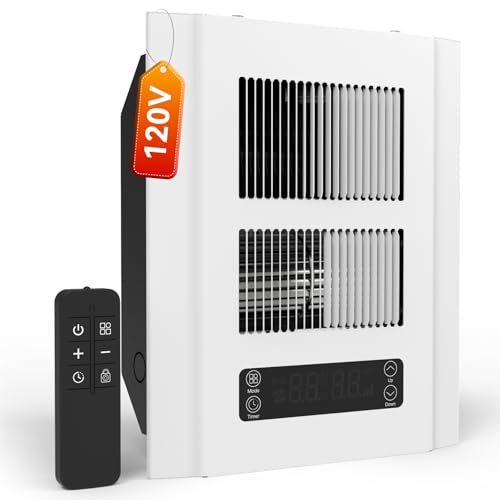
Best for: bathrooms or small rooms where a compact, energy-efficient heater with a built-in thermostat is desired. This unit provides three heating modes, a 9-hour timer, and a child lock for safety. It supports Fahrenheit/Celsius toggling for precise comfort control.
Why chosen: The model’s three modes (Full Power, Eco, Ventilation) help tailor energy use to comfort needs, while the timer and safety features support reliable daily use in homes with kids or pets.
Limitation: 120V operation limits use to smaller spaces unless multiple units are installed; ensure electrical circuit capacity before installation.
Infandy 240V Electric Wall Heater With Thermostat
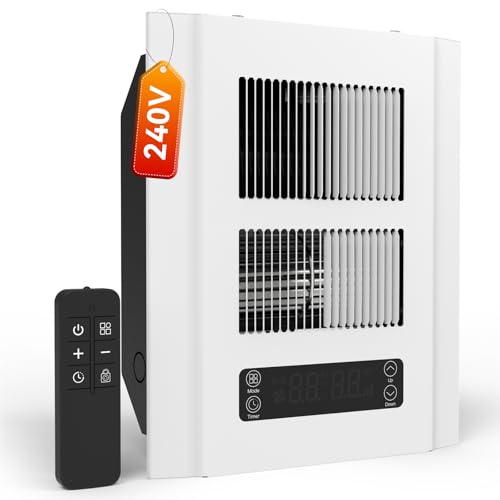
Best for: larger spaces or rooms requiring faster, more robust heating with a digital thermostat. This version uses 240V and also features three heating modes, a 9-hour timer, and safety protections comparable to the 120V sibling.
Why chosen: The higher voltage enables greater heat output with similar control logic, making it a better pick for bigger rooms or spaces with higher heat demands.
Limitation: As with the 120V model, ensure your electrical system supports 240V installations and that hardwiring is feasible in your wall cavity.
Cadet Com-Pak Electric Wall Heater With Thermostat

Best for: spaces where a compact, easy-to-install 120V heater with a built-in thermostat is ideal. This unit delivers 5120 BTU and is designed for quick installation in standard walls.
Why chosen: It provides a straightforward option for a reliable, thermostat-controlled heat source that fits in typical wall cavities without extensive remodeling.
Limitation: The model focuses on standard installation; check wall clearance and surrounding materials to maintain safe operation.
Broan-NuTone 9815WH High Capacity Wall Heater
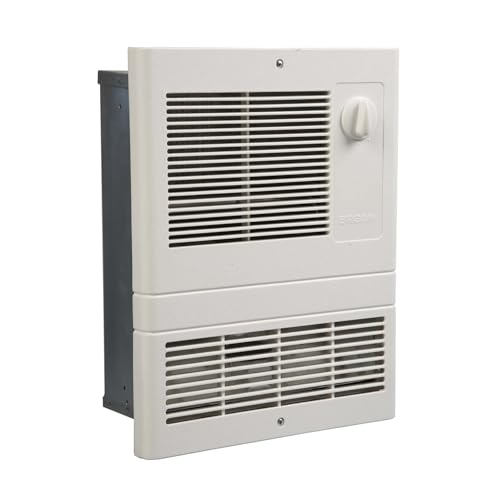
Best for: homes needing a larger, high-capacity wall heater with an adjustable thermostat. The unit operates at 1500W and supports 120V or 240V configurations, offering a clean, modern look with functional temperature control.
Why chosen: Its flexible voltage and adjustable thermostat make it suitable for mid-to-large rooms, garages, or workshops requiring stronger heat output without sacrificing control simplicity.
Limitation: The design emphasizes 1500W maximum; for very large spaces, multiple units might be more effective than a single unit.
JNDRO Wall-Mounted Heater With Eco Thermostat

Best for: users seeking eco-minded operation with a simple remote and LED display. This model includes a 60°/90°/120° oscillation range and a 24-hour timer, which helps distribute heat evenly throughout rooms.
Why chosen: The inclusion of an ECO mode and remote control makes it convenient for living rooms, offices, or bedrooms where flexible heat distribution and energy awareness are beneficial.
Limitation: Oscillation adds to installation options but can require more wall space; verify mounting clearance before purchase.
Buying Guide: Digital Electric Wall Heaters
What size and voltage should you choose?
For smaller rooms, a 120V unit with around 1000–1500 watts often delivers adequate warmth. Larger rooms or open floor plans may require 240V models or higher wattage to maintain comfort without running continuously.
Why choose a built-in digital thermostat?
A digital thermostat provides precise temperature control, a clear display, and easier scheduling. It helps reduce energy use while maintaining comfort, especially in spaces with fluctuating occupancy.
What safety features matter?
Look for thermal safeguards, overheat protection, and child locks. These features reduce risk in homes with kids or pets and improve reliability in bathrooms, bedrooms, and living areas.
Is remote control or smart connectivity important?
Remote control or Wi‑Fi connectivity adds convenience for adjusting heat from across the room or while away from home. If you want integration with home systems, consider models with a remote and digital interface.
Installation considerations
Ensure wall space and clearance meet the unit’s requirements, and verify compatibility with your electrical panel. Some models support existing wall can openings, which can simplify remodeling projects.
What about energy use and efficiency?
Choose modes like Eco or Low Power while maintaining comfort. Thermostats with precise temperature controls prevent overheating and reduce energy waste over time.
FAQ
- What is the difference between 120V and 240V wall heaters? − 240V units typically provide higher heat output, suitable for larger rooms, while 120V units are common for smaller spaces without upgrading electrical circuits.
- Do digital wall heaters require professional installation? − Some models are simple plug-in types, while others are hardwired. Check the product specs and local code requirements.
- Can I use a wall heater in a bathroom? − Use models rated for bathroom use and with overheat protection. Place according to local electrical codes and safety guidelines.
- Are oscillating heaters better for large rooms? − Yes, oscillation helps distribute heat more evenly across a room but requires more mounting clearance.
- Do these heaters support remote control? − Several models include remotes or Wi‑Fi options; verify in the product features if you want smart control.
- What is BTU and how does it relate to room size? − BTU indicates heating capacity. Compute needed BTUs by multiplying room square footage by desired temperature rise and adjusting for insulation and windows.