
Answering the common question of how to keep pellet stove vents clean and safe, this guide compares effective creosote cleaners designed for pellet stoves. The top picks below are suited for different needs—heavy buildup prevention, bulk treatments, or targeted spot cleaning. Best for homeowners seeking a simple, store-bought solution; better for those managing regular maintenance; choose this if you want bulk value; avoid this if you need a dedicated glass cleaner only. A quick buyer table follows to help you compare at a glance.
| Product | Best For | Approx. Treatments | Notes |
|---|---|---|---|
| Rutland Products Pellet Stove Creosote Remover, 4 lb | Moderate buildup, regular maintenance | 8 treatments of 8 oz each | Good balance of size and value |
| Rutland Products Pellet Stove Creosote Remover, 8 lb | Heavy buildup, seasonal maintenance | 16 treatments of 8 oz each | Bulk option with more treatments |
| Rutland Liquid Creosote Remover, 32 oz | Spot treatment, flexible use | Multiple applications per bottle | Versatile spray liquid for walls and creosote pockets |
| Co-Mate Chimney Cleaner (2.2 lb) | All-chimney types, dual-action | Up to 140 fires per bottle | Dual-action formula, broad compatibility |
| Rutland Creosote Remover, 2 lb Tub | Starter kit, smaller jobs | Up to 16 applications | Compact and cost-friendly |
Rutland Pellet Stove Creosote Remover 4 lb Bag

This 4-pound bag provides multiple treatments to help prevent dangerous creosote buildup in pellet stoves, wood stoves, and fireplaces. It combines a concentrated creosote-removing formula with quality wood pellets dried to 2-5% moisture. Best for homeowners aiming for regular, manageable maintenance. Data indicates 4 pounds equals eight 8-ounce treatments, offering solid value for ongoing care.
Who it’s best for: households with consistent stove use and a preference for combining cleaner with ready-to-burn pellet material. Limitations: effectiveness depends on proper moisture content and regular use.
Rutland Pellet Stove Creosote Remover 8 lb Bag

This eight-pound option expands the same Rust-free formula for heavy cleanup or seasonal prep. The product supports 16 treatments of 8 ounces each, making it suitable for households with higher usage or longer stoking seasons. Best for thorough maintenance when creosote buildup is more pronounced. Warning: ensure complete dispersion in the chimney or flue as directed.
Who it’s best for: users with higher stove activity or those who want fewer restocking events. Limitations: larger bag requires space and careful handling.
Rutland Liquid Creosote Remover, 32 Oz
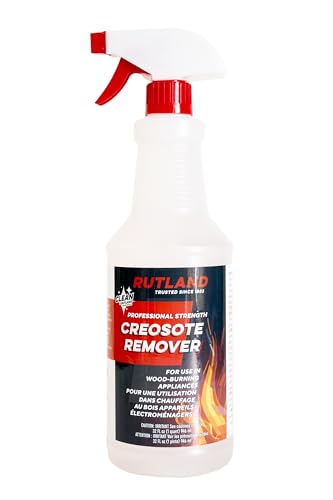
This liquid creosote remover is designed for spot treatment across pellet stoves, fireboxes, and broader chimney areas. It’s safe for use in various chimney configurations and will not harm catalytic converters. The formula penetrates sticky creosote and converts it into loose ash for easy brushing. Best for targeted cleaning or mixed-use setups. Limitations: ensure even spraying and allow adequate dwell time for effectiveness.
Rutland Stove Creosote Remover Pellets, 1 Treatment

These concentrated pellets provide a single-treatment option for reducing creosote buildup in pellet stoves, wood stoves, and fireplaces. The package states one box equals one treatment, making it straightforward for first-time users or those with a specific cleanup plan. Best for quick, one-off maintenance. Limitation: may require regular repetition for ongoing buildup control.
Co-Mate Chimney Cleaner (2.2 lb)

Co-Mate offers a dual-action formula designed to destroy creosote buildup and prevent new deposits. The product claims compatibility with all chimney types and stoves, including pellet and wood-burning units, with a bottle lasting up to 140 fires or more. Best for broad-use care and preventive maintenance. Limitation: results depend on consistent application and multiple-use scheduling.
Meeco’s Red Devil 701 Wood Stove Glass Cleaner (2 Pack)

While primarily a glass cleaner for stoves, this product helps remove creosote residues from glass surfaces on pellet and wood stoves. It comes as a value pack, offering extended use and convenience. Best for cleaning stove glass after creosote removal or when glass buildup is apparent. Limitation: not a primary creosote remove-in-the-flue solution; use in combination with actual creosote removers for full system cleaning.
Buying Guide: Key Considerations For Creosote Cleaners
Choosing the right creosote cleaner depends on stove type, usage, and the desired maintenance cadence. Consider the following questions to guide your decision.
What type of cleaner do I need for pellet stoves?
Pellet stoves benefit from products designed for dense combustion residues and compound creosote. Look for products specifically labeled for pellet stoves, with clear guidance on dosage and treatment frequency. Bulk options suit high-use homes; smaller tubes or pellets fit casual usage.
Should I choose a liquid cleaner or pellets?
Liquid cleaners excel for spot treatment and flexibility in applying to walls and creosote pockets. Pellets or granules are convenient for regular, broad maintenance and simple dosing. A combination approach can cover both immediate cleanup and ongoing prevention.
What safety considerations are important?
All cleaners should be used according to label directions. Ensure proper ventilation during use, avoid inhalation of fumes, and store products safely away from children and pets. If you have a catalytic converter or modern stove, prefer formulas labeled safe for such components.
How often should I clean or treat with creosote products?
Frequency depends on stove usage and regional climate. Light use may require seasonal treatments, while heavy use benefits from more frequent interventions. Follow product guidelines for suggested treatment intervals and number of applications per package.
Are there risks with over-application?
Over-application can lead to excessive residue or unnecessary buildup. Use only the recommended amount per cleaning cycle, and brush away loosened creosote as directed to avoid obstruction or poor airflow.
What is the best overall option for beginners?
A mid-size bag or versatile liquid cleaner paired with a spot-treatment solution is often best for newcomers. It provides a gentle introduction to creosote management while allowing room to scale up if needed.
FAQ
- What is creosote and why does it matter in pellet stoves? Creosote is a tar-like buildup from burning wood or pellets. It can clog vents and increase fire risk. Regular cleaning reduces hazards and maintains efficiency.
- Can I mix different brands of creosote cleaner? It’s best to follow each product’s instructions. Mixing cleaners may lead to unexpected chemical interactions or reduced effectiveness.
- Is a larger bag always better for savings? Not always. Consider your stove usage, storage space, and the number of treatments per bag to ensure cost-effectiveness.
- Are these products safe for catalytic converters? Some formulas are designed to be safe with catalytic converters; check the label to verify compatibility for your setup.
- What should I do after applying a creosote cleaner? Allow the recommended dwell time, brush away loosened ash, and inspect flues or chimneys for any remaining buildup before resuming use.
- Do I need professional cleaning for heavy creosote? Very heavy buildup may require professional cleaning. Use cleaners for maintenance, but consult a professional for signs of excessive accumulation.