
In this guide
Answering a common buyer question: a concentric vent kit 4-inch is designed to simplify venting by combining intake and exhaust into a single, compact assembly. This is ideal for homeowners upgrading to high-efficiency furnaces or tankless water heaters who want simpler installation, reduced roof or wall penetrations, and a cleaner exterior look. The top products below are selected for single-hole installations, weather resistance, and ease of use. The buyer types most served include DIY installers seeking cost savings and professional installers prioritizing ease and compatibility.
Summary at a glance: the following table highlights the five products chosen for this guide, focusing on size compatibility (4-inch or compatible), primary use (furnace or water heater), and key benefits.
| Product | Best For | Key Benefit |
|---|---|---|
| DiversiTech CVENT-4 | High-efficiency furnaces | Single-hole installation reduces labor |
| 22154 PVC Concentric Vent Kit 4″ (Water Heater) | Water heaters | UL 1738 compliance, bird/leaf protection |
| DiversiTech CVENT-3 (3-Inch) | Tankless water heaters and furnaces (3-inch) | Low-profile dual-pipe configuration |
| 22152 PVC Concentric Vent Kit 2″ | Water heaters (2-inch) | One-hole installation, easy assembly |
| Rinnai All-Weather Termination Kit | Tankless water heaters | 12-inch length, safe clearances |
DiversiTech CVENT-4 Concentric Vent Kit, 4-Inch

Best for: High-efficiency furnaces that require a single penetration for both intake and exhaust. This kit simplifies installation and reduces labor time by replacing dual-hole venting with one hole.
Why selected: The CVENT-4 is explicitly designed to streamline high-efficiency furnace venting. Features highlight a combined intake and exhaust path, which minimizes roof or wall openings and can save installation costs for contractors and homeowners alike.
Caution: The kit’s effectiveness depends on proper sizing and compatibility with your furnace model. Confirm that a 4-inch concentric configuration matches your unit’s venting requirements before purchase.
22154 PVC Concentric Vent Termination Kit, 4-Inch

Best for: Water heaters requiring a concentric termination with 4-inch piping. The design integrates intake and exhaust while protecting against birds and debris.
Why selected: This kit adheres to UL 1738 standards and mentions a vent screen feature to prevent leaves and birds from entering the exhaust, improving reliability for outdoor installations.
Caution: Some installations may require vertical or horizontal routing; verify your vent path fits a 4-inch concentric setup and local codes before installing.
DiversiTech CVENT-3 3-Inch Concentric Kit
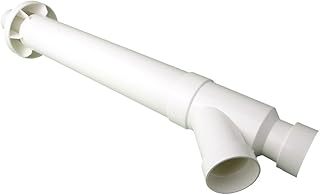
Best for: Applications needing a compact 3-inch concentric vent option for tankless gas water heaters and high-efficiency furnaces. It provides a dual-pipe configuration with a low-profile finish.
Why selected: The kit emphasizes proper ventilation as essential for safe operation of high-efficiency appliances, with a neat appearance that conceals inlet and exhaust piping.
Caution: Being a 3-inch option, it’s not interchangeable with a 4-inch system. Check your appliance’s venting spec to avoid mismatches.
22152 PVC Concentric Vent Termination Kit, 2-Inch

Best for: Water heaters or small appliances that require a compact 2-inch concentric termination. Suitable where space is tight or a lower profile is needed.
Why selected: This kit highlights time-to-install savings by requiring only one hole, suitable for horizontal or vertical venting paths.
Caution: Ensure your system’s diameter requirements match 2 inches to prevent installation issues or insufficient venting performance.
Rinnai All-Weather Termination Kit, 12-Inch

Best for: Tankless water heaters in outdoor or exposed locations where extended termination length helps reduce exposure to weather and debris.
Why selected: The 12-inch termination provides a longer runout, supporting clearances and safe exhaust handling for certain installations.
Caution: This kit is designed for Rinnai lsi and rci series; verify compatibility with your unit and local installation codes before purchase.
Buying Guide: Concentric Vent Kits — Key Considerations
- Size compatibility: Ensure the kit matches the appliance venting requirements (2″, 3″, or 4″ options). Mismatched sizes can lead to inefficient venting or required adapters.
- Single-hole installation: If your project aims to minimize roof or wall penetrations, look for kits that advertise one-hole installations and reduced labor.
- Vent path and orientation: Check whether the kit supports horizontal or vertical venting, and confirm any local code constraints on vent routing and termination.
- Material and standards: PVC/concentric kits often reference UL 1738 or similar standards. Choose materials rated for outdoor exposure if your termination is external.
- Protection features: Look for vent screens or other debris guards to prevent blockages from leaves, birds, or snow, especially in outdoor locations.
- Best-for scenarios: For furnaces, prioritize dual-pipe convergence and compact profiles. For water heaters, emphasize termination length and protection against backdrafts.
- Maintenance considerations: Some designs are easier to inspect and clean from the exterior, reducing maintenance time over the unit’s lifetime.
FAQ
- What is a concentric vent kit?
The kit combines intake and exhaust into a single vent pipe, reducing wall or roof penetrations. - Which size should I choose: 2″, 3″, or 4″?
Choose based on your appliance venting requirements and available space; 4″ is common for many high-efficiency units. - Are concentric vent kits universal for all brands?
No. Compatibility depends on the appliance model and the kit’s specifications. Always verify with the appliance manufacturer. - Do these kits require professional installation?
Installation complexity varies; some users with basic DIY skills can install, but many projects benefit from professional installation to ensure code compliance and safety. - Do concentric vents need annual inspections?
Regular inspection of vent terminations and exterior caps is advisable to ensure no blockages and proper sealing. - What safety codes apply to vent terminations?
Codes vary by location; check local building and mechanical codes, and ensure the kit conforms to UL or equivalent standards.