
Choosing the right chimney pipe for a coal stove is essential for safety, draft, and ease of installation. This guide highlights five top options that balance durability, heat resistance, and value. Each pick is suited to different setups, from simple single-wall runs to more demanding double-wall installations. Use this quick read to match your stove size, vent length, and climate to the best pipe choice.
| Product | Best For | Why It Stands Out |
|---|---|---|
| Imperial Snaplock 6 In. x 24 In. 1200 F Black Stove Pipe | Basic 6″ coal stove installations | Reliable snaplock connection; heat-rated to 1200°F; Canadian-made quality |
| AllFuel HST 18″ to 30″ Telescoping Pipe for 6″ Diameter | Measured, adjustable runs | Telescoping length for easy fit; thicker gauge steel for durability; high-temp finish |
| DuraVent DVL 6DVL-24 Easy to Install 6 Inch | Double-wall installation | Double-wall design emphasizes safety and draft; quick installation |
| DuraVent DVL Double-Wall 6″ x 48″ | Longer runs with strong draft | Extended length, double-wall construction for efficiency and safety |
| LEIFIDE 6 Inch 24 Inch Stainless Steel Stove Pipe | Rust resistance and wall-through applications | 304 stainless steel, crimped ends for easy assembly, corrosion resistance |
Introduction text above serves as a starting point. Below, five selected products are detailed to help you compare features, installation notes, and buyer suitability. The focus is on coal stove applications where safety and reliable draft are top priorities.
Imperial Snaplock 6 In. x 24 In. 1200 F Black Stove Pipe

Best for small to mid-sized coal stoves needing a straightforward, secure connection. The Imperial Snaplock pipe uses a snap-lock joint that helps minimize leaks and ease assembly on 6-inch runs. It is designed to withstand high temperatures up to 1200°F, making it suitable for coal burning where exhaust temps can remain elevated during steady operation. Best for buyers seeking a simple, durable option with predictable performance. Limitation: details on thickness are not specified beyond heat rating, so check compatibility with longer, custom runs.
AllFuel HST 18″ to 30″ Telescoping Pipe for 6″ Diameter

Better for adjustable installations where vent length must be precise. This 6″ diameter single-wall pipe uses an 18″-30″ telescoping design, eliminating the need to cut pipe on site. It is built from 21-gauge steel, which is thicker than common options, and finished with high-temperature black paint to resist chipping or peeling. Choose this if your chimney run varies or you need a clean, one-piece adjustment. Caution: the product notes state the pipe cannot be cut down, so measure carefully before purchase.
DuraVent DVL 6DVL-24 Easy to Install 6 Inch
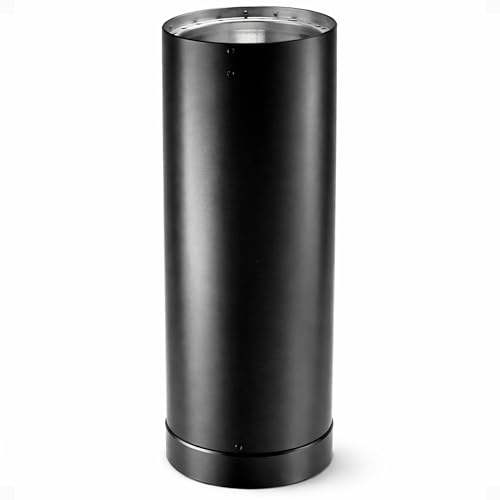
This option uses a double-wall stainless/galvanized construction designed for coal, wood, or mixed-fuel stoves. It emphasizes maintaining high flue gas temperatures to sustain a strong draft while reducing surface temperature on exterior sections. Best for customers prioritizing safety and efficiency with a straightforward install. Limitation: the description notes compatibility with various fuels; verify your stove’s exhaust characteristics to avoid over- or under-venting in constrained spaces.
DuraVent DVL Double-Wall Chimney Stove Pipe, 6″ x 48″
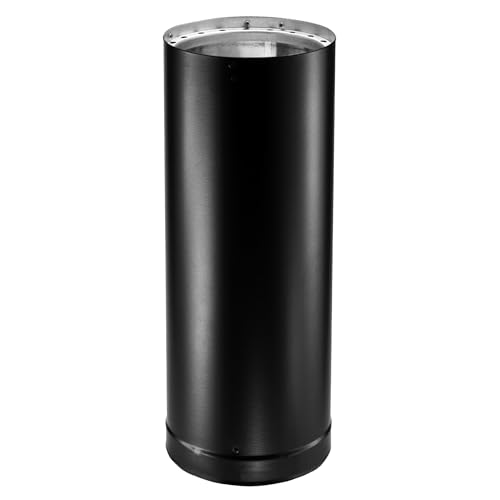
Ideal for longer, multi-room coal stove vent runs where a robust draft and excellent heat containment matter most. The 6″ x 48″ double-wall pipe provides a longer single run with the same safety emphasis found in other DuraVent products. Best for homeowners planning extended vent paths or attic/ceiling installations. Caution: ensure your chimney diameter and roof clearance align with the 48″ length to prevent excessive exposure near combustibles.
LEIFIDE Black Matte Stove Pipe Crimped Flue 6 Inch

Best for durable through-wall or vertical installations where stainless steel is preferred. The LEIFIDE pipe features 304 stainless steel with crimped ends for easier assembly and a reliable seal. It is designed to resist rust and heat exposure, making it suitable for coal burning environments. Limitation: the package shown includes four sections, so verify total length needs and whether you require additional fittings for your specific setup.
Buying Guide: Key Purchase Considerations
- Single-wall vs double-wall: Single-wall pipes are lighter and easier to install in short runs; double-wall pipes provide better insulation and safety for warmer exterior surfaces and longer vent paths.
- Diameter compatibility: Most coal stoves use 6″ or 8″ pipes. Match the stove outlet to the pipe diameter for a tight fit and optimal draft. If converting from a different size, plan for adaptors.
- Length and fit: Telescoping lengths offer flexible install options for irregular ceilings or floors. Measure precisely to avoid overhangs or gaps.
- Material and finish: Stainless steel resists corrosion and is preferred for long-term coal use. Galvanized steel provides good performance at a lower cost but may require more care in humid environments.
- Heat safety: Look for pipes rated for high temperatures and consider double-wall designs in spaces with ceiling or wall clearances to reduce exterior surface temperatures.
- Installation considerations: Some systems emphasize quick installation or specific joint designs (snap-lock, crimped ends). Check local clearance requirements and whether you need supportive brackets or insulation.
Common Installation Scenarios
- Simple, short run from coal stove to nearby chimney: single-wall 6″ pipe is often sufficient.
- Longer interior runs or attic passages: consider a double-wall 6″ pipe for added insulation and safety.
- Through-wall or through-roof installations: ensure proper flashing, sealing, and support brackets; stainless options offer extra durability in outdoor sections.
How To Choose The Right Product
- Identify your stove exhaust diameter and desired run length.
- Decide between single-wall ease of installation and double-wall safety/efficiency.
- Consider climate: coastal or humid areas benefit from stainless steel; dry inland environments may favor galvanized options.
- Plan for future adjustments: telescoping or extendable lengths reduce the need for cutting and new fittings.
Frequently Asked Questions
- What is the safest stove pipe material for coal stoves? Stainless steel or galvanized steel with proper clearances. Stainless offers greater corrosion resistance over time.
- Can I use a 6″ pipe for an 8″ stove outlet? No. Use the correct diameter or an adapter kit designed for the transition.
- Is double-wall pipe always better than single-wall? Not always. Use double-wall for longer runs or high-heat exposure; single-wall is simpler for short, nearby vents.
- Do telescoping pipes compromise safety? When installed per manufacturer guidelines, telescoping pipes provide accurate length without on-site cutting, preserving a tight seal.
- How do I know if my chimney needs a cap or screen? A chimney cap helps prevent debris and animals from entering; choose a cap compatible with your pipe diameter and roof design.
- Should I seal joints with a specific sealant? Use a high-temperature sealant rated for chimney use and compatible with the pipe material and joint type.