
Answer: For households with kids or pets, choose heaters that lower surface temperatures, reduce noise, and offer passive safety features. The top picks below are designed to minimize burn risks, quiet operation, and even heat distribution. Best for bedrooms, playrooms, and family spaces, these options emphasize cool-to-touch surfaces, efficient heat retention, and simple installation. The table below highlights five models that balance safety, performance, and ease of use.
| Product | Brand | Type / Notes | Key Safety Feature |
|---|---|---|---|
| Cadet F Series 24″ Electric Baseboard Heater | Cadet | Electric baseboard heater, standard metal enclosure | Simple, robust design with solid metal housing for reduced risk of protrusions |
| Cadet SoftHeat 47″ Electric Hydronic Baseboard Heater | Cadet | Hydronic baseboard heater with softer heat profile | Lower surface temperatures for kid-friendly rooms |
| Cadet F Series 36″ Electric Baseboard Heater | Cadet | Electric baseboard heater with convection heat | Convection design for even warmth and reduced hot spots |
| Fahrenheat FHP1500T 58″ Hydronic Portable Baseboard Heater | Fahrenheat | Hydronic portable baseboard heater | Liquid-filled heat with steady, quiet operation |
| Stelpro Brava Electric Baseboard Heater | Stelpro | Hardwired electric convection baseboard | Full-length protection and quiet convection without fans |
Cadet F Series 24″ Electric Baseboard Heater
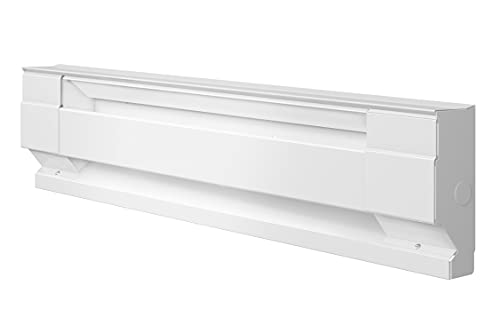
Best for small rooms and trouble-free installation, this Cadet model offers a compact 24″ footprint with a white steel housing. It suits spaces where a traditional, simple heater is preferred and where a straightforward electrical hookup is available. Best for: apartments, nurseries, and guest rooms that require dependable warmth with minimal risk of contact.
Notes: It’s an electric unit with standard wiring and a basic design. Best for: households seeking a no-frills, durable baseboard option. Caution: Ensure proper clearance around the unit to maintain airflow and safety around small children.
Cadet SoftHeat 47″ Electric Hydronic Baseboard Heater

Best for bedrooms and nurseries, this hydronic option provides cooler exterior temperatures and longer-lasting warmth. It helps reduce surface heat while maintaining comfortable room temperatures, contributing to a safer sleeping environment for kids and pets. Best for: rooms where a gentler heat profile is preferred and quiet operation is important.
Notes: Hydronic design means heat is stored in a liquid-filled element, which can improve heat retention. Caution: If you need rapid heat response, hydronic units may feel slower to respond than pure electric models.
Cadet F Series 36″ Electric Baseboard Heater
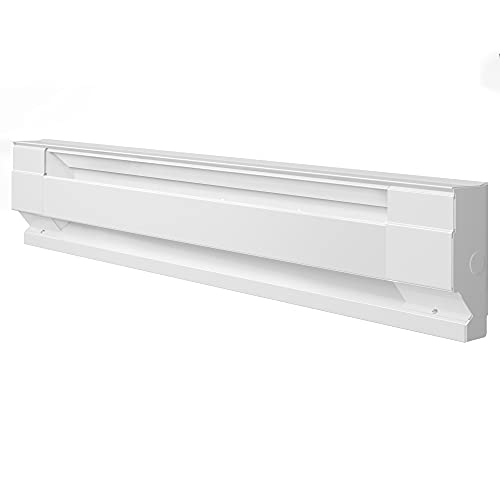
Best for medium rooms, this 36″ Cadet model offers powerful warmth with multi-watt capabilities (750/563 Watts) at 240/208 Volts. It’s a solid choice for living rooms or home offices where steady, even convection heat is valued. Best for: medium-sized living spaces that require reliable, uniform heat distribution.
Notes: Pre-punched knockouts and easy wiring simplify installation. Caution: Like all baseboard heaters, keep the area free of clutter to avoid obstructing airflow.
Fahrenheat FHP1500T 58 in. Hydronic Portable Baseboard

Best for larger rooms or spaces needing flexible placement, this 58″ portable hydronic heater provides even heat with a quiet operation profile. Hydronic warmth tends to stay comfortable after cycling off, which can be favorable for kids’ rooms. Best for: studios or larger family spaces where a mobile heating solution is beneficial.
Notes: Portable design adds flexibility but requires care around cords and placement. Caution: Ensure the unit is used in appropriate environments and away from moisture-prone areas to maintain safety.
Stelpro Brava Electric Baseboard Heater

Best for quiet, durable heating in hardwired installations, the Stelpro Brava offers full-length thermal protection and a no-end-cap design for a clean aesthetic. The convection approach distributes warm air evenly without fans. Best for: bedrooms and living areas where a permanent, low-noise heat source is desired.
Notes: This unit requires hardwiring and a compatible thermostat setup. Caution: Proper electrical installation is essential for safety and to maintain warranty expectations.
Buying Guide: Child-Safe Baseboard Heaters
What features matter most for child safety?
- Cool-to-touch surfaces and heat retention properties.
- Low surface temperature and even heat distribution to prevent hot spots.
- Enclosed or low-profile housings to minimize contact exposure.
What heating type fits your space?
- Electric baseboard: Simple retrofit in many rooms; direct wiring is required.
- Hydronic baseboard: Runs a liquid-filled core, often with lower surface temperatures and longer heat retention.
- Convection vs. radiant: Convection warms air for larger areas; radiant focuses warmth to nearby objects, with different comfort profiles.
Installation and compatibility considerations
- Check room size, ceiling height, and baseboard length to match the heater’s BTU needs.
- Ensure proper clearance around the unit to maintain airflow and safety.
- Consider whether you want a plug-in or hardwired model, and plan thermostat control options.
Safety and maintenance considerations
- Install in areas away from water and high-traffic zones where cords or protrusions could pose risks.
- Regularly inspect end caps and housings for signs of corrosion or damage.
- Keep flammable materials away from heater surfaces and airflow paths.
Frequently Asked Questions
- What makes a baseboard heater safer for kids?
– Lower surface temperatures, enclosed housings, and quiet operation reduce burn risk and distractions for children. - Are hydronic baseboard heaters safer for homes with pets?
– Hydronic models tend to have cooler exterior surfaces and stable temperatures, which can be gentler for pets. - Can baseboard heaters be plugged into outlets?
– Some models are plug-in, while others require hardwiring. Always follow manufacturer instructions and local codes. - How do I choose the right BTU for a room?
– Determine room size (length × width × height) and insulation quality; a higher BTU provides more rapid heating but may overshoot in small spaces. - Do these heaters need maintenance?
– Most require minimal maintenance, but periodic inspection of the housing, mounting, and wiring is recommended for safety. - Is fans-free operation important for bedrooms?
– Yes. Heaters with convection or radiant designs can avoid noisy fans, improving sleep comfort.