
Answering the search for inexpensive ways to keep an RV warm and comfortable, this guide highlights five practical heat-related products. Each option focuses on energy efficiency, ease of use, and value. The best picks suit budget-conscious travelers, seasonal campers, and DIY-ready RV owners looking to reduce heat loss or improve hot-water reliability without breaking the bank. The summary table below compares the top five products to help you decide quickly.
| Product | Best For | Why It Stands Out |
|---|---|---|
| Reflective Bubble Insulation Sheet | Window insulation and summer-to-wwinter heat control | Double-sided reflective aluminum film with bubble cushion for year-round insulation |
| APUS RV Tankless Water Heater | On-demand hot water in RVs, space-saving | 68,000 BTU, 3.9 GPM, compact, high-altitude capable |
| Suburban 10 Gallon Water Heater | Reliable hot water with durable tank | Porcelain-lined steel tank, optional electric element, corrosion protection |
| Camco Tank Rinser | Cleaner hot-water system, extends heater life | Flushes sediment; improves heater performance and efficiency |
| Atwood/RV Thermal Cut Off Kit | Safety backup for RV water heaters | Thermal fuse replacement for Atwood models; essential for preventing flare-ups |
Reflective Bubble Insulation Sheet For RV Windows

The FONUNO Reflective Bubble Insulation Sheet provides a low-cost method to reduce heat transfer through RV windows. It uses double-sided aluminum foil and a polyethylene air bubble cushion to reflect radiant heat and trap air for insulation. The sheet is described as durable, scratch-resistant, and easy to clean, with a foldable design for space savings. Best for RV owners seeking quick window insulation to cut cooling costs in summer and heat loss in winter. Caution: ensure proper fit and avoid sharp edges that could damage window seals over time.
APUS RV Tankless Water Heater

The APUS 68,000 BTU RV tankless water heater provides on-demand hot water with a claimed flow of 3.9 GPM. It is designed for RV use with a compact footprint and a 12V power connection. It supports high-altitude operation and includes a remote option and a black door. This option is best for RV owners who want endless hot water without a bulky tank. Choose this if you need rapid hot water and space efficiency; avoid if you require a legacy tank setup or if your electrical system cannot support 12V operation.
Suburban 10 Gallon Water Heater

The Suburban Advantage 10 Gallon Tank Water Heater features a porcelain-lined steel tank for durability and corrosion protection via a replaceable anode rod. It offers flexible power options with an optional electric element, making it suitable for campgrounds with varying power availability. Best for RV owners who want a robust, long-lasting heater and the option to heat via generator power. The downside is that a larger unit may require more installation space and electrical planning.
Camco Tank Rinser
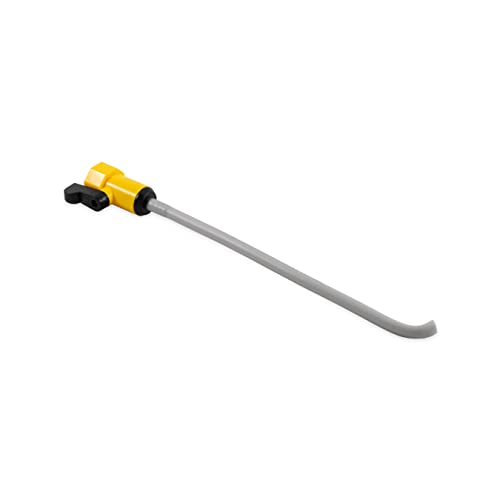
The Camco Tank Rinser improves water heater performance by flushing sediment from the tank. It extends heater life by reducing sediment buildup which can impede heating efficiency. Best for RV owners who want to maintain cleaner hot water and preserve heater efficiency. A limitation is that effectiveness depends on regular usage and proper operation with a garden hose connection.
ONENESS 369 Anode Rod Or Black Nut

This ONENESS 369 9.25” x 3/4” NPT magnesium anode rod offers corrosion protection for RV water heaters. It includes a black nut variant designed for mineral-rich water environments. Best for RV owners looking to extend tank life by reducing corrosion. Choose this if your water source is hard or mineral-rich; avoid if your heater model lacks the specified rod size or if soft water corrosion risks are minimal in your area.
Buying Guide: Key Considerations For Cheap RV Heat
- Heat loss prevention: Evaluate window insulation and reflective barriers to minimize cooling loss and reduce furnace use. Look for durable, easy-to-clean materials with foldable storage.
- Water heating options: Distinguish between on-demand tankless systems and traditional tank heaters. Tankless units save space and can provide endless hot water, while tanks offer straightforward maintenance and compatibility with existing hookups.
- Energy sources and compatibility: Check electrical and propane requirements, altitude performance, and whether units support your RV’s electrical system or generator use.
- Maintenance needs: Prioritize components that reduce sediment buildup, protect against corrosion, and require minimal maintenance for reliability on the road.
- Safety considerations: Include thermal cut-off replacements and proper venting for any heating system to prevent overheating and flare-ups.
- Installation footprint: Consider space constraints in your RV’s interior and the ease of installation or upgrade work for DIY projects.
Frequently Asked Questions
- What adds insulation effectively for RV windows on a budget? – Reflective bubble insulation sheets offer a low-cost option to reduce radiant heat transfer and improve privacy without permanent installation.
- Is a tankless water heater worth it for RVs? – For many, tankless models provide endless hot water and save space, but require compatible electrical or propane setup and proper venting.
- Can I use a regular water heater in an RV? – RV-specific models are designed for compact spaces, travel conditions, and varying power sources; standard home heaters are not recommended for RV use.
- Do magnesium anode rods improve RV water heater life? – Yes, magnesium rods help prevent tank corrosion and extend heater life, especially in mineral-rich water conditions.
- What maintenance helps keep RV heating costs down? – Regular flushing of tanks, using sediment-reducing accessories, and maintaining proper insulation minimize energy use and prolong equipment life.
- Are safety devices like thermal cut-offs necessary? – Thermal cut-offs protect against overheating and are essential for safe operation of certain RV water heater models.