
If you need a reliable cleaner for ceramic glass in fireplaces, this guide identifies top options that remove soot, creosote, and smoke without scratching surfaces. These cleaners suit different homes and fuels, from gas fireplaces to wood stoves. The top picks below are best for quick maintenance, deep cleaning, and residue protection. The buyer-friendly table highlights each product at a glance for easy comparison.
| Product | Best For | Key Benefit |
|---|---|---|
| Rutland White Off Gas Fireplace Glass Cleaner Cream | Gas fireplaces | Special formula for white residue |
| Quick N Brite Fireplace Glass Cleaner Kit | Every glass surface | Complete kit with cloth and sponge |
| Rutland Hearth And Grill Conditioning Glass Cleaner | High-temp glass | Silicone coating for easier next clean |
| Rutland Fireplace Glass And Hearth Cleaner (Ammonia-Free) | General soot removal | Ammonia-free, versatile |
| Meeco’s Red Devil 701 Wood Stove Glass Cleaner | Wood stoves | Two-pack for extended use |
Rutland White Off Gas Fireplace Glass Cleaner Cream
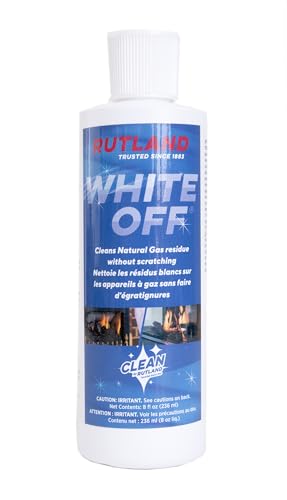
Best for removing white residue on gas fireplace glass doors, this Rutland cream cleans without scratching or micro-pitting. It’s also safe for cooktops, stainless steel, and fiberglass. Use this when you need a non-abrasive finish and easy wipe-down after a gas flame cycle.
Who it’s best for: Gas fireplace owners seeking a gentle, residue-free polish without damage risk. Why selected: specifically formulated to tackle white buildup common on gas logs.
Caution: Apply as directed; avoid prolonged contact on non-glass metal surfaces to prevent streaking.
Quick N Brite Fireplace Glass Cleaner Kit
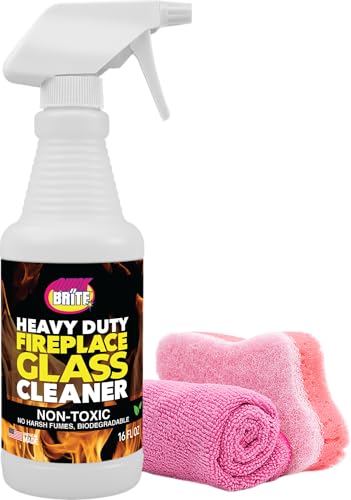
Best for comprehensive cleaning with a kit that includes cloth and sponge. It removes soot, smoke, creosote, and more from glass surfaces. Suitable for cool glass and various fireplace glass types, including stoves and doors. This option emphasizes ease of application and thorough residue removal.
Who it’s best for: Homeowners wanting an all-in-one solution with accessories. Why selected: ready-to-use kit reduces extra shopping and setup time.
Caution: For extremely dirty areas, repeat the cleaning step as needed to avoid streaking.
Rutland Hearth And Grill Conditioning Glass Cleaner

Best for high-temperature glass and stove surfaces, this Rutland cleaner leaves an invisible silicone coat that helps glass stay cleaner longer. It uses micro scrubbers to remove soot and creosote without scratching. Ideal for both hearth and grill glass cleaning routines.
Who it’s best for: Users who want a longer-lasting clean with a protective finish. Why selected: silicone layer helps reduce future buildup.
Caution: The silicone coating may alter finish if overapplied; follow product directions for thinning and removal.
Rutland Fireplace Glass And Hearth Cleaner (Ammonia-Free)

Best for versatile soot and creosote removal across fireplace doors, wood stoves, and screens. Ammonia-free formula reduces harsh fumes while maintaining effective cleaning. Useful for both indoor and outdoor applications on metal and glass surfaces.
Who it’s best for: Cleaners seeking a non-irritant formula with broad usability. Why selected: broad applicability across multiple fireplace components without ammonia.
Caution: Test on an inconspicuous area first to confirm surface compatibility.
Meeco’s Red Devil 701 Wood Stove Glass Cleaner

Best for wood stove glass, this two-pack provides extended use and a powerful formula to remove baked-on creosote, soot, and smoke. The ready-to-use spray simplifies application for quick, streak-free results on stove glass surfaces.
Who it’s best for: Wood stove owners needing a high-efficiency, ready-to-use cleaner. Why selected: two-pack offers longer-term supply and value.
Caution: Use in well-ventilated areas; avoid contact with skin for extended periods as a precaution.
Buying Guide: Ceramic Glass Cleaners For Fireplaces
What to consider when choosing a fireplace glass cleaner:
- Surface compatibility: Ensure the cleaner is safe for ceramic glass, stove doors, and hearth components.
- Ammonia content: Ammonia-free formulas are gentler on indoor spaces but may be less aggressive on heavy buildup.
- Application ease: Sprays, foams, or gels affect how easily you apply and wipe clean; consider kits that include pads or cloths if you want convenience.
- Residue and coating: Some cleaners leave protective or silicone coatings that ease future cleans; note if you want a temporary polish versus long-term protection.
- Safety and fumes: For enclosed spaces, choose low-odor or low-VOC options to minimize indoor air concerns.
- Versatility: If you own multiple fuel types (gas and wood), a multi-surface cleaner can simplify maintenance.
Frequently Asked Questions
- What is the best cleaner for creosote on fireplace glass?
– Look for cleaners formulated to remove creosote and soot, preferably ammonia-free if you are sensitive to fumes. - Can I use kitchen glass cleaners on fireplace glass?
– Some are safe; however, specialized fireplaces cleaners are designed to avoid scratches and residue buildup. - Is it safe to use an ammonia-based cleaner indoors?
– Ammonia-based products can emit strong fumes; ensure proper ventilation and follow product directions. - Should I use a microfiber cloth after cleaning glass?
– Yes, microfiber cloths help achieve a streak-free finish without leaving lint. - Do these cleaners leave a protective layer on glass?
– Some products leave a thin silicone or conditioning layer to ease future cleaning; check product details for specifics. - Are two-pack cleaners worth it for wood stoves?
– For frequent cleaning, a two-pack provides extended use and cost efficiency.