
Find the right cabin hot water heater to supply steady hot water in off-grid or compact spaces. This guide highlights compact electric and propane tankless options ideal for cabins, RVs, barns, and small cabins. It explains who each heater is best for, with practical pros and a clear limitation to consider before buying. The top picks cover electric plug‑in units for tight spaces and portable propane models for remote or off-grid locations. A quick comparison table helps buyers decide faster.
| Product | Fuel | Best For | Notes |
|---|---|---|---|
| GE 10 Gallon Versatile Electric Water Heater | Electric | Small cabins or RVs needing plug‑in heat | 8‑year warranty, compact |
| VEVOR 10 Gallon Electric Water Heater | Electric | Family showers in medium cabins | LED display, adjustable temp |
| VEVOR 12 Gallon Electric Tank Water Heater | Electric | Small apartment or cabin corner with 120V | Insulated, multiple protections |
| Outdoor Tankless Propane Water Heater 6L | Propane | Camping, remote cabins, or off‑grid setups | On‑demand with 1.58 GPM |
| VELPAX Propane Tankless Water Heater | Propane | Indoor propane setup with strong flow | 4.21 GPM, safety protections |
GE Appliances 10 Gallon Versatile Electric Water Heater
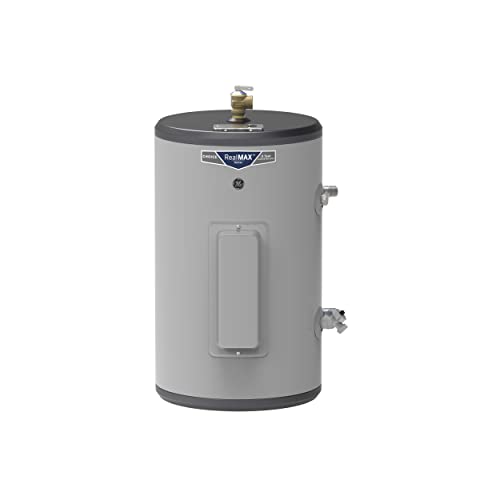
Best for small cabins or RVs that require a plug‑in, space‑saving unit. Key features include easy installation with 3/4‑in NPT connections and a standard 120‑V supply. The design prioritizes compact footprint for tight spaces like kitchens, bathrooms, or laundry corners. The model carries an 8‑year warranty covering tank and parts, with an additional 1‑year labor option for peace of mind. Choose this if you need a straightforward, plug‑in hot water solution with a long‑lasting warranty and minimal plumbing work. A potential limitation is that it is not designed for high‑demand households with multiple simultaneous water outlets.
VEVOR 10 Gallon Electric Water Heater

Best for families needing more hot water capacity in a cabin while still using standard 120‑V power. It provides 10 gallons in storage and features a 1600W heating element to reduce wait time. An LED display and knob control simplify temperature adjustments, while enamel coating and safety features enhance reliability. It’s better for cabins with a dedicated 120V circuit. A caveat is that electrical requirements must be met for optimal performance, and energy use climbs with higher temperatures or larger loads.
VEVOR Electric Tank Water Heater, 12 Gallon

Best for small apartments or cabins needing more flexible outlets. This 12‑gallon tank provides 1–2 outlets for showers, handwashing, and dishwashing. It emphasizes fast heating and durable insulation to maintain temperature. The unit includes protections such as dry heating and IPX4 waterproofing for safety in damp spaces. Choose this if you have occasional higher hot water demand but limited space. A limitation is the larger footprint compared to smaller 10‑gal models.
Outdoor Tankless Propane Water Heater 6L — Amzgachfktch

Best for camping, RVs, cabins, or off‑grid use where portability matters. The ultra‑slim 6L design weighs about 12 pounds and includes a foldable handle for easy transport. It delivers instant hot water at 1.58 GPM with a 40,000 BTU/hr output. A notable benefit is its on‑demand performance without preheating. Consider that propane units require safe outdoor ventilation and weather protection; this model is best for outdoor, ventilated setups. It may not be ideal for indoor spaces without appropriate installation and venting.
VELPAX Propane Tankless Water Heater

Best for indoor propane setups needing robust flow. This 4.21 GPM propane tankless model provides steady temperature control and multiple protections, such as flame failure and anti‑freeze features. It operates with a propane‑only design and a wide pressure range, making it suitable for cabins with dedicated propane supply lines. A limitation is that higher water flow demands may require a larger unit or multiple points of use, depending on concurrent usage.
Buying Guide: Key Considerations for Cabin Hot Water Heaters
- Fuel type and availability: Electric units require 120V power, while propane units need a reliable gas supply and ventilation.
- Hot water demand: For small showers or sinks, 6–12 gallons of storage may suffice; for multiple outlets, consider higher capacity or tankless options.
- Electrical or gas safety: Look for protections like overheating, dry firing, and IP ratings for damp environments.
- Installation space: Measure the footprint before purchase; tank heaters need more cabinet space, while tankless units demand venting or outdoor mounting considerations.
- Maintenance and warranties: Longer warranties reduce long‑term risk; check parts availability and service support for cabin setups.
- Portability vs. permanence: Portable propane models suit seasonal cabins or remote locations; electric models fit stationary cabins with power access.
Practical tips for choosing
- Choose electric for simplicity and quiet operation in enclosed spaces.
- Opt for propane tankless for off‑grid or remote cabins where 24/7 hot water is needed without electricity.
- Consider models with digital displays and precise temperature control to avoid scalding and conserve energy.
FAQ
- What size cabin water heater do I need? – Estimate daily hot water use and pick a storage capacity or flow rate that matches peak demand without excessive standby heat loss.
- Are 6L propane heaters safe for cabins? – They can be safe when installed with proper venting, clearance, and CSA/UL listed components; outdoor installation is common for these units.
- Is electric better for indoor cabins? – Yes, for controlled indoor environments with reliable electricity and limited venting needs.
- Do tankless propane heaters require venting? – Indoor models typically require venting; outdoor or poorly ventilated spaces may use outdoor units with proper clearance.
- Can I mix electric and propane in the same cabin? – It’s possible but requires professional planning to ensure gas lines, venting, and electrical circuits are safely separated and code-compliant.
- What maintenance is needed for cabin heaters? – Regular inspection of connections, valves, anode rods for electric tanks, and cleaning inlet filters help maintain efficiency and safety.