
In this guide
- Naturehike 3-in-1 Butane Camping Heater
- MOZODAWN 2-in-1 Propane Heater & Stove
- Hisencn 4,300 BTU 2-in-1 Propane/Butane Heater
- Dyna-Glo 23,800 BTU Indoor Kerosene Convection Heater
- Gas One Portable Butane Camping Stove with Case
- HTTMT Portable 2-in-1 Red Butane LP Gas Ceramic Heater
- Buying Guide: Key Purchase Considerations
When choosing a compact, indoor-friendly heat source, butane heaters offer portability and targeted warmth for small rooms, tents, or cabins. This guide highlights five top options that balance safety, efficiency, and ease of use. Each product adapts to limited power needs while delivering reliable heat without requiring electricity. Consider heat output, fuel compatibility, safety features, and the ability to double as cooking or heating surfaces to suit your space and activities.
| Product | Fuel Type | BTU / Heating Capacity | Indoor Safety Notes |
|---|---|---|---|
| Naturehike Portable 3-in-1 Camping Heater | Butane | 3750 BTU | 3-in-1 design; uses insulated shelf; compact for small spaces |
| HTTMT- Portable 2 in 1 Red Butane LP Gas Ceramic Heater | Butane / LP gas | 4,400–10,000 BTU/HR | Dual-purpose with cooking; heats ~100 sq ft |
| Gas One Portable Butane Camping Stove | Butane | 7,650 BTU | CSA approved; automatic ignition safety features |
| VESTA Self-Powered Camping Indoor/Outdoor Heater | Canned heat (no electricity) | Not specified in listing | Indoor safe; no power needed; dual use as stove |
| Naturehike Portable 3-in-1 Camping Heater (Alternative) | Butane | 3750 BTU | 3-in-1 design; insulation and handle |
Below are five selected products that align with indoor-friendly butane heating, each offering practical features for small spaces, emergencies, or camping where electricity is limited. The sections include brief details, use considerations, and key specs to help you compare quickly.
Naturehike 3-in-1 Butane Camping Heater

The Naturehike 3-in-1 camping heater combines warmth with versatility. It doubles as a cooking surface and a warming shelf, making it well suited for tents or small cabins. With 3750 BTU of firepower and cellular porous mesh heating technology, it can warm areas around 54–108 square feet quickly. Operating on an 8 oz butane canister, it offers up to 240 minutes of heat at lower power or about 180 minutes at maximum output, providing steady warmth during extended outdoor stays.
Key considerations: ensure proper ventilation in enclosed spaces; use the integrated handle and shelf to manage cooking and warming tasks safely. Ideal for compact setups where space efficiency matters.
MOZODAWN 2-in-1 Propane Heater & Stove

MOZODAWN offers a portable 2-in-1 heater and stove with a maximum output of 13,000 BTU, delivering efficient 360-degree radiant heat. It can run on a 1 lb propane cylinder and features a stainless steel threaded interface and adjustable control for fire power. A portable handle makes transport easy, and the design emphasizes stability and long service life. Although primarily propane-based, its indoor/outdoor utility makes it relevant for small spaces where a robust heat source is needed quickly.
Considerations: propane systems require proper ventilation; examine the safety shut-off features and sturdy construction to ensure safe operation in enclosed areas.
Hisencn 4,300 BTU 2-in-1 Propane/Butane Heater

This 2-in-1 heater supports both propane and butane cylinders (via adapter) and includes a dual-use approach for heating and outdoor cooking. It’s designed for quick warmth in tents or small spaces and is noted for versatility across camping, patio, or garage settings. A compact build and no assembly requirement simplify setup for on-the-go use.
Key points: verify the supported gas cylinder standards (CGA660 for propane, CGA510 for butane) and ensure proper ventilation when used indoors. Use as a supplemental heat source rather than a primary heater in enclosed rooms.
Dyna-Glo 23,800 BTU Indoor Kerosene Convection Heater

Although not a butane unit, the Dyna-Glo kerosene heater is included for comparison within indoor heating options. It delivers 23,800 BTU per hour and can heat up to 1,000 square feet, with no electricity required. This makes it a strong option for emergency heating or spaces without power. Note the different fuel type and maintenance requirements associated with kerosene units.
Key considerations: ensure proper ventilation, routine fuel handling, and appropriate clearance from combustibles when used indoors.
Gas One Portable Butane Camping Stove with Case

The Gas One portable stove is designed for outdoor cooking and emergency heat. It delivers high output with 7,650 BTU and is optimized for quick boiling and heating tasks. It uses 8 oz butane canisters and includes an automatic ignition with a safety shut-off mechanism. The CSA approval underlines a focus on safe operation in varied environments, including camping and home emergencies.
Purchase considerations: ensure use in well-ventilated areas; the stove is best used as a supplemental heat and cooking solution in small spaces rather than a primary indoor heater.
HTTMT Portable 2-in-1 Red Butane LP Gas Ceramic Heater
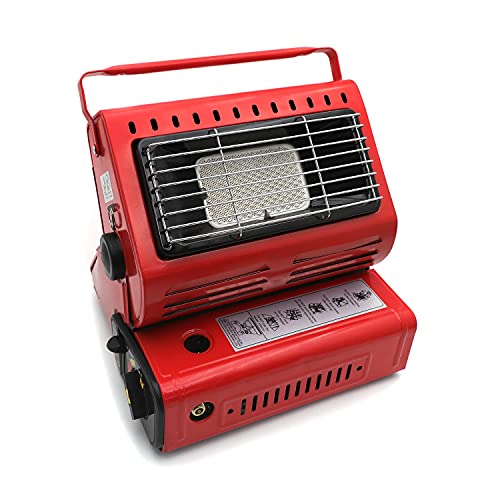
The HTTMT heater is a dual-purpose unit designed for camping and indoor use. It can operate as a heater and as a stove, accommodating both butane and LP gas cylinders with an included adapter. It claims rapid heating, producing 4,400–10,000 BTU per hour and warming up to roughly 100 square feet. This flexibility makes it suitable for tents, cabins, or small rooms where space and fuel flexibility matter.
Safety and usage notes: ensure proper gas compatibility, use in ventilated spaces, and follow manufacturer guidelines for maximum heat output to prevent overheating in enclosed areas.
Buying Guide: Key Purchase Considerations
When selecting a butane heater for indoor use, consider five core areas to ensure safety, efficiency, and comfort:
- Heat output and space size: Match BTU ratings to the room. Smaller spaces benefit from 3,000–5,000 BTU units, while larger tents or cabins may require higher outputs or supplemental heating.
- Fuel compatibility and availability: Butane is common for portable heaters, but some units support propane or dual-fuel setups. Check cylinder standards (CGA510 for butane, CGA660 for propane) and ensure fuel access in your area.
- Ventilation and safety: Indoor use requires adequate ventilation. Look for models with catalytic or porous-mesh burners, automatic shut-offs, and secure handles or shelves to minimize tipping and fuel exposure.
- Dual-function benefits: Many units double as stoves or warming surfaces. If you want cooking capabilities during cold outings, prioritize versatile designs while ensuring safe gas connections.
- Portability and setup: Favor compact, lightweight models with carrying handles and simple ignition systems. A well-designed carry case and minimal assembly reduce setup time and improve safety in tight spaces.
Compared to electric heaters, butane models offer independence from power outages and the ability to operate in remote or outdoor-adjacent spaces. However, they require careful handling, appropriate ventilation, and adherence to fuel-cylinder safety standards. By evaluating BTU output, fuel compatibility, safety features, and functional versatility, you can select a heater that suits your indoor warmth needs without compromising safety.