
In this guide
- Duluth Forge FNF300T: 26,000 BTU Natural Gas Insert
- Duluth Forge FDI32R: 32,000 BTU Dual Fuel Insert
- Duluth Forge Liquid Propane 26,000 BTU Insert
- ProCom Ventless 25,000 BTU Free Standing
- Duluth Forge FDF400RT-ZC: 32,000 BTU Dual Fuel Insert
- Buying Guide: Key Considerations for Ventless Gas Fireplaces
- Frequently Asked Questions
Direct answer: Built-in ventless gas fireplaces offer efficient, duct-free heating with realistic flames and flexible install options. This guide highlights five top options ideal for zone heating, accent living spaces, or upgrading a retrofit. The best fits are compact inserts for wall recesses, dual-fuel units for propane or natural gas, and a log-set option for existing fireplaces. The buyer types most likely to benefit are homeowners seeking chimney-free warmth, renovators needing versatile installation, and those prioritizing authentic flame appearance without venting.
Summary table of chosen products:
| Product | BTU / Heating Area | Fuel Type | Best For | Notes |
|---|---|---|---|---|
| Duluth Forge FNF300T Insert | 26,000 BTU | Natural Gas | Wall recess or mantel-ready rooms | Realistic flame with logs |
| Duluth Forge FDI32R Dual Fuel Insert | 32,000 BTU | Natural Gas/Propane | Versatile heating up to 1,500 sq. ft. | Remote LCD control |
| Duluth Forge Liquid Propane Ventless Insert | 26,000 BTU | Liquid Propane | Propane-focused homes | Zero clearance design |
| ProCom Ventless 25,000 BTU Free Standing | 25,000 BTU | Natural Gas/Propane | Compact stand-alone unit | Thermostat control |
| Duluth Forge FDF400RT-ZC Dual Fuel Insert | 32,000 BTU | Natural Gas/Propane | Higher heat with remote | Remote LCD, dual fuel |
Duluth Forge FNF300T: 26,000 BTU Natural Gas Insert

Features include a customizable zero-clearance design suitable for recessed wall installation or pairing with a mantel, a high heat output of up to 26,000 BTUs for spaces up to 1,350 sq. ft., and an authentic flame experience with five hand-painted logs and a dual precision ported burner. Best for: buyers who want a built-in look with strong heat and a realistic flame without a chimney. Caution: vent-free operation requires adequate room ventilation and adherence to clearance guidelines.
Duluth Forge FDI32R: 32,000 BTU Dual Fuel Insert

Benefits include ventless dual fuel technology, allowing natural gas or propane; 32,000 BTU heating up to 1,500 sq. ft.; a remote control with LCD screen and a standing pilot for flexible operation; includes nine hand-painted logs and a mesh screen for a complete look. Best for: homes needing flexibility between gas types and convenient remote control. Caution: ensure gas supply configurations comply with local codes and ventless usage guidelines.
Duluth Forge Liquid Propane 26,000 BTU Insert
Highlights include a zero-clearance design for built-in looks, 26,000 BTUs heating up to 1,350 sq. ft., and an authentic flame with five hand-painted logs. Best for: propane-centered homes seeking a compact yet powerful insert. Caution: propane supply must be properly configured; ensure exterior venting requirements in your area are met when needed.
ProCom Ventless 25,000 BTU Free Standing
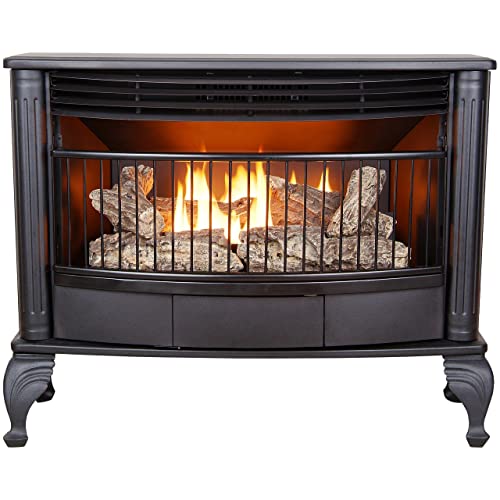
This free-standing model provides 25,000 BTUs to heat up to 1,100 sq. ft. It features handcrafted logs, a thermostat-operated control, and a maintenance-friendly design. Best for: smaller rooms or apartments needing efficient ventless heat with a simple setup. Caution: as a freestanding unit, placement should consider room airflow and clearance to combustibles.
Duluth Forge FDF400RT-ZC: 32,000 BTU Dual Fuel Insert

Ventless dual fuel technology allows natural gas or propane fuel sources; 32,000 BTUs heat up to 1,500 sq. ft.; remote control with LCD, standing pilot, and manual flame adjustment; stylish with mesh double doors and sprayed brick liner. Best for: larger living spaces requiring robust heat and a modern, finished look. Caution: ensure proper clearances and vent-free operation comply with local codes; remote use requires line-of-sight access.
Buying Guide: Key Considerations for Ventless Gas Fireplaces
- Heat output vs. room size: Match BTU rating to the square footage you want to heat. Higher BTUs suit larger rooms, but may be less efficient in tiny spaces.
- Fuel flexibility: Dual-fuel models offer natural gas or propane compatibility. Consider service reliability and gas line availability in your home.
- Installation type: Choose between built-in inserts for a seamless look or freestanding models for flexible placement.
- Ventless considerations: Ventless units do not require chimneys but need proper room ventilation and adherence to local codes. Check clearance requirements and carbon monoxide safety measures.
- Flame realism: Look for hand-painted logs and burner design that produce a full-bodied flame and ember bed for ambiance comparable to a traditional fireplace.
- Controls and accessibility: Remote controls, thermostats, and LCD displays enhance ease of use and room temperature management.
- Maintenance: Regular cleaning of logs, ember bed, and burner ports helps maintain flame quality and efficiency.
- Aesthetics: Zero-clearance designs, mantel-ready finishes, and brick liners affect how well the unit matches your interior style.
Frequently Asked Questions
- What does ventless mean for gas fireplaces?
Ventless fireplaces do not require a chimney or ductwork. They heat the room directly and rely on room ventilation to maintain safe air quality, following manufacturer guidelines and local codes.
- Are dual-fuel inserts worth it?
Yes, dual-fuel units offer flexibility if your home has inconsistent gas service or if you prefer propane for seasonal use. Always ensure proper gas line setup for your chosen fuel.
- What should I consider when choosing BTU for my space?
Consider your room size, insulation, ceiling height, and climate. Larger spaces typically require higher BTUs, but too much heat for a small room can cause inefficiency and uneven comfort.
- Is it safe to run ventless fireplaces in small rooms?
Ventless units can be safe in small rooms when installed correctly with adequate ventilation and CO alarms. Follow manufacturer clearances and local code requirements.
- Do ventless fireplaces require maintenance?
Yes. Regular cleaning of logs, ember bed, and burner, plus periodic inspection of gas lines, helps maintain performance and safety.