
When optimizing a boiler or hydronic heating system, an air release valve is essential to remove trapped air that can cause noise, cold spots, and reduced efficiency. This guide highlights five top options ideal for residential and light commercial applications, with clear guidance on who benefits from each choice. If you maintain multiple units or want a mix of materials, you’ll find practical picks here to keep systems running smoothly.
Quick Overview Of Chosen Products
| Product | Best For | Why It Stands Out | Ideal Use |
|---|---|---|---|
| Beduan Brass 10500-VE Automatic Float Valve, 3/4″ Male Thread | Homeowners with 3/4″ fittings | High-temperature resistance and rust protection; reliable seal | Residential boilers, HVAC exhaust lines |
| Hydro Master Automatic Air Vent Valve 1/8 Inch Brass | Small to medium heating systems | Durable brass, universal 1/8″ size | Baseboard heaters, small boilers |
| DERPIPE Automatic Air Vent Valve – 3/4″ NPT Stainless Steel | Corrosion-resistant needs | Stainless steel 304; easy maintenance | Radiators, solar water heating systems |
| DERPIPE Automatic Air Vent Valve – 1/2″ NPT Stainless Steel | Mid-range fittings | Same build quality with smaller thread size | Boilers, hot water systems |
| Vinnonvi Automatic Air Vent Valve 1/8″ Brass | Systems needing simple retrofits | Fully automatic operation; universal 1/8″ NPT | Steam radiators, hydronic heating |
Beduan Brass 10500-VE Automatic Float Valve, 3/4″ Male Thread

Best for: Homeowners with 3/4″ system fittings. The Beduan 10500-VE is designed to vent excess air during operation, reducing air lock risk in exhaust and HVAC lines. It is constructed to handle temperatures from 33°F to 240°F and pressures up to 150 psi, with rust protection and a high-precision cast body for reliability. Use this valve where a robust, direct-replacement air bleeder is needed.
Feature emphasis: Maximum pressure 150 psi; wide temperature range; high-temperature resistance; rust protection; reliable sealing. It is suitable for boiler and HVAC venting tasks where a 3/4″ male thread is compatible. Caution: Verify threading and installation space before purchase to ensure a proper fit in older equipment.
Hydro Master Automatic Air Vent Valve 1/8 Inch Brass
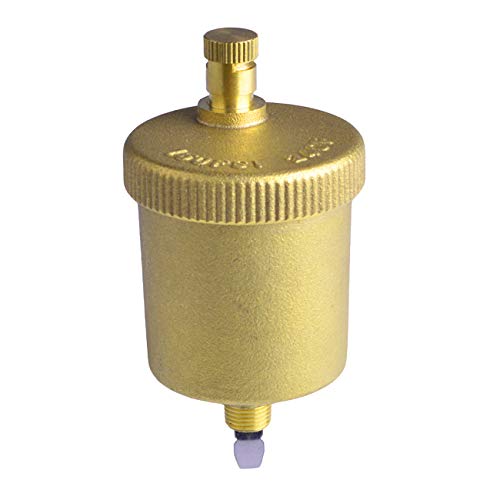
Best for: Small to mid-sized heating systems that use 1/8″ fittings. This vent is built from heavy-duty brass and offers universal compatibility with many heating layouts. It is rated for up to 150 psi and 240°F, making it suitable for steam and hot-water systems. It helps prevent air-related noise and cold spots by automatically venting trapped air.
Key point: Its compact 1/8″ size makes retrofits straightforward. Limitation: The 1/8″ thread may require adapters on some older gear, so check existing connections before ordering.
DERPIPE Automatic Air Vent Valve – 3/4″ NPT Stainless Steel

Best for: Systems requiring durable, corrosion-resistant venting. The DERPIPE 3/4″ NPT valve is stainless steel 304, designed to resist rust while automatically bleeding excess air. It features a well-sealed, easy-to-maintain body with removable components for service. This makes it a solid choice for boilers or radiators exposed to moisture or humidity.
Why choose it: Stainless steel reduces mineral buildup and corrosion over time, enhancing longevity. Caution: Ensure compatible thread size and straight piping to avoid leaks at installation joints.
DERPIPE Automatic Air Vent Valve – 1/2″ NPT Stainless Steel

Best for: Mid-size applications with 1/2″ threads. The stainless steel 304 construction offers anti-rust properties and reliable high-temperature performance. It automatically bleeds air while preventing water discharge, helping maintain steady boiler operation and reducing noise.
Trade-off: The 1/2″ size may not fit larger or older piping without adapters. Choose this if your system uses standard 1/2″ NPT ports and you need durable, low-maintenance venting.
Automatic Air Vent Valve 1/8 Inch NPT Brass – Vinnonvi

Best for: Systems needing fully automatic venting with a compact 1/8″ NPT connection. The Vinnonvi valve uses brass construction for durability and provides continuous air removal to prevent cold radiators and accompanying noise. It replaces manual vents effectively in steam radiators and hydronic heating.
Limitation: As with any automatic vent, performance depends on system pressure; ensure compatibility with your boiler’s operating range. Also verify that space around the vent allows for secure installation and maintenance access.
Buying Guide: Key Considerations For Air Release Valves
- Thread size and connection type: Match your system’s ports (1/8″, 1/2″, 3/4″ NPT, etc.).
- Material and corrosion resistance: Brass is common for smaller systems; stainless steel offers higher durability in moist environments.
- Temperature and pressure ratings: Ensure the valve can handle your boiler’s operating range (often up to 150 psi and 240°F).
- Automatic vs manual operation: Automatic vents reduce maintenance but may require periodic inspection; manual vents can be useful for initial bleed and testing.
- Maintenance and serviceability: Valves with removable seals or components simplify maintenance and reduce leaks over time.
- System compatibility: Consider whether the valve suits radiators, boilers, baseboards, or solar water heating lines.
Practical Comparisons
- Best for high-temperature environments: Beduan 10500-VE (3/4″ and 1/2″ variants) due to rust protection and high-temperature sealing.
- Better for compact spaces: Hydro Master 1/8″ brass offers a small footprint with universal threading.
- Choose this for durability in exposed systems: DERPIPE 304 stainless steel models resist corrosion and scale buildup.
- Best for multi-unit setups: Gisafai 4-pack provides multiple valves for several zones and replacements (note: only when a 3/4″ port is needed).
- Avoid if your system uses non-standard threads: Some models require adapters for older equipment.
Frequently Asked Questions
- What is the purpose of an air release valve in a boiler system? It automatically vents trapped air to prevent air locks, improve efficiency, and reduce noise.
- Do I need a stainless steel or brass vent? Brass is common for residential systems and is cost-effective; stainless steel offers better corrosion resistance in harsh environments.
- Can I install these valves myself? Installation is straightforward if you have compatible thread sizes and adapters, but consult a professional if unsure.
- How do I know which size to choose? Match the valve’s thread size to your system’s ports (1/8″, 1/2″, 3/4″ NPT).
- Are automatic vents always better than manual ones? Automatic vents reduce maintenance but should be checked periodically; manual vents are helpful during initial bleed and testing.
- Will these valves prevent radiators from making gurgling noises? Yes, by removing trapped air, but other system issues (water level, pump performance) can also cause noise.