
Answering the search intent, these five wood burning stoves combine beauty with practical heating for American homes. They suit small‑to‑medium living spaces, cabins, and off‑grid setups where design matters as much as performance. The top picks emphasize cast iron finishes, large fireboxes, and efficient heat output. Use this guide to compare options for style, warmth, and cooking capability in one place. The table below summarizes each choice’s key strengths and ideal buyer.
| Product | Best For | Heat Area | Notable Feature |
|---|---|---|---|
| Comfort Glow Cast Iron Wood Stove | Small to mid‑sized living spaces | Up to 900 sq ft | Heavy‑duty cast iron; 22″ log capacity |
| US Stove 1,200 Sq Ft Wood Stove | Open plan rooms and cabins | Up to 1,200 sq ft | Large viewing window; 68,000 BTU |
| Canyon Lodge Medium Wood Stove | Medium/large spaces; rustic appeal | Up to 2,500 sq ft | Brick‑lined firebox; cast iron door |
| GVUHR Portable Wood Burning Stove | Backpacking and camping cooks | Compact for portability | Disassemblable; durable cast iron |
| Ashley 2,000 Sq Ft Wood Burning Stove | Large living spaces; long burns | Up to 2,000 sq ft | Adjustable legs and pedestal options |
Comfort Glow Cast Iron Wood Stove

This indoor stove uses a heavy‑duty cast iron build for durable heat retention. It heats up to 900 square feet and accommodates 22″ logs for longer burn times. The design emphasizes strong radiant heat and a compact footprint, making it a good fit for smaller living rooms or off‑grid spaces. Best for buyers seeking a classic, robust heater that doubles as a cooking surface. Caution: verify the 6″ flue collar matches your existing chimney setup to avoid compatibility issues.
US Stove 1,200 Sq Ft Wood Stove

Designed to heat larger spaces, this model delivers up to 68,000 BTUs and heats up to 1,200 sq ft. It features a cast iron feed door and a large ceramic glass window to enjoy the firelight while staying warm. This choice is best for larger living areas or cabins where a single unit must cover more square footage. Choose this if a bright viewing window and strong heat output are priorities. Limitation: taller ceilings or obstructed floor plans may reduce perceived warmth at the far end of a room.
Canyon Lodge Medium Wood Stove

The Canyon Lodge brings a rustic, brick‑lined firebox with a cast iron door and viewing window, designed to heat up to 2,500 sq ft. This stove blends traditional aesthetics with solid performance for larger spaces or open‑concept cabins. It’s best for buyers who want a visually appealing stove that also delivers high heat output. Limitation: larger size may require a more substantial chimney and floor protection in compact rooms.
GVUHR Portable Wood Burning Stove
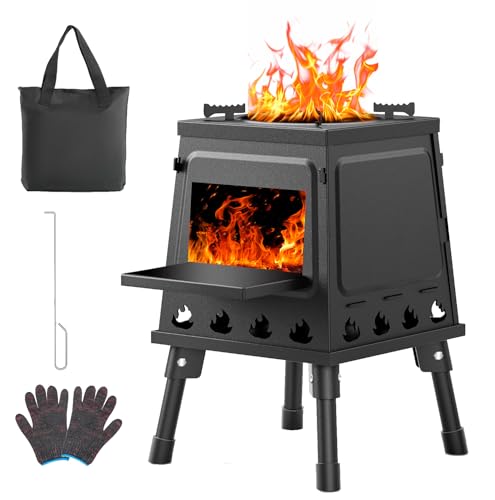
This lightweight, portable stove is ideal for campers and hikers who want reliable heat on the go. Its disassemblable design and compact footprint facilitate easy transport, with a cast iron build for durability and efficient heat distribution. Best for outdoor enthusiasts seeking a balance of portability and warmth. Caution: portability comes with a trade‑off in heat range compared to larger residential models.
Ashley 2,000 Sq Ft Wood Burning Stove

Ashley’s model is designed for large homes with significant heat needs, covering up to 2,000 sq ft. It offers both adjustable legs and a pedestal base, giving flexibility in placement and height. This stove is best for buyers who want a bold centerpiece that delivers consistent warmth across a sizable area. Limitation: larger footprint may require more floor space and appropriate clearance planning.
Buying Guide: Key Considerations For Choosing A Wood Burning Stove
- Room size and heat needs: Match stove output (BTUs) to the area you intend to heat. Larger spaces benefit from higher BTUs and bigger fireboxes.
- Fuel type and log size: Check log dimensions the stove accepts and whether you prefer wood only or combined options (some models handle coal as well).
- Heat distribution: Cast iron holds heat well, but brick liners or viewing windows can influence heat retention and ambiance.
- Chimney and clearances: Ensure your chimney diameter and flue collar align with the stove’s exhaust requirements. Also verify floor protections and wall clearances.
- Aesthetics and finish: Consider color, door style, and window visibility. A stove can be a focal design piece in a living space.
- Portability vs. permanence: Portable stoves suit campers or seasonal use; permanent residential stoves require heavier installation and ventilation planning.
- Cooking capability: Some models offer cooking surfaces or oven space; decide if you want culinary versatility alongside heating.
FAQ
- What size stove do I need for a 1,000 sq ft home? – Look for stoves in the 50,000–70,000 BTU range to heat roughly 800–1,200 sq ft, depending on insulation and climate.
- Can I use a wood stove with my existing fireplace? – Some stoves are designed for insert installation, while others stand alone. Check clearance, flue compatibility, and professional installation requirements.
- Is cast iron better than steel for wood stoves? – Cast iron retains heat longer and can provide steady warmth, but steel stoves can heat up quickly and lightened weight for portability in some cases.
- Do I need a professional to install a wood stove? – Yes, for venting, safe clearances, and code compliance. A certified installer helps ensure safe operation and warranty adherence.
- Are there safety features to look for? – Look for sturdy doors, proper gaskets, spark arrestors, and heat shields. Clearances to combustibles should be clearly specified by the manufacturer.
- Can wood stoves double as primary or supplemental heat? – They can serve as primary heat in well‑insulated homes or as reliable supplemental heat in milder seasons.