
In this guide
- Mr. Heater 30,000 BTU Vent Free Blue Flame Natural Gas Heater
- Comfort Glow 17,000 BTU Direct Vent Natural Gas Wall Heater
- Ashley Direct Vent Wall Heater Dual Fuel 25,000 BTU
- Comfort Glow Direct Vent Dual Fuel Heater, 11,000 BTU
- Ashley Hearth Direct Vent Liquid Propane Wall Heater, 11,000 BTU
- Buying Guide
- What size should I choose?
- Vent-free versus direct vent
- Fuel type considerations
- Safety features to look for
- Installation and space considerations
- Maintenance and operation
- FAQ
Vent-free gas heaters offer quick warmth without the need for external venting, making them ideal for space-limited rooms, cabins, and areas needing supplemental heat. The following picks are among the most suitable for American homes, spanning battery-assisted ignitions, dual-fuel options, and quiet operation. This guide highlights who each model is best for, plus practical considerations like heat output, space requirements, and safety features.
Summary of selected products:
| Product | BTU / Heating Area | Best For |
|---|---|---|
| Mr. Heater 30,000 BTU Vent Free Blue Flame Natural Gas Heater | 30,000 BTU; up to 1,000 sq ft | Medium-to-large living areas; those needing robust heat quickly |
| Comfort Glow 17,000 BTU Direct Vent Natural Gas Wall Heater | 17,000 BTU; up to 500 sq ft | Smaller rooms; wall-mounted efficiency with safety controls |
| Ashley Direct Vent Wall Heater Dual Fuel 25,000 BTU | 25,000 BTU; up to ~825 sq ft | Homes needing dual-fuel flexibility (gas or propane) |
| Comfort Glow Direct Vent Dual Fuel Heater, 11,000 BTU | 11,000 BTU; up to 375 sq ft | Compact spaces; easy wall installation with vent kit |
| Ashley Hearth Direct Vent Liquid Propane Wall Heater, 11,000 BTU | 11,000 BTU; up to 375 sq ft | Propane-focused spaces; quiet operation |
Mr. Heater 30,000 BTU Vent Free Blue Flame Natural Gas Heater

Best for: medium to large living spaces that need rapid, substantial heat. This model emits 30,000 BTU/hr, capable of heating up to 1,000 square feet. It uses a battery-operated electronic ignition, which helps ensure reliable starts during power outages. The vent-free design means it distributes warmth directly within the room without ductwork. Caution: vent-free units require proper room size and placement to ensure safe operation and adequate air combustion; follow installation instructions to maintain indoor air quality.
Comfort Glow 17,000 BTU Direct Vent Natural Gas Wall Heater

Best for: smaller-to-mid-sized rooms where wall mounting saves space. This 17,000 BTU model heats up to about 500 square feet with a direct-vent system and thermostatic control for stable warmth. Built-in safety features include a sealed burn system, electronic ignition, safety pilot, and a pressure regulator that stops gas flow if the pilot goes out. It’s a solid choice for compact spaces, but ensure your wall thickness and venting setup match the kit requirements provided by the manufacturer.
Ashley Direct Vent Wall Heater Dual Fuel 25,000 BTU

Best for: households needing dual-fuel flexibility (gas or propane) and substantial heat for up to about 825 sq ft. This unit features a safety pilot with a built-in regulator that stops gas if the pilot is extinguished, and a stainless steel ported burner known for quiet operation. Choose this if you want a robust direct-vent solution with dual-fuel capability. Limitation: dual-fuel operation requires compatible gas or propane supply lines and venting compliance.
Comfort Glow Direct Vent Dual Fuel Heater, 11,000 BTU
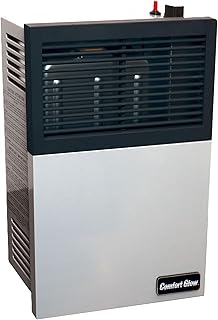
Best for: tight spaces or rooms up to about 375 sq ft where a slim, wall-mounted unit is preferred. This 11,000 BTU direct-vent heater includes a complete vent kit and is designed for easy installation in thicker walls. It offers reliable dual-fuel operation with safety features. Limitation: lower heat output means it’s less suitable for larger or very cold spaces, where a higher BTU model would perform better.
Ashley Hearth Direct Vent Liquid Propane Wall Heater, 11,000 BTU

Best for: propane-focused spaces that require quiet operation and clean heat. This 11,000 BTU direct-vent unit is designed for indoor use with direct venting and a sealed burn system. It’s a practical option for bedrooms or living areas where propane is preferred. Caution: ensure your propane supply and venting meet local codes and that the unit’s heat output matches the room size to avoid under- or overheating.
Buying Guide
What size should I choose?
Match BTU output to room size. Larger rooms benefit from higher BTU models (e.g., 30,000 BTU) while smaller spaces can be comfortably heated by 11,000–17,000 BTU units. Direct-vent and dual-fuel options offer more control in varied climates.
Vent-free versus direct vent
Vent-free units heat the room directly and require proper air space and ventilation considerations to maintain air quality. Direct-vent models exhaust outside and draw air from indoors, reducing combustion byproducts in the living space. Choose direct vent for rooms with tighter air quality needs.
Fuel type considerations
Natural gas is common for fixed hookups; propane offers flexibility for locations without natural gas lines. Dual-fuel units provide options, but ensure your home supports the chosen fuel with appropriate lines and pressure regulators.
Safety features to look for
- Safety pilot and built-in regulator stop gas flow if the flame goes out.
- Sealed combustion and venting compatibility to prevent backdrafts into the room.
- Electronic ignitions for reliable starts; battery operation can aid during power outages.
Installation and space considerations
Direct-vent wall heaters require proper mounting on walls and, in some cases, venting kits. Ensure space around the unit is clear for safe operation and that wall thickness and ventilation comply with the model’s installation kit requirements.
Maintenance and operation
Regular checks of the ignition system, gas connections, and venting lines help maintain safe operation. Follow manufacturer guidelines for annual service and inspection, especially in households with children or pets.
FAQ
- Are vent-free heaters safe for bedrooms? Yes, when properly installed and maintained, with adequate room volume and ventilation per manufacturer instructions.
- Can I use a vent-free heater for primary heating? Typically not; vent-free units are best as supplemental heat or for smaller spaces due to moisture and air quality considerations.
- What is the advantage of direct-vent models? They vent combustion byproducts outside, reducing indoor air buildup and improving air quality in tight spaces.
- Is propane better than natural gas? Propane offers flexible placement, but requires a propane supply; natural gas is convenient if a line is available.
- Do these heaters require electricity? Most use electronic ignition; some models include battery operation to ensure starts during outages.
- What maintenance is essential? Regular inspection of ignitions, burners, and vent connections; replace batteries as needed and follow service intervals.