
In this guide
- Oswald Cast Iron Radiator, 19″ Height
- Oswald Cast Iron Radiator, 25″ Height
- WiseWater 4 Panels Wall-Mounted Copper-Aluminum Radiator
- Decorative Radiator Cover Radiator Cover Cabinet
- Radiator Shelf Modern European Style
- Buying Guide
- How do I balance form and function in an art deco radiator?
- What installation considerations are essential?
- Are radiator covers always the best option?
- How can I maximize energy efficiency?
- What are common usage scenarios for these products?
Finding an art deco inspired radiator that blends period charm with modern heating efficiency is simpler than it seems. This guide highlights five radiator options that suit different spaces and budgets, from fully decorative covers to quiet, efficient steel and cast‑iron designs. The top picks cater to homeowners seeking vintage flair, apartment dwellers needing space-saving solutions, and those desiring quiet operation in living rooms and bedrooms.
Summary of recommended products
| Product | Best For | Key Benefit | Limitations |
|---|---|---|---|
| Oswald Cast Iron Radiator (19″ High) | Traditional homes | Quiet operation, versatile sizing | Heavier, longer installation time |
| WiseWater 4 Panels Wall-Mounted | Contemporary spaces | Silent, energy-efficient | Section output varies with conditions |
| Decorative Radiator Cover Cabinet | Clean look around radiators | Beautiful furniture-style enclosure | Does not heat; enhances appearance only |
| Radiator Shelf Modern European Style | Dual function spaces | Radiator cover and console table | Payload and stability depend on setup |
| Oswald Cast Iron Radiator (25″ High) | Larger rooms | Quiet operation, efficient heat | Bulkier footprint |
Oswald Cast Iron Radiator, 19″ Height

Best for traditional interiors where authentic cast iron detailing complements vintage decor. The 4‑tube design provides steady heat with quiet operation, making it suitable for living rooms and bedrooms in historic or character homes. It is available in multiple sizes, allowing precise placement in tight floor plans. A potential drawback is its heavier weight, which may require professional installation or added floor support.
Oswald Cast Iron Radiator, 25″ Height
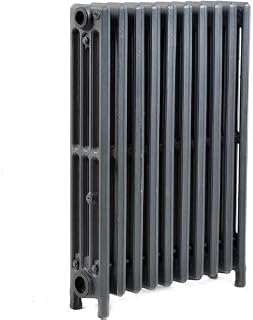
Better for larger rooms that need robust heat with quiet operation. The 25″ tall model increases surface area for more heat output while maintaining the classic look. Like the smaller version, it supports installation options beyond wall mounting, but its size makes it heavier to move and install. Ideal for period properties seeking substantial radiative warmth and a commanding presence.
WiseWater 4 Panels Wall-Mounted Copper-Aluminum Radiator
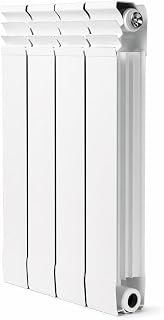
Best for modern interiors needing efficient, low-noise heating. Each section delivers measurable BTU outputs at different delta temperatures, with a white finish that suits many contemporary decors. It’s well‑suited for apartments or smaller rooms where space efficiency and steady warmth matter. Note that field performance depends on system flow and insulation, so results may vary by installation.
Decorative Radiator Cover Radiator Cover Cabinet

Best for concealing radiators while preserving a cleaner room aesthetic. The unit combines MDF panels with a steel frame for durability and easy maintenance. Ventilated sides allow air flow which helps prevent heat buildup behind the cover. It should be noted that the cover is primarily a cosmetic addition and does not contribute to active heating.
Radiator Shelf Modern European Style

Choose this if you want a dual-purpose piece that acts as both a decorative shelf and a radiator cover. Its wrought‑iron frame features intricate openwork scrolls with iris motifs, offering vintage flair while concealing radiator plumbing. Available in multiple lengths to accommodate different radiator sizes. It provides stability and a rust‑resistant finish for longer service life, but weight and mounting complexity can be considerations for installation.
Buying Guide
What should I consider when choosing an art deco style radiator?
- Heat source and type: Decide between steam, hot water, and electric options, and how each aligns with your existing heating system.
- Heat performance: Look for BTU output specifications and how they scale with room size and delta temperature. Real-world results depend on insulation and system design.
- Style vs. function: If the goal is aesthetic, decorative covers may be prioritized. For primary heating, prioritize radiators with solid heat output.
- Installation constraints: Wall-mounted vs. free-standing options impact room layout and structural requirements.
- Material considerations: Cast iron provides classic look and quiet operation; copper-aluminum panels tend to be lighter with modern efficiency.
- Maintenance and durability: Consider finish durability, rust resistance, and ease of cleaning for long-term upkeep.
How do I balance form and function in an art deco radiator?
Choose a product that preserves period styling while meeting heat requirements. For rooms with historic decor, a visually prominent cast iron radiator may be ideal. For contemporary spaces, a sleek copper-aluminum panel might deliver efficient operation with less mass and flexibility in placement.
What installation considerations are essential?
Wall-mounted units require secure mounting to studs or solid backing. Free-standing models offer flexibility but may demand floor protection and careful spacing to permit airflow.
Are radiator covers always the best option?
Covers improve appearance and safety but can reduce heat output. If heat efficiency is paramount, opt for low-profile or vented designs that preserve airflow.
How can I maximize energy efficiency?
Ensure proper room insulation, seal leaks, and size radiators to match room heat loss. Maintaining consistent thermostat settings and scheduling heat cycles can minimize energy use while keeping rooms comfortable.
What are common usage scenarios for these products?
Older homes with period aesthetics often benefit from authentic cast iron radiators. Modern apartments may prefer slim, panel-style units for space efficiency. Rooms like living rooms and bedrooms commonly require quiet operation and reliable warmth throughout the day.