
In this guide
- PILOT PROOF Sunshades for Aircraft Boeing 737 UV Defender
- Bison 2000A Gasoline Air Heater
- Mr. Heater F232017 MH9BXRV Buddy Grey Indoor-Safe Portable RV Radiant Heater
- EZ-HEAT 1,500-Watt Portable Milkhouse Style Utility Space Heater
- Dura Heat EWH5510 Electric Forced Air Heater
- Buying Guide: Key Purchase Considerations
- Comparative Perspectives
Finding reliable cabin temperature control is essential for comfort during flight operations and on the ground. This guide showcases five heater options related to aircraft and adjacent cabin environments, drawing on portable and vehicle-specific models that prioritize safety, efficiency, and ease of use. Each product section provides key features to help you compare performance, installation needs, and energy use. Use the buying guide at the end to tailor choices to your space, power source, and safety requirements.
| Product | Brand | Typical Use |
|---|---|---|
| PILOT PROOF Sunshades for Aircraft Boeing 737 UV Defender | PILOT PROOF | Aircraft cabin shade/comfort |
| Bison 2000A Gasoline Air Heater | General Components | Vehicle and cabin heating |
| Mr. Heater F232017 MH9BXRV Buddy | Mr. Heater | Portable RV/indoor heating |
| EZ-HEAT 1,500-Watt Portable Milkhouse Style Heater | EZ-HEAT | Garage and small space heating |
| Dura Heat EWH5510 Electric Forced Air Heater | Dura Heat | Garage/large space heating |
PILOT PROOF Sunshades for Aircraft Boeing 737 UV Defender
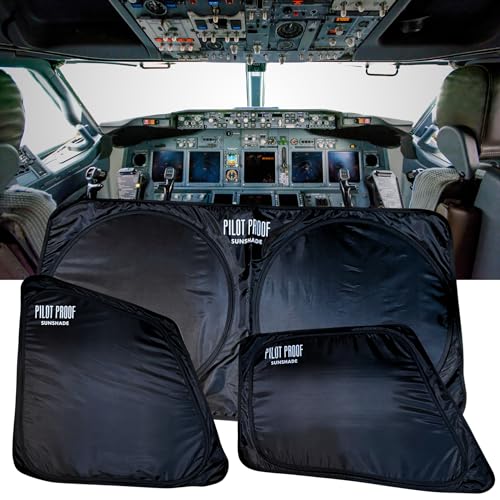
The PILOT PROOF sunshades are sized to match Boeing 737 cabin windows, delivering UV protection and heat insulation to increase passenger and crew comfort. The opaque fabric blocks UVB and UVA rays, helping reduce cabin heat buildup and glare. Design features include flaps to cover asymmetrical window edges and position guides with logos to ensure correct alignment. The front shade is split into two circles, allowing either partial (50%) or full coverage depending on the pilot’s or cabin crew’s needs. While primarily a shade, these elements contribute to thermal management by reducing direct solar heat input into the cabin, complementing other climate control methods.
Key considerations for use in aircraft contexts include fit, weight, and ease of deployment, all of which are addressed by the foldable, compact design. Operators should verify compatibility with specific aircraft models and ensure installation does not interfere with window mechanisms or emergency equipment. While not a heater itself, these shades can reduce cooling loads and improve perceived cabin comfort, aligning with energy-efficient climate management in aviation environments.
Bison 2000A Gasoline Air Heater

This 12-volt gasoline heater delivers up to 2 kW of heat for vehicles and cabins, including trucks, RVs, boats, and enclosed spaces. It offers quick, consistent warmth, making it suitable for travel and camping scenarios where a quick heat source is needed. The heater is engineered for relatively low fuel consumption, using approximately 0.03 gallons of gasoline per 12VDC cycle, which supports extended use without excessive fuel costs. Operating modes are versatile, with options for constant warmth, ventilation, or air circulation, and automatic regulation for temperature control. The unit is designed to be flexible for different environments, including trailers and boats, and can help maintain comfortable cabin temperatures during cold conditions.
Considerations include fuel availability, ventilation safety, and installation requirements. Gas-powered heaters require proper venting and adherence to manufacturer guidelines to prevent carbon monoxide risks. They are ideal for off-grid or remote operation where electrical options are limited, but require careful installation and monitoring to maintain safe cabin conditions.
Mr. Heater F232017 MH9BXRV Buddy Grey Indoor-Safe Portable RV Radiant Heater
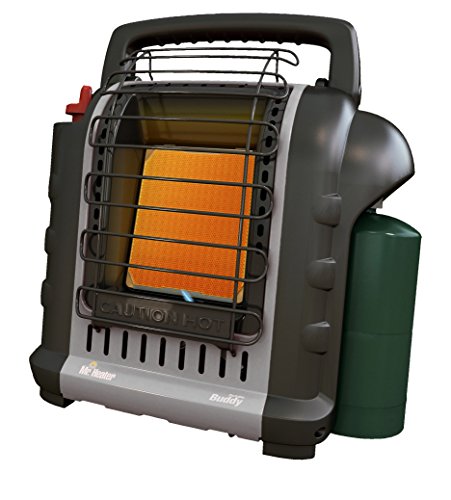
The MH9BXRV Buddy is a portable radiant heater designed for indoor and outdoor use in RVs and adjacent spaces. It provides a range of 4,000 to 9,000 BTU to cover spaces up to 225 square feet, offering clean burning and high efficiency. It includes auto shut-off features in cases of tipping, pilot light failure, or oxygen depletion, enhancing safety in enclosed cabin-like environments. The heater is suitable for temporary cabin heating needs in recreational or temporary workspaces and can be a helpful supplemental heat source during travel or in field operations where mains power is limited.
Safety considerations center on proper ventilation, carbon monoxide risk awareness, and ensuring the heater is used in well-ventilated areas. The unit’s portability makes it practical for mobile cabins or temporary workrooms, but it should not replace primary heating systems in confined or poorly ventilated spaces. Regular maintenance and periodic safety checks are recommended to maintain optimal operation.
EZ-HEAT 1,500-Watt Portable Milkhouse Style Utility Space Heater

The EZ-HEAT 1500-watt portable heater is designed for small, enclosed spaces such as garages or utility rooms, offering cost-effective heating with a compact footprint. It features three heat settings and a fan-only option, enabling flexible use for different conditions. The adjustable thermostat allows precise temperature control, enabling consistent cabin-like warmth in portable or temporary spaces. Overheat protection and a safety tip-over switch add essential safety layers for unattended operation in compact environments.
Key considerations include power supply compatibility (100-120V typical for this style), room size, and energy efficiency. While primarily aimed at garages or utility spaces, its portability and adjustable thermostat can support temporary cabin heating needs in small or semi-enclosed environments where a dedicated HVAC system is unavailable.
Dura Heat EWH5510 Electric Forced Air Heater

The Dura Heat EWH5510 is a large electric forced-air heater designed for garages and larger spaces, delivering 17,060 BTU with a 240V/5,000W, 30A setup. It requires professional installation when wired into a building electrical system. A remote control and adjustable thermostat provide convenient temperature management, with an LED display showing settings. This unit targets broader cabin-like spaces where steady, powerful heat is required, such as workshops or larger workrooms that function as temporary or semi-permanent cabins.
Considerations for use in aircraft-adjacent environments include electrical supply capabilities, installation constraints, and safety features. Proper clearances, ventilation, and adherence to electrical codes are essential. While not flight-specific, these heaters can supplement climate control in hangar spaces or ground operations where a robust, electrically powered heat source is needed.
Buying Guide: Key Purchase Considerations
Choosing a heater for cabin or semi-cabin spaces depends on several factors. Consider energy source compatibility (electric, propane, or gasoline), space size, installation requirements, and safety protocols.
- Space and heat output: Match BTU or wattage to the area you need to heat. Larger cabins require higher output or supplemental heating from multiple units.
- Power supply: Evaluate available electrical capacity or fuel supply. Electric models require proper circuits; gas models demand venting and CO safety measures.
- Ventilation and safety: For combustion heaters, ensure adequate ventilation and carbon monoxide detectors. Electric heaters should have overheat protection and tip-over switches.
- Portability vs. permanence: Portable heaters offer flexibility for ground operations, while fixed installations suit dedicated spaces such as hangars or built-in cabins.
- Control features: Thermostats, remote controls, and safety shut-offs help maintain consistent comfort and reduce energy use.
- Maintenance and durability: Look for robust construction, ease of cleaning, and availability of replacement parts or accessories.
Comparative Perspectives
Gas-powered heaters (like Bison 2000A and Mr. Heater Buddy) deliver strong warmth without relying on electrical power, which is advantageous in remote or hangar environments. However, they require ventilation, fuel management, and CO monitoring, adding safety considerations. Electric heaters (EZ-HEAT, Dura Heat EWH5510, and BEYOND HEAT) provide clean operation with precise control, ideal for spaces with reliable electrical infrastructure but can demand higher electrical capacity for large spaces. Shades and window treatments (PILOT PROOF) contribute to passive temperature management by reducing solar heat gain, which can lessen cooling loads and improve overall cabin comfort alongside active heating systems.
When choosing among these options, consider whether your primary need is rapid space heating, energy efficiency, portability, or compatibility with an existing electrical or fuel system. For aircraft-adjacent applications, prioritize safety, ventilation requirements, and compliance with relevant aviation or building codes. A combination approach—passive shading for solar gain reduction, paired with a suitable heater for periodical or emergency warming—often yields the best balance of comfort and efficiency.