
The best 6-inch, 90-degree stove pipe elbows offer durable construction, easy fit, and reliable venting for wood-burning setups. This guide highlights five top options and explains who each product is best for, so you can choose with confidence. Ideal buyers include DIY homeowners, small shop installers, and renovators upgrading older chimneys.
| Product | Best For | Key Benefit |
|---|---|---|
| Imperial United States HDW BM0014 6″ Adjustable Elbow | Anyone needing a durable, U.S.-made elbow | High durability; easy to use |
| DuraVent DuraBlack 6 Inch 24 Gauge 430 Stainless Steel | Smoke-free homes with versatile installations | Die-formed fittings; adjustable lengths |
| Stove Pipe Black Adjustable Elbow, 6-In. (OLIKIUS) | Budget-conscious DIYers | Crimped end for easy fitting |
| DuraVent DVL 6DVL-E90 6” Double Wall Elbow | Max clearance and efficiency | Reduced clearance; temperature-insulated |
| AllFuel HST 90 Degree Elbow for 6″ Diameter | Through-wall installations | Thicker gauge steel for durability |
Imperial United States HDW BM0014 6″ Adjustable Elbow

Features: Manufactured in United States; Easy to use; Highly durable. This elbow is designed for standard 6-inch stove pipe and aims to simplify installation with a straightforward adjustable design. Best for homeowners seeking a locally produced, reliable elbow for wood stove ducting. Caution: Verify compatibility with your exact 6-inch pipe series to ensure a snug fit.
DuraVent DuraBlack 6 Inch Elbow

Features: Single-wall pipe keeps your home smoke-free and safe; DuraBlack line features die-formed fittings and adjustable lengths; suitable for wood, oil, coal, and gas fuels. Best for installations requiring a flexible, simple fit without cutting or crimping. Choose this if you want quick on-site adjustments. Limitation: Single-wall design can be less heat-insulated than double-wall options in extended vent runs.
Stove Pipe Black Adjustable Elbow, 6-In. (OLIKIUS)
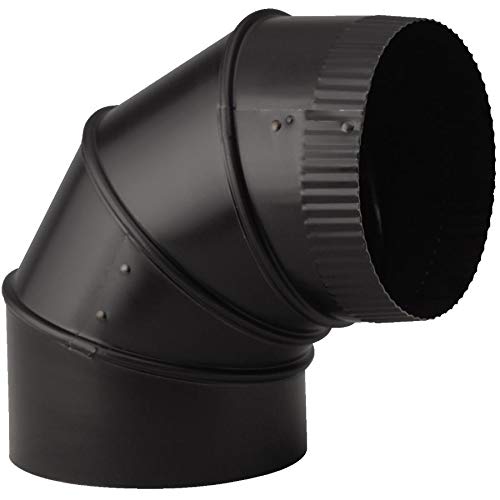
Features: Crimped on one end to fit into pipe of the same diameter; Durable 24-gauge single-wall steel; Black matte finish. Best for budget-minded projects where a straightforward, easy-to-fit elbow is needed. Better for straightforward through-wall or horizontal-to-vertical transitions. Caution: 24-gauge steel is thinner than industrial-grade options and may dent with impact.
DuraVent DVL 6DVL-E90 6” Double Wall Elbow
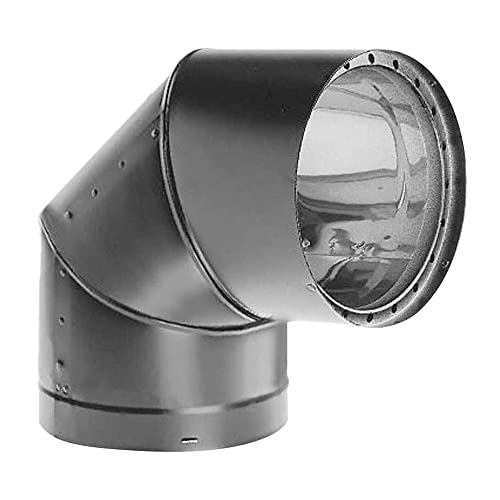
Features: Reduced clearance to combustible walls from 18 inches down to 6 inches; Heavy-duty inner wall is stainless steel (.016 inch) with a galvanized outer wall; Black finish. Best for tight installations where clearance is a critical constraint and efficiency matters. Better for metal vent runs that must minimize heat loss. Limitation: Double-wall construction may be more costly and heavier to handle than single-wall options.
AllFuel HST 90 Degree Elbow for 6″ Diameter

Features: 90-degree elbow for 6″ diameter; Single-wall, 21 gauge steel is thicker than typical 22–24 gauge; High-temperature black paint. Best for through-wall installations where a robust, durable elbow is needed. Choose this if you want extra steel thickness for long-term durability. Caution: 21 gauge is still relatively light for heavy-use commercial settings; ensure secure mounting to avoid flexing at the joint.
Buying Guide
What to consider when buying a 6 inch, 90 degree stove pipe elbow
- Material and gauge: Heavier gauges (thicker steel) offer more durability but may be harder to maneuver during installation.
- Wall clearance: Double-wall designs can significantly reduce required clearances to combustibles.
- Single vs. double-wall: Single-wall is simpler and cheaper but provides less insulation; double-wall improves heat retention and safety in tight spaces.
- Fit and finish: Look for crimped ends, adjustable fittings, and corrosion-resistant finishes for longer life.
- Installation context: Through-wall, vertical venting, and corner installations have different constraint profiles; choose accordingly.
Frequently Asked Questions
- What is the standard size for stove pipe elbows?
– A: 6 inches is a common size for many residential wood stoves and fireplaces. - When should I choose double-wall over single-wall?
– A: If you need reduced clearance to combustibles and better insulation, choose double-wall. - Can I reuse elbows from different brands?
– A: Compatibility depends on end fittings and pipe diameter; avoid mixing incompatible systems. - Is it safe to install an elbow without professional help?
– A: Basic installations can be DIY if following manufacturer instructions and local codes; consult a professional for complex setups. - What maintenance is required for stove pipe elbows?
– A: Regular inspection for corrosion, secure connections, and cleaning of creosote buildup in adjacent sections is recommended.