
The best 6-inch, 45-degree stove pipe options help you navigate around obstructions while keeping smoke and creosote safely directed away from living spaces. This guide highlights five top choices suited for different setups, from simple single-wall runs to more insulated double-wall configurations. Ideal buyers include DIY homeowners with straightforward vent paths, installers needing adjustable elbows for tight corners, and those seeking reduced clearance to walls.
Summary of top picks:
| Product | Best For | Key Benefit | Notes |
|---|---|---|---|
| Duravent DuraBlack 6″ 45° Elbow | Simple, no-cut connections | Die-formed fittings for easy setup | Single-wall, drip-free design |
| Stove Pipe Black Adjustable Elbow, 6-In. | Budget-friendly versatility | Crimped ends for easy fit | 24-gauge steel |
| Duravent DVL 6″ 45° Elbow | Maximum clearance reduction | Double-wall insulation | Better draft, reduced creosote |
| DuraVent DuraBlack 6″ SS 45° Elbow | Stainless look, corrosion resistance | Single-wall, die-formed fittings | Smoke/exhaust venting |
| 6″ x 45 Degree Elbow Black Stovepipe | Budget, basic option | 22 gauge, simple elbow | Lightweight and affordable |
Duravent DuraBlack Stovepipe — 6″ Diameter 45 Degree Elbow

Best for quick installations in straightforward vent paths. This elbow features die-formed end fittings that connect directly to 6-inch DuraBlack pipes without cutting or crimping. The adjustable 45-degree angle helps you route around obstructions. The single-wall design is drip-free to keep creosote flowing away from living areas. Suitable for simple, single-wall systems where a reliable elbow is needed without extra fittings.
Who it’s best for: homeowners seeking fast, tool-free assembly with a clean, reliable elbow. Choose this if you want a straightforward, single-wall option with minimal setup. Caution: not ideal for high-heat conditions or rear-exit appliances where specialized fittings are required.
Stove Pipe Black Adjustable Elbow, 6-In.
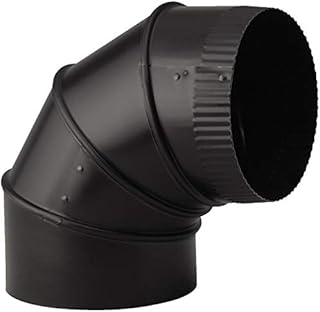
Best for tight spaces with budget constraints. This elbow is crimped on one end to fit into pipe or fittings of the same diameter, and uses durable 24-gauge single-wall steel with a black matte finish. It’s a practical, economical choice when you need a basic 6-inch elbow that still provides dependable routing. Limitation: 24-gauge steel may be less robust than heavier gauges in long, high-heat runs.
Who it’s best for: small projects or temporary installations where cost and simplicity matter. Avoid this if you anticipate heavy usage or harsh weather exposure that demands thicker gauge materials.
Duravent Double-Wall Stovepipe DVL — 6″ Diameter 45 Degree Elbow

Better for installations requiring reduced clearance to combustibles. The air-insulated double-wall design lowers clearance to walls from 18 inches to 6 inches (and to ceilings from 8 inches). This option supports a safer, more flexible routing around obstacles while maintaining efficient draft. It’s particularly useful where space constraints are a key concern.
Who it’s best for: homeowners needing closer-to-structure clearance while maintaining safety. Choose this if you must minimize wall clearance; beware of the heavier assembly compared to single-wall options.
DuraVent DuraBlack 6 Inches Stainless Steel Single Wall Elbow
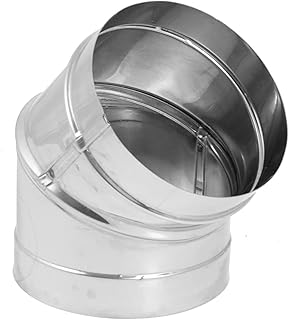
Best for smoke-free, safe operation with a wood-burning stove. This single-wall elbow keeps venting fumes outside from various fuels and aligns with DuraBlack die-formed fittings to avoid cutting or crimping. It provides straightforward venting for standard wood, oil, coal, or gas uses. Best where a clean, simple, external vent path is needed.
Who it’s best for: buyers prioritizing ease of assembly and a compact, single-wall system. Limitation: not recommended for rear-exit appliances.
6″ x 45 Degree Elbow Black Stovepipe — 22 Gauge

Best for budget-conscious projects needing a basic elbow. This 6″ x 45-degree elbow uses 22-gauge black stovepipe construction, offering a lightweight and inexpensive option for simpler vent paths. It’s adequate for moderate use in controlled environments but may be less durable under heavy-duty, continuous operation.
Who it’s best for: DIYers on a tight budget or temporary installations. Consider sturdier options if you expect frequent, long-term use or higher heat exposure.
Buying Guide
What should you consider when choosing a 6-inch, 45-degree stove pipe elbow?
- Material and gauge: Single-wall vs. double-wall. Double-wall lowers clearance but is heavier and more complex to install. Gauge affects durability; thicker gauges resist warping and wear.
- Connections and fittings: Die-formed or crimped ends simplify assembly and reduce the need for cutting. Ensure compatibility with your existing stove pipe system.
- Heat and safety: Choose options specified for wood, coal, or oil burning if applicable. Ensure the elbow directs creosote and smoke safely outdoors.
- Clearance needs: If you must minimize distance to walls or ceilings, a double-wall design can be advantageous, but verify local codes and manufacturer guidelines.
- Installation path: Adjustable 45-degree elbows help navigate corners and obstructions. Plan routing to minimize sharp bends that restrict draft.
FAQ
- What is the difference between single-wall and double-wall 6-inch elbows?
Answer: Single-wall elbows are lighter and simpler, but require larger clearances. Double-wall elbows provide better insulation and reduce clearance to combustibles, improving safety and flexibility in tight spaces. - Can I use a 6-inch elbow for all stove types?
Answer: Not universally. Some stoves require rear-exit or specific configurations. Check your stove’s installation manual and local codes. - Are die-formed fittings easier to install?
Answer: Yes. Die-formed fittings typically connect without cutting or crimping, which speeds up installation and reduces leak points. - Should I prioritize price over durability?
Answer: For long-term use, durability matters. Heavier gauges and double-wall designs may cost more upfront but can save maintenance and clearance issues later. - Is an adjustable 45-degree elbow worth it?
Answer: Yes, when you need to navigate around walls or other obstructions. It reduces the need for additional fittings and improves routing flexibility.