
Answer: If you need a reliable 25-gallon hot water solution, look for compact, easy-to-install tanks that deliver steady hot water for small homes, cabins, or booster applications. This guide highlights five capable options close to 25 gallons, suited for single-outlet use, small households, or boosting larger systems. Each choice explains who it’s best for and why, with practical cautions where needed.
| Product | Capacity | Best For | Notes |
|---|---|---|---|
| Valley Industries T-025-YYNA-XL Sprayer Tank | 25 Gallon | Small shops, agricultural uses, or booster storage | Not a traditional hot water heater; intended as a liquid storage tank |
| ThermoMate Tank Water Heater Electric | 18 Gallon | Small kitchens, bathrooms, RVs | Compact, adjustable thermostat; best for point-of-use needs |
| VEVOR Electric Tank Water Heater | 30 Gallon | Small families or multiple outlets | Fast heating, good insulation; best for modest flow |
| GE Appliances 30 Gallon Electric Water Heater | 30 Gallon | Families up to 3, whole-home hot water | High first-hour delivery; capacity exceeds 25 gallons |
| CAMPLUX Tank Water Heater Electric | 10 Gallon | Point-of-use boosts, under-counter installs | Rapid heating; compact for tight spaces |
ThermoMate 18 Gallon Point-Of-Use Water Heater

Best for compact spaces where a small, dedicated hot water source is needed. This 18-gallon unit is designed for point-of-use applications such as under-sink boosts or supplementary shower needs. Key features include a factory-set temperature of 125°F with adjustable range from 90°F to 150°F, a low-profile 25.5-inch footprint, and an INCOLOY-800 heating element for corrosion resistance. Best for RVs, boats, cabins, or small bathrooms where space is at a premium. Caution: capacity is smaller than a full-home heater, so plan hot water coverage accordingly.
VEVOR 30 Gallon Electric Tank Water Heater

Best for small families needing multiple outlets with a single storage unit. This 30-gallon tank provides extended hot water supply and uses an extended immersion heating tube for faster heating. It includes a thick foam insulation layer to minimize heat loss and a robust enamel interior for longevity. It also features built-in protections and an IPX4 rating for basic splash resistance. Choose this if you want higher capacity without upgrading to a larger system. Caution: capacity slightly exceeds 25 gallons, which may affect space planning in tight installs.
GE 30 Gallon Electric Water Heater

Best for households that want true 30-gallon capacity with strong performance. This unit emphasizes high first-hour delivery and reliable hot water for a family of up to three. The true 30-gallon capacity provides more than enough hot water for showers, baths, and multiple outlets simultaneously. Best for medium-sized homes where you need steady supply rather than occasional boosts. Caution: larger footprint may require more installation space than compact models.
GE 18 Gallon Versatile Plug-and-Play Water Heater

Best for flexible, space-constrained installs. This 18-gallon model is designed to fit where conventional setups struggle, with easy 120-volt connections and standard 3/4-inch NPT fittings. It’s ideal for point-of-use boosts, apartments, cabins, or garages where a full-sized heater would be impractical. Choose this if you need a compact, versatile solution rather than large-volume capacity. Caution: capacity is less than a typical family need for simultaneous multiple outlets.
WaterWorker HT-30B Vertical Pressure Well Tank

Best for boosting or storage in well systems rather than direct hot water generation. This 30-gallon tank is NSF-listed and designed to maintain water pressure with a durable diaphragm and polypropylene liner. It’s suitable for homes using well water that require reliable storage and pressure management. Caution: this is not a traditional electric water heater; it’s a storage tank to integrate with a separate heating source.
Valley Industries T-025-YYNA-XL Sprayer Tank
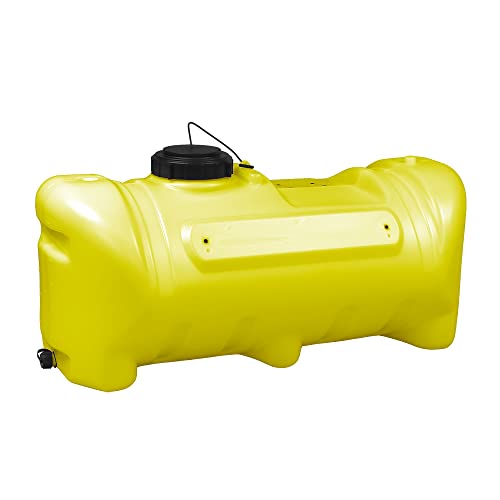
Best for storage or booster use in agricultural or industrial settings where a 25-gallon capacity is advantageous. This is not a dedicated hot water heater and should not be treated as a primary home water-heating solution. Caution: not designed for residential hot water heating; plan use accordingly.
Buying Guide: Key Considerations for 25-Gallon Range Water Tanks
- Purpose and placement: Decide whether you need a true water heater, a booster, or a storage tank. Point-of-use units save space but may require closer proximity to fixtures.
- Capacity and demand: For small households, a 25–30 gallon unit can meet daily needs, but simultaneous multiple outlets may require higher capacity or staged heating.
- Energy efficiency: Look for improved insulation and high-efficiency heating elements to reduce standby heat loss and operating costs.
- Installation space: Compact models fit tight cabinets or under-sink areas; ensure proper ventilation and access for maintenance.
- Durability and materials: Corrosion-resistant elements and enamel interiors extend life, especially in hard-water areas.
- Safety features: Temperature controls, overheat protection, and pressure relief devices are essential for safe operation.
- Electrical requirements: Ensure compatible voltage and circuit capacity; some units are 120V, others require 240V or hard-wired connections.
FAQ
- What is the typical use for a 25-gallon hot water tank?
Answer: It is commonly used as a booster, point-of-use heater, or storage solution for small homes, cabins, or apartments with moderate hot water demand. - Can a 25-gallon unit supply a whole home?
Answer: It can support a small home or a partial home, but for families with high hot water demand, larger capacities (30 gallons or more) are often preferred. - Is a higher-gallon unit always better?
Answer: Not always. Higher capacity helps with simultaneous needs, but requires more space and may consume more energy if underutilized. - What should I consider when replacing an old heater with a new unit?
Answer: Match capacity to peak demand, confirm space and electrical requirements, and consider efficiency and installation flexibility. - Are 120V units sufficient for most homes?
Answer: For point-of-use or booster applications, 120V units can be sufficient; larger homes often need 240V systems for full-home supply. - What maintenance is needed for these tanks?
Answer: Periodic flushing, thermostat checks, and inspecting for leaks or corrosion help extend life and ensure consistent performance.