
In this guide
- GE 18-Gallon Lowboy Electric Water Heater
- GE 30-Gallon Electric Water Heater With Built-In WiFi
- VEVOR 12-Gallon Point-of-Use Electric Water Heater
- Westinghouse Tankless Gas Indoor Water Heater
- GE 18-Gallon Versatile Electric Water Heater (120V)
- Buying Guide: Key Considerations For A 20-Gallon Capacity And 240 Volt Needs
- FAQ
Find practical, 240-volt compatible options that fit tight spaces or small homes. This guide highlights five electric water heaters close to a 20-gallon capacity, focusing on compact models, easy installation, and reliable performance for households of 1–2 people or small apartments. The best choices are clearly labeled for easy matching to your space and hot-water demands.
| Product | Capacity | Voltage | Best For | Why It Stands Out |
|---|---|---|---|---|
| GE Appliances 18 Gallon Versatile Electric Water Heater (Lowboy) | 18 Gallon | 240 Volt | Small households or spaces with height constraints | Lowboy design fits tight spaces; easy setup with standard connections |
| GE Appliances 30 Gallon Electric Water Heater | 30 Gallon | 240 Volt | Families requiring more hot water in a single unit | Built-in WiFi and digital display; strong first-hour rating |
| VEVOR Electric Tank Water Heater, 12 Gallon | 12 Gallon | 120 Volt | Single outlets or small apartments with limited space | Fast heating and good insulation; compact and lightweight |
| Westinghouse Tankless Gas Indoor, 7.9 GPM | Tankless, gas | Gas | Whole-home hot water with high demand | On-demand hot water with app control and precise temperature stability |
| GE Appliances 18 Gallon Versatile Plug and Play Electric Water Heater (120V) | 18 Gallon | 120 Volt | Mini-application or point-of-use needs | Easy plug-and-play installation for limited-use scenarios |
GE 18-Gallon Lowboy Electric Water Heater
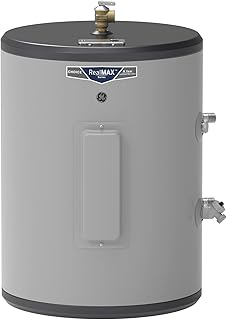
Best for tight spaces, this 18-gallon lowboy model is designed to fit where height is limited. It is suited for a household of 1–2 people and is easy to install using standard connections. The compact form helps in kitchens, baths, or utility rooms with restricted vertical space. It is chosen for accessibility and straightforward wiring and plumbing compatibility. A potential limitation is its smaller capacity, which may require more frequent hot-water management in showers or multiple fixtures.
GE 30-Gallon Electric Water Heater With Built-In WiFi

Best for households needing more hot water per hour, this 30-gallon unit incorporates built-in WiFi and a digital display. It is ideal for families or small homes with higher simultaneous hot-water needs. The SmartHQ integration supports temperature control, vacation schedules, and remote monitoring. A caveat is that larger capacity means slightly more space and higher upfront cost, but the 60 GPH first-hour rating helps in ensuring multiple showers stay hot early in use.
VEVOR 12-Gallon Point-of-Use Electric Water Heater

Best for single outlets or small studio spaces, this 12-gallon unit offers fast heating and robust insulation. It is 120V, so it is suitable where a 240V circuit isn’t available. It’s a practical choice for apartments or tiny homes with limited plumbing allowances. A limitation is its smaller capacity, which may require more planned hot-water usage or additional units for higher demand periods.
Westinghouse Tankless Gas Indoor Water Heater

Best for uninterrupted on-demand hot water for a whole home, this gas-powered unit delivers up to 7.9 GPM and features smart app control for temperature and status monitoring. It is a strong choice for households with higher hot-water demands where gas supply is available. Limitations include the need for proper venting, gas line considerations, and professional installation for gas appliances.
GE 18-Gallon Versatile Electric Water Heater (120V)
Best for point-of-use needs or limited-use scenarios, this 18-gallon 120V model is an option where a 240V circuit isn’t possible. It provides a practical solution for apartments or utilities where only a compact solution is feasible. The main caveat is its 120V rating, which may limit flow rate and overall hot-water availability compared with 240V counterparts.
Buying Guide: Key Considerations For A 20-Gallon Capacity And 240 Volt Needs
- Voltage compatibility: Ensure your home’s electrical panel can support the unit’s voltage (240V for most household electric heaters) and check available circuits for safe installation.
- Sizing and hot-water demand: A true 20–30 gallon electric heater typically covers 1–2 people with standard showers and daily tasks. For higher demand or larger households, consider a larger capacity or a tankless option.
- Space and installation: Lowboy designs fit tight spaces; wall-mounted or compact models help in kitchens, bathrooms, and utility rooms. Measure clearance and consider venting (for gas models) or WiFi-enabled controls for smarter operation.
- Energy efficiency: Foam insulation and high first-hour ratings improve energy efficiency and reduce standby losses. Compare insulation thickness and DOE-first-hour ratings when available.
- Smart features and controls: Built-in WiFi, vacation modes, and remote status alerts offer convenience and easier maintenance. Ensure compatibility with your smart home ecosystem if applicable.
FAQ
- Q: Is a 20-gallon water heater enough for a family of two? A: Yes, typically, but daily hot-water use varies. Consider a 30-gallon unit for more margin or multi-point usage.
- Q: Do I need a 240V circuit for these heaters? A: Most standard electric water heaters of this size use 240V. Verify your electrical panel and circuit breakers.
- Q: Can I install a lowboy model in a tight closet? A: Yes, lowboy and compact models are designed for tight spaces, but ensure venting (gas models) and clearance requirements are met.
- Q: Do these units require professional installation? A: For safety and code compliance, professional installation is recommended, especially for gas or larger electric units.
- Q: Will a 30-gallon unit save more energy than an 18-gallon unit? A: Not necessarily; energy savings depend on usage. A larger tank can supply more hot water at once but may consume more standby energy.
- Q: Are there any risks with 240V water heaters in small apartments? A: Ensure proper electrical wiring, breaker ratings, and moisture-resistant installation locations to avoid safety hazards.