
Answering your search for a powerful 18,000 BTU gas wall heater, this guide highlights models suited for mid-size spaces, easy wall mounting, and reliable heat delivery. Ideal buyers include homeowners seeking whole-room warmth, apartment dwellers needing efficient heat, and small-to-medium living areas where quiet, steady warmth matters. The following selections emphasize clear performance basics, compatibility, and practical limits to help you compare at a glance.
| Product | Type | Best For | Key Benefit |
|---|---|---|---|
| ProCom MN180TPA-B | Natural Gas Infrared Wall Heater | Small homes, offices | Slim profile with thermostat control |
| Mr. Heater 18,000 BTU Vent Free Radiant | Propane Vent-Free | Garage or workshop spaces | Direct radiant heat, electronic ignition |
| World MKTG KWD325 3 Plaque Dual Gas | Dual Plaque Gas Wall Heater | Medium rooms | Over-pressure safety and dual fuel valves |
| 9815WH Electric 1500W Wall Heater | Electric Wall Heater | Supplemental heat, retrofit | Built-in thermostat, quiet operation |
| Mr. Heater 30,000 BTU Blue Flame | Natural Gas Vent-Free | Larger spaces | Higher BTU for bigger areas |
ProCom MN180TPA-B: Compact 18,000 BTU Gas Heater
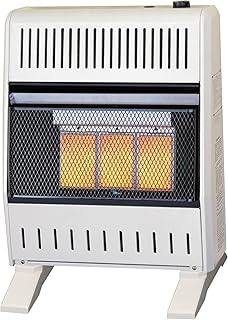
This natural gas infrared heater delivers up to 18,000 BTU for spaces up to about 950 square feet. It includes thermostat control with High/Medium/Low settings, making it suitable for bedrooms, offices, or living rooms where steady warmth matters. The unit can be mounted on a wall or placed on the floor using included base feet, offering flexible installation. Best for: small-to-mid sized rooms where a slim, modern look is preferred and wall mounting is feasible.
Limitations: Data notes are focused on heating capacity and control; compatibility with your venting needs or fuel supply should be confirmed for safety and code compliance. Avoid if you require primary heat in very large spaces without supplemental systems.
Mr. Heater 18,000 BTU Vent Free Propane Heater

This vent-free radiant heater delivers 18,000 BTU per hour and heats up to about 700 square feet. It uses electronic ignition and is designed for spaces where venting is impractical. Best for: garages, shops, or living areas needing quick, direct warmth without a venting requirement. It’s a strong choice when fast heat is needed in moderate-sized areas.
Limitation: Propane fuel must be available and properly installed; ensure adequate clearance and ventilation per local codes. Choose this if you need rapid warmth in non-residential spaces or workshops.
World MKTG KWD325 3 Plaque Dual Gas Wall Heater

This three-plaque dual-gas wall heater features a SIT thermostatic valve and Copreci dual fuel valves, providing versatility and safety features. It heats about 800 square feet and includes a built-in over-pressure shut-off device. Best for: mid-sized living spaces where dual-fuel flexibility and a controlled heat output are desired. It offers a balanced option between heat scope and installation practicality.
Limitation: Dual-valve complexity may require professional setup to ensure correct gas connections and safety operations. Choose this if you want a flexible dual-fuel solution with protective features.
9815WH Electric Wall Heater: Supplemental Heat

This high-capacity electric heater provides 1500W of supplemental heat and supports 120/240V configurations for installation flexibility. It includes a built-in adjustable thermostat and a quiet fan with downflow airflow, designed to distribute warm air efficiently in kitchens, bathrooms, or laundry rooms. Best for: spaces needing reliable, quiet electric warmth as a complement to existing heating systems.
Limitation: Not a gas heater; consider fuel type compatibility and electrical capacity in advance. Choose this if you want a dependable electric option that complements gas heating in smaller rooms.
Mr. Heater 30,000 BTU Blue Flame

This larger vent-free natural gas heater delivers 30,000 BTU per hour and can heat up to about 1,000 square feet, featuring a battery-operated electronic ignition. Best for: bigger living areas or open-floor plans where higher BTU output is needed to maintain consistent warmth. It serves as a strong option when space demands more robust heat delivery.
Limitation: Higher BTU means greater fuel consumption and potentially more airflow; ensure proper clearance and venting compliance. Choose this if you need a higher-heat solution for larger spaces without a vented chimney.
Buying Guide: Key Considerations For 18,000 BTU Gas Wall Heaters
What space size should guide your choice?
Measure room square footage and ceiling height. An 18,000 BTU unit typically suits mid-sized rooms (roughly 500–1000 sq ft) depending on insulation and climate. For larger spaces, consider higher BTU units or supplementary heating sources.
Gas type and venting requirements
Natural gas units are common for home heating, while propane units require portable fuel access. Vent-free designs offer installation flexibility but require proper room ventilation and clearances. Verify local codes before installation.
Installation options and safety
Many models offer wall mounting or floor feet. Ensure appropriate mounting hardware is included and that the installation location supports safe clearance from combustibles. Look for built-in safety features such as over-pressure shut-off and thermally protected components.
Thermostat and control features
Thermostat-assisted models maintain a steady temperature with high/medium/low settings. Consider models with easy-to-read controls and reliable electronic ignition or pilot systems for dependable operation in cold weather.
Fuel flexibility and maintenance
Dual-valve or dual-fuel options add versatility if you anticipate changing fuel types. Regular maintenance checks should be scheduled to ensure safe operation, proper venting, and clean burn efficiency.
Energy efficiency and comfort
Radiant infrared designs often provide comfortable warmth without overheating air. Compare the heat distribution patterns and the presence of convection helps to ensure even warmth across the room.
Practical buying tips
- Match BTU rating to room size and climate needs.
- Confirm installation clearances and ventilation requirements.
- Check for included installation hardware and any required professional services.
- Assess ongoing fuel costs and maintenance needs for your selected model.
Frequently Asked Questions
- What size 18,000 BTU heater do I need for my room?
Estimate room size in square feet and adjust for insulation and ceiling height. Regions with colder climates may need stronger heat output for the same space.
- Are vent-free heaters safe for living spaces?
Vent-free units can be safe when installed according to manufacturer instructions and local codes, with adequate room ventilation and clearances.
- Can I install a gas wall heater myself?
Gas heater installation typically requires professional licensing to ensure gas lines, venting, and clearances meet safety standards.
- What are the main differences between gas and electric wall heaters?
Gas heaters generally deliver higher BTU outputs for bigger spaces; electric heaters are common for supplemental warmth and easier installation.
- Do these units require regular maintenance?
Yes, routine checks on gas connections, venting, and safety shut-offs help maintain safe and efficient operation.
- Which model is best for a workshop or garage?
Propane vent-free or higher-BTU gas models are typically better suited for spaces like garages that need robust heat without venting.